7 IBC Drum Buying Tips for Global Buyers
Choosing an IBC drum for international purchasing is rarely just a price comparison. A tank that looks suitable in a catalogue may not fit a filling line, pallet footprint, or storage area. Capacity matters. So do the inner container’s material, closure design, valve access, and handling features. Small details can slow a shipment or create problems during use.
Quality expert W. Edwards Deming is often quoted as saying, “Quality comes not from inspection, but from improvement of the production process.” That principle applies to buying, too: ask how the supplier controls production, checks consistency, and documents specifications. Treat the quote as a reminder, not a substitute for product evidence. Request drawings, material details, test records, and clear answers about intended contents and operating conditions. Then compare suppliers on more than unit cost. Look at lead times, replacement parts, packaging, and communication. Useful details.
This guide introduces seven practical checks for global buyers: capacity and dimensions, material compatibility, construction quality, closures and discharge, documentation, supplier reliability, and total delivered cost. Requirements can vary by destination and application, so verify current expectations with qualified local advisers and the supplier. A sample or trial fill may reveal issues a brochure cannot. Still, buyers sometimes rush that step. A careful comparison takes time, but it can prevent expensive surprises after the ibc drum reaches the site.
Understand IBC Drum Types, Materials, and Common Uses
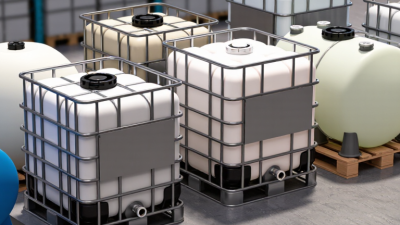
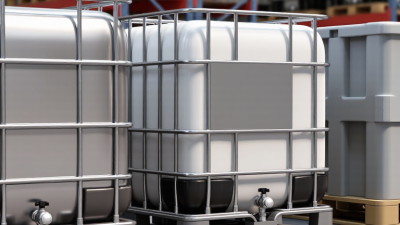
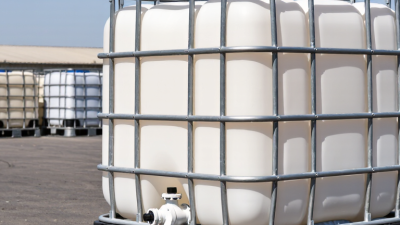
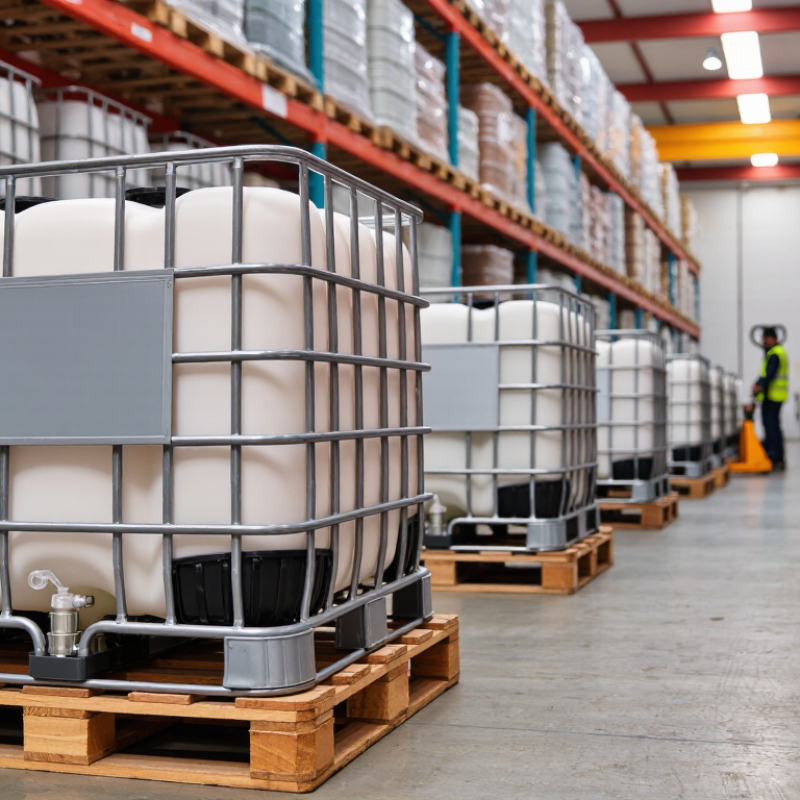
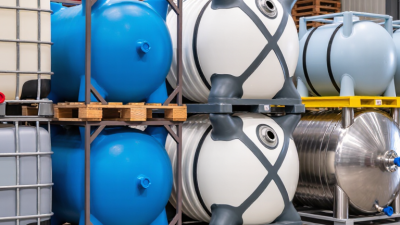
An intermediate bulk container (IBC) is not one universal package; its design should match the product, route, and handling equipment. Rigid composite IBCs pair a molded plastic bottle with a protective metal cage and pallet. Stainless-steel models suit some products needing durable, cleanable contact surfaces, while flexible IBCs fold flat when empty. Uses include process water, cleaning solutions, and food ingredients when the container has suitable certification and cleaning records.
Check the fit. Compatibility depends on the exact resin, temperature, concentration, and contact time, not just a broad product label. Before filling, inspect the bottle for clouding or cracks, the cage for bent welds, and the valve for leaks. Confirm pallet dimensions and forklift entry too; a container that fits a truck may still fail at a warehouse dock. Use supplier data and, where uncertainty remains, a small compatibility trial.
Labels can be vague. An old container may look clean yet retain odors or residues, so reuse decisions deserve care. A visual check is useful, but it can miss hidden damage; it is an imperfect safeguard, not proof of suitability.
Match Drum Capacity and Design to Your Product
An IBC’s nominal volume is only a starting point. Match capacity to the product’s density, viscosity, and expected draw rate. Then check filled weight against forklift, floor, and rack limits. A 1,000-liter unit may reduce trips, but it can be a poor fit for a dense liquid or a narrow filling bay. UNCTAD’s 2024 Review of Maritime Transport reports that over 80% of world merchandise trade by volume travels by sea. Long handling chains make secure closures and a sturdy cage practical priorities.
Tip: Test the full route, not just the filling line. Check pallet dimensions, outlet clearance, and how the product drains. For sensitive contents, confirm liner and gasket compatibility with the supplier’s technical data. A small sample test can reveal swelling, staining, or slow discharge. Not always obvious.
The U.S. EPA’s Advancing Sustainable Materials Management: 2018 Fact Sheet reported 82.2 million tons of containers and packaging in U.S. municipal waste. That figure is not specific to IBCs, but it is a useful reminder to avoid choosing excess capacity without a clear handling benefit. I would not treat one size as a universal answer; real fill levels, storage space, and delivery patterns vary.
Check Material Compatibility and Regulatory Requirements
An IBC drum can look suitable and still react poorly to its contents. Check the product’s safety data sheet, then compare its ingredients with the container body, inner bottle, gasket, and valve materials. Compatibility depends on concentration, temperature, and storage time. A liquid that is harmless at room temperature may soften a seal in a hot warehouse. Small details matter.
Tip: Ask the supplier for a written compatibility assessment covering the exact formulation and expected storage conditions. Confirm whether the container is single-use or intended for reuse. Do not rely on a broad label such as “chemical resistant.” It may not describe your specific product. Testing a sample under realistic conditions can reveal swelling, discoloration, leaks, or unwanted odor.
Regulatory checks vary by destination and intended use. Verify required documentation, transport markings, and applicable packaging approvals before ordering; requirements may differ for food-contact materials and regulated dangerous goods. Ask for current certificates and confirm that they match the model and production site you plan to buy. Keep copies with purchasing records. A checklist can still miss a local rule, so confirm details with the relevant authority or a qualified compliance specialist. IBC details are easy to overlook.
7 IBC Drum Buying Tips for Global Buyers: Compare Nominal Capacity
Commonly marketed IBC capacities of 275 and 330 US gallons convert to approximately 1,040.9 and 1,249.2 liters. Capacity alone does not confirm suitability: check the container material against the contents and verify applicable regulatory approvals for the intended product, route, and market.
Evaluate Supplier Quality, Testing, and Documentation
A low purchase price means little if an IBC arrives with a warped pallet, weak valve seal, or unreadable label. Ask suppliers for the design specification, material grade, production-lot traceability, and written inspection records. Request test reports tied to the exact model and capacity—not a generic certificate. Check that reports identify the testing laboratory, date, methods, and acceptance criteria. Small details matter. A photo of a pressure test is not a substitute for a signed report.
For shipments subject to UN dangerous-goods packaging rules, the UN Recommendations on the Transport of Dangerous Goods, Model Regulations, 23rd revised edition, section 6.5.4.4, sets periodic IBC inspection intervals of no more than 2.5 years. Confirm which inspections and tests apply to the IBC type and its intended use. Ask for the latest records, repair history, and clear guidance on when the next inspection is due. During a sample check, inspect the cage welds, outlet valve, gasket, and base for damage or residue. A document can look complete while missing the batch number. That is easy to overlook, and worth questioning before purchase.
Plan Shipping, Handling, Storage, and Reuse
7 IBC Drum Buying Tips for Global Buyers
Plan Shipping, Handling, Storage, and Reuse
An IBC drum can fit a large volume into a compact footprint, but its dimensions still affect every shipment. Check the filled weight, pallet size, and stacking limits against your carrier’s equipment before ordering. Confirm that forklifts can access the lifting points and that the route has enough clearance. A drum that fits a warehouse aisle may not fit through a delivery doorway. Small details matter.
Tips: Ask for the drum’s tare weight, rated capacity, and handling instructions. Compare those figures with your loading equipment and storage racks. For long journeys, consider how exposure to sun, rain, or temperature changes could affect the packaging. In practice, return freight is easy to underestimate. Not always.
Before reuse, inspect the cage, pallet, valve, and seals for damage or residue. A clean exterior does not prove the container is suitable for another fill. Match the previous contents and cleaning history to the next intended use, and follow the supplier’s guidance and applicable requirements. Keep empty drums upright in a dry, stable area, with valves protected from knocks. Reuse can reduce waste, but it also adds inspection and handling steps. I would not assume every drum has the same service life; records and condition checks help make that decision more reliable.
| Buying Tip | What to Check | Practical Guidance | Common Risk to Avoid |
|---|---|---|---|
| 1. Confirm capacity and dimensions | Nominal volume, filled weight, overall height, footprint, and outlet clearance. | Many composite IBCs are sold in nominal 1,000 L or 275 US gal sizes, but dimensions and usable capacity vary by model. Verify the supplier’s drawing against your pallet positions, doorways, racks, and vehicle limits. | Assuming every IBC has the same footprint or that nominal capacity equals the volume you can safely fill. |
| 2. Match materials to the contents | Inner-container material, gasket and valve materials, product temperature, and chemical compatibility. | Request written compatibility information for the exact substance and operating conditions. For food, pharmaceutical, or other regulated uses, confirm the required product-contact documentation for the destination market. | Choosing an IBC based only on container material while overlooking seals, valves, temperature, or regulatory requirements. |
| 3. Plan transport and compliance | Product classification, route, transport mode, packaging approval, and shipping documents. | For dangerous goods, check the applicable UN packaging approval and transport rules for each mode and destination. Confirm that the IBC’s marking, permitted use, and inspection status meet the shipment requirements. | Assuming one approval or marking automatically satisfies every country, carrier, or transport mode. |
| 4. Check lifting and handling requirements | Forklift access, pallet condition, lifting instructions, and handling-equipment capacity. | Use the manufacturer’s handling instructions and lift only from designated points. Check that the forklift and attachments are rated for the IBC’s gross filled weight, not just its empty weight. | Lifting a filled IBC from an unsuitable side or using equipment with insufficient capacity. |
| 5. Verify stacking and storage limits | Permitted stacking configuration, maximum load, storage surface, and exposure conditions. | Follow the specific IBC’s label and manufacturer instructions for stacking. Store on a stable, level surface and consider temperature, sunlight, weather exposure, and any site-specific containment requirements. | Applying a general stacking rule to every model or placing a loaded IBC on an uneven or unsuitable surface. |
| 6. Inspect condition and service history | Tank, frame, pallet, valve, cap, labels, markings, and inspection records. | For new or used units, request clear condition details and applicable inspection documentation. Check for cracks, deformation, corrosion, leaks, damaged closures, and evidence of prior contents. | Buying a used IBC without knowing its prior contents, repair history, or suitability for the intended service. |
| 7. Plan reuse, cleaning, and end of life | Cleaning method, previous-product compatibility, return logistics, and local waste rules. | Reuse only when the container’s history, condition, and material are suitable for the next product. Establish a cleaning and inspection process; manage residues and disposal according to applicable local requirements. | Assuming an emptied IBC is clean, safe for a different product, or automatically acceptable for reuse. |
Get in touch with us,
We will contact you shortly!
What is the difference between Unline(Non-Epoxy Coated) or Lining(Epoxy Coated) Metal Drum?

Unline drums with internally bare metal surface is more susceptible to corrosion and rust while Lining drums are internally coated with Phenolic Epoxy Coating to provide a non-reactive barrier between the drum surface and your product, less risk of contamination. Note: Our Unline drums are coated with an anti-rust agent after washing to reduce risk of rust.
What are Unline(Non-Epoxy Coated) and Lining(Epoxy Coated) drums compatible with?

In Singapore, Recon Unline Drums are usually more costly than Recon Lining Drums. Hence, we recommend Recon Unline Drums to fill aromatics like Thinner, Xylene, Toulene& other solvents like Hexane, BA, CA, EA, MC, White spirit, etc.
We recommend the lower-priced Recon Lining Drums to fill hydrocarbons like IPA, Methanol, Ethanoland oil-based products like diesel, petrol, lubricants, engine, hydraulic, base, transmission fluid, additives, waste oil, etc.;
What is the difference between Grade A and Grade B Metal Drum ?

Grading of used drums are usually based on physical conditions like rustiness, deformities and residual contents. Grade A drums are totally free from internal rust, serious dents and are easy to clean. Grade B drums have different degrees of rust internally and aesthetically inferior compared to Grade A drums.
What content is suitable to fill in a Recon Grade A or Grade B Drum?

Recon Grade A drum is suitable to fill more costly virgin grade products while Recon Grade B drum is more suitable for recycled or waste products.
What is the difference between Open Top and Close Top Drums and their usage?

Closed top drums are for water and other liquid products. Open Top drums can be used for liquid too but are primarily for more viscous products. The Open Top (or open head with a lid) allows you to get in and out of the drum with your product easier.
What type of content are Metal or Plastic Drums suitable for?

Metal drums offer additional protection when dealing with potentially flammable substances. They provide superior fire resistance, impact protection, and longevity for storing class 1, 2, and 3 volatile chemicals.
Plastic HDPE Drums are suitable for corrosive chemicals like acids, alkaline and also water-based products.
Will there be any contamination in the reconditioned metal, plastic drums or IBC tanks?

All our reconditioned containers (metal/plastic drums, carboys, IBC tanks) are washed thoroughly with specially formulated cleaning agent, rinsed with clean water, dried, and tested for possible leakages during the recondition process. Stringent quality inspection is being conducted 100% on every reconditioned product before they are qualified for sale & delivery.
What is the drum gauge(thickness) and weight for reconditioned metal drums?

Reconditioned metal drums gauge can be 0.9mm to 1.0mm all round. Their weight can vary from 16 to 18kg.
Do you sell New Packaging Products too?

Yes, we are also a distributor for new pallets, metal drums, plastic drums, carboys, IBCs and stainless-steel tanks.
What additional services do you provide apart from selling reconditioned and new containers.?

We are an NEA licensed toxic industrial waste collector, who can collect and dispose of used toxic waste containers in Singapore.
Do you offer labelling and silkscreen on the containers ?

We can provide labelling and silk-screening on the containers.
Are you able to ship overseas ?

Yes, we can arrange export our products to any country in the world.
Leading the Way
to Carbon Neutrality