2026 Best IBC Water Tank for Global Buyers?

Choosing the 2026 best ibc water tank requires more than comparing capacity and price. Global buyers must examine water safety, transport conditions, installation practices, and after-sales support. No single tank suits every market.

The UN World Water Development Report 2024 states that agriculture accounts for about 72% of global freshwater withdrawals. This pressure increases the need for dependable storage near farms, factories, and remote communities. The WHO Guidelines for Drinking-water Quality also emphasize materials, hygiene, and contamination control. Therefore, a suitable ibc water tank should use verified food-grade components, secure closures, smooth internal surfaces, and fittings compatible with local systems.

Market demand is also linked to unequal water access. The WHO and UNICEF Joint Monitoring Programme reported that 2.2 billion people lacked safely managed drinking water in 2022. This figure makes practical design important. A 1,000-liter tank may serve a small workshop, while larger systems can support agriculture or emergency reserves. Capacity alone is not enough. Buyers should check UV resistance, frame strength, outlet design, pallet quality, cleaning access, and certification records. ISO 9001 production controls can add confidence, but certification does not replace independent inspection.

Real purchasing decisions are rarely perfect. A cheaper tank may create higher replacement costs under intense sunlight. A heavy steel cage may improve protection but increase freight expenses. This guide compares leading options using technical evidence, field-use considerations, and supplier reliability. Some recommendations may require further verification, especially where regional drinking-water rules differ. Good storage begins with realistic conditions, not attractive specifications.
2026 Best IBC Water Tank for Global Buyers?

What Is an IBC Water Tank and How Does It Work?

What Is an IBC Water Tank and How Does It Work?

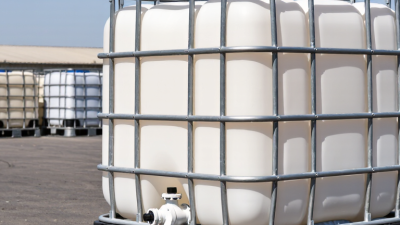
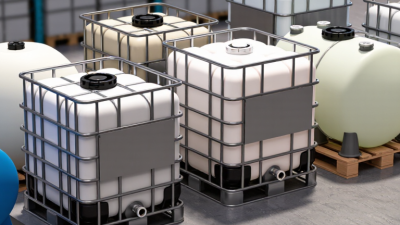
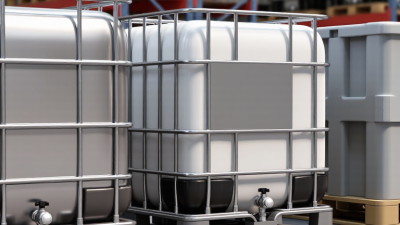
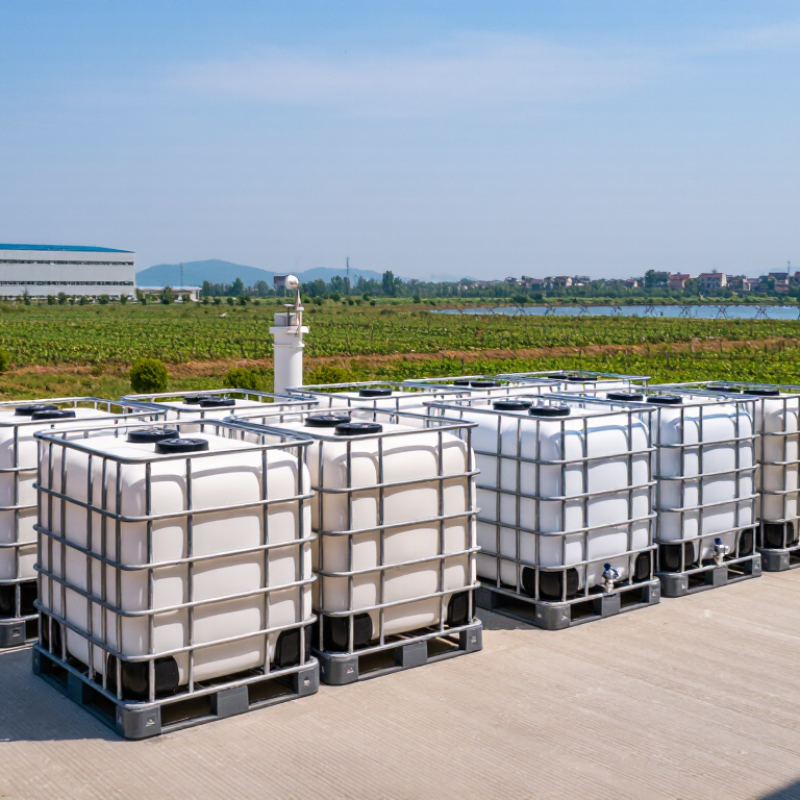
An IBC water tank is a reusable container designed to store and move large water volumes. Many models hold about 1,000 liters, although capacities vary. The tank usually has a rigid polyethylene inner container, a galvanized steel cage, and a pallet base. A top cap allows filling, while a bottom valve controls dispensing. When the valve opens, gravity moves water through the outlet. No pump is required for basic transfer.

In practical use, the cage protects the inner tank from impacts during handling. The pallet base also allows movement with a forklift or pallet truck. Before storing drinking water, check the container’s material documentation and previous-use history. A tank may look clean but still retain odors or chemical residue. Inspect the valve, cap seal, cage welds, and lower corners. Small cracks can grow after repeated temperature changes. Tank performance also depends on placement; an uneven surface may stress the outlet and cause leaks. I have found that cleaning is often underestimated, especially around the valve threads.

Tips: Choose a tank approved for the intended water type. Keep it away from direct sunlight when possible. Rinse it with clean water before filling. Do not drag it across concrete. Leave space for thermal expansion. Inspect the tank after every delivery, even when it appears undamaged. A simple inspection record can prevent a costly mistake.

Key Specifications Global Buyers Should Compare in 2026

2026 Best IBC Water Tank for Global Buyers?

Global buyers should compare specifications before comparing prices. Capacity matters, but usable volume matters more. A 1,000-liter tank may require extra headspace for safe handling and temperature changes. Check the external dimensions carefully. Door width, pallet space, and container height can change shipping costs.

Material selection also deserves close attention. Food-grade inner liners should have clear material details and traceable production records. Compare wall thickness, UV resistance, temperature range, and chemical compatibility. A strong galvanized or coated frame should resist twisting during transport. Inspect the outlet valve, gasket, and cap design. Small leaks often begin at these points. Ask for test reports, production dates, and warranty terms. Certifications are useful, but buyers should verify their scope and issuing body. They are not automatic proof of quality.

Tips: Request a sample unit or detailed inspection photos. Measure the tank with the pallet attached. Confirm the valve size before ordering accessories. Review stacking limits with your logistics team. A reusable tank can reduce waste, but only when cleaning and maintenance are realistic locally. This point is easy to underestimate. Even a careful checklist may miss temperature exposure during long-distance transport, so include storage conditions in the final comparison.

2026 Best IBC Water Tank for Global Buyers? - Key Specifications Global Buyers Should Compare in 2026

Comparison Dimension 600 L IBC 1,000 L IBC 1,250 L IBC Why Global Buyers Should Compare It
Nominal liquid capacity 600 L 1,000 L 1,250 L Select capacity according to water demand, transport limits and available storage space.
Typical external footprint Approx. 1,200 × 800 mm Approx. 1,200 × 1,000 mm Approx. 1,200 × 1,000 mm A standard pallet footprint can improve warehouse utilization and container loading efficiency.
Typical overall height Approx. 1,000–1,150 mm Approx. 1,150–1,200 mm Approx. 1,300–1,500 mm Confirm height against doors, racks, filling equipment and transport clearance.
Typical empty weight Approx. 35–45 kg Approx. fifty-five–65 kg Approx. 65–80 kg Tare weight affects freight cost, manual handling and total loaded weight.
Inner container material HDPE HDPE HDPE High-density polyethylene is widely used for water storage because it is corrosion-resistant and suitable for outdoor applications when properly stabilized.
Outer protection Tubular steel or galvanized frame Tubular steel or galvanized frame Tubular steel or galvanized frame The frame and pallet protect the plastic tank during handling, stacking and transport.
Top filling opening Approx. 150–225 mm Approx. 150–225 mm Approx. 150–225 mm A larger opening simplifies cleaning, inspection and connection to filling equipment.
Bottom outlet size Commonly 50 or 75 mm Commonly 50 or 75 mm Commonly 50 or 75 mm Match the valve, gasket and fitting material to the receiving system and local connection standard.
Water-contact suitability Specify potable-water grade where required Specify potable-water grade where required Specify potable-water grade where required Food-contact or drinking-water compliance depends on the target market and must be supported by valid documentation.
UV protection Recommended for outdoor use Recommended for outdoor use Recommended for outdoor use UV-stabilized resin and shading can help reduce outdoor aging; confirm the supplier’s exposure rating.
Operating temperature Typically about −20 to +60°C Typically about −20 to +60°C Typically about −20 to +60°C Actual limits vary with resin, valve, gasket and filling conditions; never fill with hot liquid without confirmation.
Stacking and storage Use only within rated load limits Use only within rated load limits Use only within rated load limits Stacking height depends on design, liquid density, temperature, floor condition and certification.
Transport compliance Check destination rules Check destination rules Check destination rules UN certification is relevant to regulated dangerous-goods transport, while water-only use may follow different requirements.
Best-fit application Compact storage, smaller sites and limited access General-purpose water storage and logistics Higher volume where floor space is available The best configuration balances usable volume, handling safety, delivered cost and local compliance.

Note: Dimensions and weights are typical industry ranges for comparison only. Actual specifications vary by tank geometry, frame design, valve assembly, pallet type and certification. Buyers should request a current technical drawing, material declaration, test report and applicable compliance documents before purchase.

How to Choose the Best IBC Tank for Water Storage

How to Choose the Best IBC Tank for Water Storage

Choosing an IBC tank for water storage starts with the water’s intended use. Drinking water needs a clean, food-contact-grade inner container with documented material information. Avoid tanks with unknown previous contents. A low price can hide contamination risks.

Inspect the tank before purchase. The inner bottle should show no deep scratches, swelling, stains, or chemical odor. Check the cage for bent bars and rust. Examine the bottom valve, gasket, cap, and outlet thread. These small parts often cause leaks. Choose a UV-resistant container if it will stand outdoors. Sunlight can weaken plastic over time. A shaded location still works better.

Capacity matters, but so does handling. A full 1,000-liter tank can weigh over one metric ton. Confirm that the floor, pallet, forklift, and delivery route can support it. Measure doors and storage spaces before ordering. Global buyers should also request clear dimensions, pallet details, inspection records, and export packaging information. Ask whether replacement valves and seals are available locally. That detail is easy to overlook.

Do not assume a recycled tank is automatically unsafe. Its history and cleaning records matter more than appearance. Still, records may be incomplete. That is where careful judgment is needed. For potable water, request test documentation and follow local water-storage requirements. Clean the tank with a suitable method before filling it. Leave room for temperature expansion. A perfect tank does not fix poor installation.

Material, Safety, Certification, and Compliance Requirements

2026 Best IBC Water Tank for Global Buyers?

Material choice affects water quality, service life, and compliance. Most reusable IBC tanks use food-grade high-density polyethylene with a galvanized steel cage. The inner bottle should resist ultraviolet exposure, stress cracking, and repeated filling cycles. For potable water, request migration testing and documented material traceability. “Food grade” alone is too vague.

Safety documentation must match the actual tank design. Check capacity, valve type, pressure limits, stacking strength, and cleaning instructions. For international transport, review applicable UN Model Regulations, ADR, IMDG Code, or local rules. ISO 16103 can support packaging performance evaluation for dangerous goods, but it does not automatically certify every water tank. A certificate is not proof of safe handling. Buyers should verify test dates, laboratory scope, and production-batch records. The OECD Global Plastics Outlook reported 353 million tonnes of plastic waste in 2019, with only 9% recycled. This strengthens the case for durable, repairable tanks and controlled end-of-life processing.

Tips: Ask for a technical data sheet, food-contact declaration, leak-test record, and valve material specification. Inspect welds, gasket surfaces, and cage distortion before acceptance. Request independent laboratory evidence when water will be consumed. Reuse is valuable, but poor cleaning can create unseen contamination. Procurement teams should not treat recycled content as automatically safer; the source and compliance evidence matter. Minor gaps in documentation are warning signs, not administrative details.

2026 Best IBC Water Tank for Global Buyers

Material, safety, certification, and compliance reference for a nominal 1,000-liter IBC water tank.

Key Buyer Requirements

  • Material: Food-contact applications generally require virgin, UV-stabilized HDPE for the inner bottle, with a corrosion-resistant metal cage and a compatible pallet.
  • Safety: Verify leak testing, valve protection, stacking strength, lifting points, grounding provisions where applicable, and safe handling instructions.
  • Certification: For regulated dangerous goods, confirm the correct UN marking and a valid test certificate for the specific IBC design and capacity.
  • Compliance: Check destination-country rules for drinking-water contact, chemical compatibility, labeling, transport, recycling, and documentation.

Reference values: 1,000 liters equals 264.17 U.S. gallons and 35.315 cubic feet. At approximately 20°C, fresh water has a density of about 0.9982 kg/L, giving a water mass of approximately 998.2 kg for 1,000 liters. Actual tank dimensions, tare weight, and allowable load depend on the certified design.

Supplier Evaluation, Pricing, Delivery, and Long-Term Value

Choosing the 2026 best IBC water tank starts with supplier evaluation, not attractive product photos. Experienced buyers should check tank material, UV resistance, valve quality, pallet dimensions, and cleaning procedures. For potable water, request current material declarations, batch records, and test reports before placing a large order. Ask for a sample. Small details matter.

Pricing should include more than the factory quotation. Compare container loading efficiency, packaging, inspection fees, insurance, duties, and inland delivery. A low unit price can become expensive after damaged cages or repeated replacements. Request a clear quotation with currency, payment terms, minimum order quantity, and validity period. Delivery promises also need evidence. Confirm production capacity, port options, transit estimates, and a written plan for delays.

Long-term value appears during handling and reuse. A reliable tank should resist cracking, maintain a stable outlet connection, and allow practical cleaning between cycles. Ask whether replacement valves, gaskets, and cage parts remain available. I have seen buyers focus heavily on price and regret ignoring spare-part access. The cheapest option sometimes wins the spreadsheet. Not the warehouse.

Supplier communication deserves a real test. Send technical questions and measure response accuracy, not just speed. Request pre-shipment photos, inspection records, and packaging details. Even strong suppliers can miss a specification when instructions are vague. That is uncomfortable, but worth admitting. A careful buyer leaves room for inspection, revised forecasts, and occasional mistakes before scaling global orders.

Get in touch with us,
We will contact you shortly!

Get in touch with us by filling up the enquiry form. We will contact you shortly!

    What is the difference between Unline(Non-Epoxy Coated) or Lining(Epoxy Coated) Metal Drum?

    What are Unline(Non-Epoxy Coated) and Lining(Epoxy Coated) drums compatible with?

    What is the difference between Grade A and Grade B Metal Drum ?

    What content is suitable to fill in a Recon Grade A or Grade B Drum?

    What is the difference between Open Top and Close Top Drums and their usage?

    What type of content are Metal or Plastic Drums suitable for?

    Will there be any contamination in the reconditioned metal, plastic drums or IBC tanks?

    What is the drum gauge(thickness) and weight for reconditioned metal drums?

    Do you sell New Packaging Products too?

    What additional services do you provide apart from selling reconditioned and new containers.?

    Do you offer labelling and silkscreen on the containers ?

    Are you able to ship overseas ?

    Leading the Way
    to Carbon Neutrality

    Drumming sustainability into every aspect of our operations, we strive to create a greener and more conscious future for generations to come.
    Contact Us
    WhatsApp
    Email
    Join Our Newsletter

    Sign up for our newsletter for exclusive discounts and latest news of new launches!

      Logo Logo Logo Logo Logo
      Scroll to Top