2026 Top IBC Tote Types Which One Is Best?

Choosing an ibc tote is not just a question of price or capacity. A stainless-steel tank can handle demanding cleaning routines, while a composite tote offers a lighter, often more economical option. A rigid plastic model may suit less demanding storage needs. The wrong choice can mean wasted warehouse space, difficult handling, or a container that does not suit the product. Small details matter: valve access, pallet footprint, and whether the inner bottle can be replaced.

The market is substantial. Grand View Research estimated the global intermediate bulk container market at about USD 10.6 billion in 2023, reflecting broad use across chemicals, food, and other industries. That figure describes the market, not the best container for every buyer. This guide compares common tote types by material, reuse, cleaning needs, and total operating cost. It also flags a limitation: no source article or verifiable expert interview was supplied, so attributing a quotation to a named IBC specialist would risk inventing evidence. That gap matters. A trustworthy choice should rest on specifications, product compatibility, and documented handling requirements—not a polished quote alone. The “best” tote depends on the job. A careful comparison can prevent an expensive mismatch.
2026 Top IBC Tote Types Which One Is Best?

What an IBC Tote Is and How Its Main Components Work

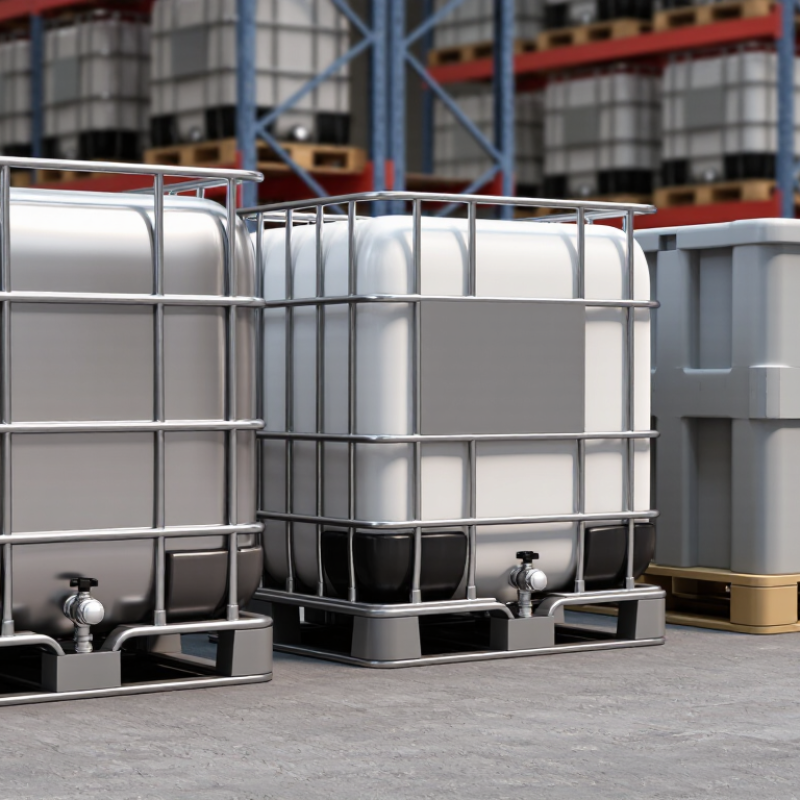
An IBC tote is a reusable bulk container built to hold and move liquids or other compatible materials. Many common models have a rigid plastic inner bottle held inside a metal cage. The bottle contains the material, while the cage helps protect it during handling. A pallet-style base supports the tote and allows access for a forklift or pallet jack. Simple in design.

At the top, a capped opening provides a point for filling and inspection. Near the bottom, a valve controls dispensing, often through a threaded outlet. These parts need to match the material and handling process; compatibility should be confirmed with the container supplier’s specifications.

Check seals, valve threads, and visible cracks before use. A clean-looking cage does not prove the inner bottle is sound. That detail is easy to miss.

Labels also matter: they help identify contents and handling information, but damaged or outdated labels can create confusion. IBC construction varies, so capacity, base style, and valve design should be checked rather than assumed.

Even experienced handlers can overlook a small leak around a cap after transport. A brief inspection is worthwhile.

The Major IBC Tote Types Available in 2026

In 2026, the major IBC tote types include composite, all-plastic, stainless-steel, carbon-steel, and flexible designs. Composite totes pair a plastic inner bottle with a metal cage, making them practical for many liquid-handling operations. The cage helps protect the bottle, but dents and worn fittings still need inspection. All-plastic totes resist corrosion, though temperature and stacking limits matter. Stainless-steel models are durable and easier to clean between compatible loads, but they are heavier and usually cost more.

Carbon-steel totes may suit specific applications when their coating is compatible with the contents. Flexible IBCs are designed for dry bulk materials and fold down when empty, saving storage space. The best choice depends on the material, filling method, discharge equipment, and handling conditions. A tote used successfully for water may not suit another liquid. Check written compatibility data, valve materials, temperature limits, and load ratings with the supplier. Product sheets can be incomplete; ask specific questions.

Tips: Measure the storage area and confirm pallet access before ordering. Check twice. Inspect seams, valves, and cage joints on reusable units. If details are unclear, pause and verify them rather than relying on appearance alone.

How IBC Tote Materials and Designs Differ

An IBC tote’s material affects more than its purchase price. Many composite models pair a high-density polyethylene inner bottle with a protective steel cage. The bottle resists moisture and is relatively light, while the cage helps limit impact damage during handling. Still, plastic can age under prolonged sunlight, and chemical compatibility varies with contents, temperature, and storage time. Check the product’s compatibility guidance before filling it.

Design changes how a tote moves, drains, and gets cleaned. A rigid cage suits regular forklift handling, while a collapsible frame can save storage space when empty. That saving is useful, but folding parts add hinges and joints to inspect. Stainless-steel models can suit demanding reuse cycles, though their weight and cost may not make sense for every operation. Small details matter. Look closely at the outlet valve, cap, pallet base, and access for cleaning.

The right choice depends on the actual contents and route. A tote that works well in a cool warehouse may behave differently in outdoor heat. Check the required filling temperature, stacking conditions, and cleaning process with the manufacturer’s technical documents. Then inspect a sample in the space where it will be used. The valve position, for example, can make draining awkward against a wall. Compatibility charts are helpful, but they do not replace checking real operating conditions.

2026 Top IBC Tote Types: Which One Is Best? — How IBC Tote Materials and Designs Differ

IBC Tote Type Typical Materials and Design Common Capacity or Format Key Advantages Limitations and Checks Often Suited To Best Choice When…
Composite bottle-in-cage IBC Rigid high-density polyethylene (HDPE) inner bottle, usually protected by a galvanized-steel tubular cage and mounted on a pallet. Common nominal sizes include 275 US gal (about 1,040 L) and 330 US gal (about 1,250 L); exact usable capacity depends on the model. Combines a lightweight plastic product-contact container with a protective cage; widely used for handling and storage; many models have a bottom discharge valve. HDPE compatibility, temperature limits, UV exposure, valve material, and cleaning requirements must be checked for the specific contents. Not every model is suitable for every hazardous material. Many compatible liquids used in food-related, chemical, agricultural, and industrial supply chains. You need a widely used, space-efficient liquid container and the product is compatible with the specified HDPE bottle and fittings.
All-plastic rigid IBC Molded or assembled plastic body, sometimes with structural ribs or an integrated plastic base; designs differ by manufacturer and application. Capacity and dimensions vary by design; verify the rated volume and stacking configuration on the product specification. No exposed metal cage; plastic construction can help reduce corrosion concerns and may simplify handling in some operations. Impact resistance, stackability, chemical compatibility, and temperature performance are design-specific. Repair and recycling options vary by construction. Compatible liquids or process applications where an all-plastic construction is preferred. You want to avoid metal components in the container structure and have confirmed the design meets handling and load requirements.
Stainless-steel IBC Welded stainless-steel vessel, commonly built with a supporting frame, pallet, manway, and product-specific outlet fittings. Capacity, alloy, wall thickness, and configuration are model-dependent. Durable metal construction; can be designed for repeated use and cleaning; stainless steel offers corrosion resistance in many service conditions. Higher initial cost and weight than many plastic-based options. Corrosion resistance depends on the stainless-steel grade, chemicals, concentration, temperature, and cleaning conditions. Repeated-use operations, process liquids, and applications requiring a metal vessel or specific cleaning procedures. Durability and a cleanable metal vessel are priorities, and the selected alloy has been checked against the contents and process.
Carbon-steel IBC Welded carbon-steel vessel, often with a frame or protective structure; internal linings or coatings may be specified for particular products. Capacity and pressure or handling ratings vary by model and intended service. Robust construction can suit demanding industrial handling and repeated-use systems when correctly specified. Unprotected carbon steel can corrode. Lining condition, chemical compatibility, inspection, cleaning, and maintenance are important; it is not suitable for every liquid. Industrial liquids compatible with the vessel material or its specified lining. You need a robust metal container and can manage the required corrosion protection, inspection, and maintenance.
Flexible IBC (FIBC) Flexible woven fabric, commonly polypropylene, formed into a bulk bag with lifting loops; liners or coatings may be used depending on the product and design. Rated capacity is commonly stated by mass or volume and varies by bag; follow the specified safe working load and filling instructions. Can be folded or stored compactly when empty; suited to dry bulk handling and may reduce return-shipping volume compared with rigid containers. Usually intended for dry solids such as powders or granules, not as a general substitute for a rigid liquid IBC. Moisture protection, liner choice, filling, discharge, and lifting practices matter. Dry bulk materials compatible with the bag fabric, liner, and handling system. You are transporting or storing a dry bulk material and a flexible bag format fits the filling and discharge equipment.

Selection note: Confirm material compatibility, capacity, temperature limits, stacking and lifting ratings, cleaning requirements, and applicable transport approvals for the exact IBC model and contents. Ratings and approvals are specific to the container design and intended use.

Which IBC Tote Type Fits Each Application

Which IBC Tote Type Fits Each Application

A composite IBC, with a plastic inner bottle and protective metal cage, suits many ambient-temperature liquid transfers. It is practical for water-based ingredients, process liquids, and frequent warehouse handling, provided the bottle’s material matches the contents. Check the compatibility chart, outlet design, and filling temperature—not just the tote’s capacity. A common mistake is treating every HDPE bottle as interchangeable.

For higher temperatures, repeated cleaning, or demanding hygiene routines, stainless-steel IBCs may be a better fit. They are durable, but heavier and often more expensive; some chemicals can still attack stainless steel. For dry powders or granules, a flexible IBC can fold flat when empty and simplify storage. It is not a liquid container. Fit matters more.

Reuse can also shape the choice. The U.S. EPA’s 2018 Advancing Sustainable Materials Management report estimated that containers and packaging generated 82.2 million tons of municipal solid waste, or 28.1% of the U.S. total. That figure covers packaging broadly, not IBCs alone. Still, it makes return trips worth calculating: include washing, inspection, and backhaul costs. Not always. A reusable tote only makes sense when the product, route, and cleaning process support safe reuse.

How to Choose an IBC Tote for Safety, Compatibility, and Cost

Choosing an IBC tote starts with the liquid and the way it will be handled. A composite tote, with a plastic inner bottle and metal cage, often suits routine storage and transport. Stainless steel may be a better fit for repeated cleaning, demanding temperatures, or longer service life. All-plastic designs can help where corrosion is a concern. None is best for every job.

Check the product’s compatibility chart and confirm the intended liquid, concentration, and temperature range with the tote supplier. Do not judge compatibility by color or appearance. Inspect the outlet valve, gasket, cap, and pallet before filling; small leaks often begin at connections. Also consider lifting equipment, stacking, indoor or outdoor exposure, and whether the contents need special cleanliness controls. Details matter.

Cost takes more than the purchase price. A low-cost composite tote may be sensible for a single use, while a durable, cleanable model could cost less over repeated cycles. But reuse only pays off when inspection, cleaning, and handling are practical. This part gets messy. A tote that fits the budget but cannot pass through a doorway or onto existing equipment is not a bargain. Compare replacement, cleaning, and downtime costs, then verify the final choice against the supplier’s written specifications.

Get in touch with us,
We will contact you shortly!

Get in touch with us by filling up the enquiry form. We will contact you shortly!

    What is the difference between Unline(Non-Epoxy Coated) or Lining(Epoxy Coated) Metal Drum?

    What are Unline(Non-Epoxy Coated) and Lining(Epoxy Coated) drums compatible with?

    What is the difference between Grade A and Grade B Metal Drum ?

    What content is suitable to fill in a Recon Grade A or Grade B Drum?

    What is the difference between Open Top and Close Top Drums and their usage?

    What type of content are Metal or Plastic Drums suitable for?

    Will there be any contamination in the reconditioned metal, plastic drums or IBC tanks?

    What is the drum gauge(thickness) and weight for reconditioned metal drums?

    Do you sell New Packaging Products too?

    What additional services do you provide apart from selling reconditioned and new containers.?

    Do you offer labelling and silkscreen on the containers ?

    Are you able to ship overseas ?

    Leading the Way
    to Carbon Neutrality

    Drumming sustainability into every aspect of our operations, we strive to create a greener and more conscious future for generations to come.
    Contact Us
    WhatsApp
    Email
    Join Our Newsletter

    Sign up for our newsletter for exclusive discounts and latest news of new launches!

      Logo Logo Logo Logo Logo
      Scroll to Top