7 Best IBC Water Tanks for Global Buyers
Choosing the right ibc water tank is less about finding a famous brand and more about matching real operating conditions. Global buyers may need tanks for potable water, rainwater collection, agriculture, construction, or emergency storage. Each use changes the requirements. A food-grade liner, UV-resistant cage, secure pallet, and reliable bottom valve can matter more than a low purchase price. In a warehouse, a weak valve may leak across a concrete floor within minutes. That small failure can damage products, delay shipments, and create avoidable cleaning costs.
This guide examines seven strong IBC water tank options for international purchasing decisions. It considers capacity, material quality, outlet design, stackability, transport efficiency, certification, and supplier support. Regional standards and import requirements may differ, so buyers should verify documentation before ordering. Check whether the tank is new or reconditioned. Inspect the liner, cap, gasket, cage welds, and pallet condition. Ask for test records and clear product photographs. Do not rely on attractive specifications alone.
There is no universal best tank.
A ranking can miss practical details. For example, a lightweight design may reduce freight costs but offer less impact resistance. A heavy-duty tank may survive rough handling but increase delivery expenses. The final choice should reflect water quality, climate, storage duration, handling equipment, and local compliance needs. Careful comparison creates a safer and more dependable purchase, even when the cheapest option looks tempting.
What Is an IBC Water Tank and How Does It Work?
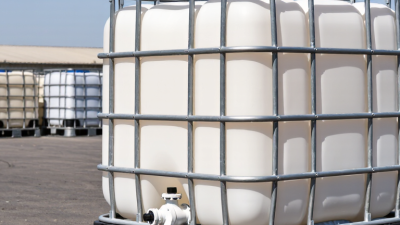
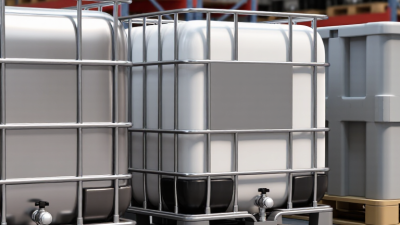
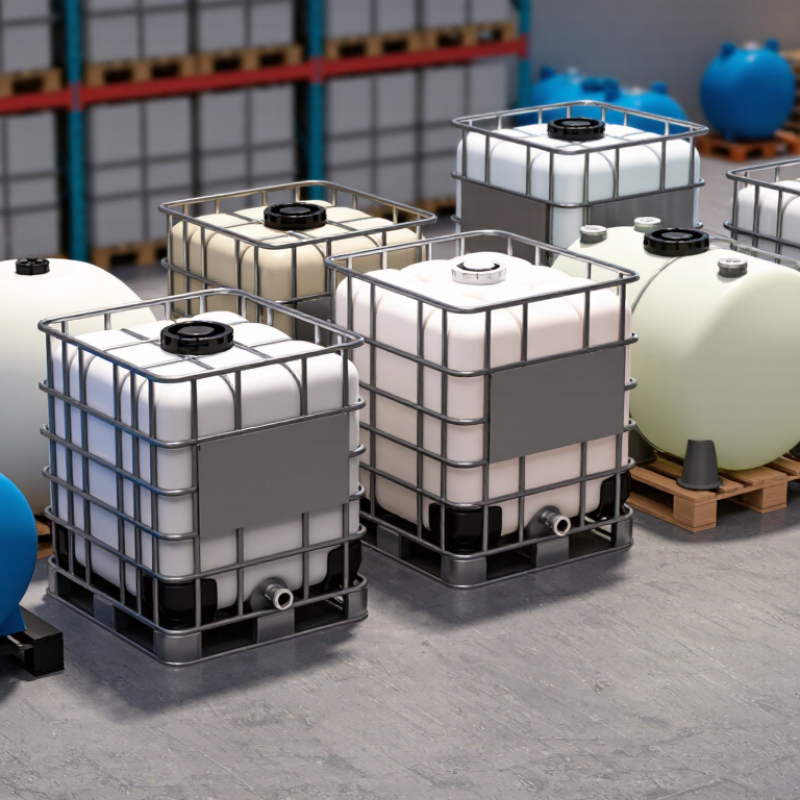
An IBC water tank is an Intermediate Bulk Container designed for repeated liquid storage and transport. Most models use a 600–1,250 litre inner tank, a steel or plastic pallet, and a protective cage. A top opening allows filling, while a bottom valve controls discharge. Water usually moves by gravity or through a pump. The container is not a pressure vessel.
Its simple design matters where water access is unreliable. The WHO and UNICEF Joint Monitoring Programme reported that 2.2 billion people lacked safely managed drinking water in 2022. The UN World Water Development Report 2024 also states that agriculture accounts for about 70% of global freshwater withdrawals. These figures explain why portable storage supports farms, construction sites, emergency services, and remote households.
Material choice requires care. A potable-water IBC should use certified food-contact plastic, a sealed lid, and a washable interior. Keep it shaded. Clean it before filling. A dark tank can become surprisingly warm under direct sunlight, encouraging biological growth. The WHO Guidelines for Drinking-water Quality recommend protecting stored water from contamination and excessive heat. In practice, buyers sometimes focus on capacity first. That is a mistake. Valve quality, UV exposure, previous contents, and cleaning records can matter more. Reuse is useful, but never assume every used IBC is safe for drinking water.
Key Factors for Comparing IBC Water Tanks
When comparing the seven best IBC water tanks for global buyers, start with the water’s intended use. Potable storage requires food-grade plastic, traceable testing, and a hygienic valve. Check the tank’s actual capacity, not only its advertised volume. A 1,000-liter tank may hold less after fittings and safe headspace. Small details matter. The inner container should resist sunlight, temperature changes, and repeated handling. For outdoor use, UV protection often matters more than a glossy finish.
Inspect the frame, pallet, and discharge outlet carefully. A galvanized steel cage can improve stability during transport and stacking. Confirm the tank’s dimensions before ordering, especially when containers or narrow doors are involved. Forklift access, lifting points, and drainage space affect daily handling. Buyers should request material documents, pressure information, cleaning guidance, and test records from the supplier. Requirements differ by country, so local authorities should verify drinking-water compliance. I have seen buyers focus on price and overlook replacement valves. That choice becomes expensive later.
Cleaning access is another practical comparison point. A wide opening makes inspection easier, while a secure cap reduces dust entry. Ask how often seals, hoses, and fittings need replacement. Tanks stored in hot regions may require shade and additional inspection. A larger tank can appear efficient, but it may be difficult to move safely when full. My own checklist is not perfect. Field conditions often reveal problems that product sheets miss. Clear service support, spare-part availability, and realistic delivery terms deserve equal attention.
Seven Top IBC Water Tanks for Global Buyers
7 Best IBC Water Tanks for Global Buyers
Seven Top IBC Water Tanks for Global Buyers should be judged by use, not appearance. According to the WHO and UNICEF Joint Monitoring Programme, 2.2 billion people lacked safely managed drinking water in 2022. That figure makes storage reliability more than a purchasing detail. The seven strongest options include food-grade HDPE tanks, UV-stabilized tanks, rainwater tanks, insulated tanks, chemical-resistant tanks, steel-caged tanks, and recycled-content tanks. Each serves a different operating condition.
Food-grade HDPE suits potable water when certification and traceability are documented. UV-stabilized walls help outdoor tanks resist sunlight, but they do not prevent algae without proper cleaning. Rainwater models need covered inlets and screened vents. Insulated versions reduce temperature swings, although they add weight and cost. Steel cages improve handling during transport. Recycled-content tanks may reduce material demand, yet buyers must verify hygiene records and previous contents. Check the outlet, gasket, pallet, and lifting points carefully.
Industry practice supports a simple inspection routine. Confirm the tank’s volume, wall thickness, valve standard, and compliance documents before shipment. The UN World Water Development Report 2024 also links water stress with rising supply risks. Still, capacity alone does not guarantee safe water. I would avoid treating every “food-grade” claim as proof; independent testing, batch records, and local approval matter. A few minutes of documentation review can prevent months of field problems. Иара
IBC Tank Materials, Capacities, and Certification Standards
Global buyers should compare IBC water tanks by material, capacity, and certification, not appearance alone.
Most units use high-density polyethylene bottles inside galvanized or painted steel frames. Polyethylene resists corrosion and supports potable-water storage when the formulation is approved. Common capacities include 600, 800, and 1,000 litres. A 1,000-litre tank suits larger sites, but its filled weight can exceed one metric tonne. Check the floor, forklift access, and delivery route.
Certification depends on the water’s intended use and destination.
For drinking water, request food-contact documentation, migration-test results, and a clear material declaration. Depending on the market, this may include FDA requirements, EU food-contact rules, or equivalent national standards. UN markings, such as UN 31HA1, relate to regulated transport performance, not automatic drinking-water approval. Ask for batch records, pressure-test results, valve specifications, and traceable inspection reports. Documents matter.
Tips: Confirm the inner bottle’s resin grade before ordering. Inspect the cap seal and outlet valve in person when possible. Ask whether the tank is new, reconditioned, or previously used. Reconditioned units can reduce costs, but their history may be incomplete. That is a risk worth discussing. Also verify ultraviolet protection for outdoor storage, because sunlight can weaken plastics over time. No checklist is perfect. A careful buyer still reviews local certification rules, actual water temperature, and cleaning procedures before shipment.
How to Choose, Use, and Maintain the Right IBC Tank
7 Best IBC Water Tanks for Global Buyers
How to Choose, Use, and Maintain the Right IBC Tank
Choosing an IBC water tank starts with the water, not the price. Confirm the required capacity, usually between 500 and 1,000 litres. Select a food-grade inner bottle when water will contact people or animals. Check the plastic type, wall condition, cage strength, valve size, and pallet material. Outdoor storage needs UV-resistant construction and a secure cover. For international shipping, measure the tank against container and warehouse access limits. A tank can look suitable online yet fail during handling. This is an easy mistake to make.
Tips: Inspect every tank before filling. Place it on level ground. Keep sharp debris away from the base. Do not exceed the marked fill line. Use compatible hoses and fittings. Label the contents clearly. For drinking water, follow local sanitation requirements and request suitable documentation from the supplier.
Use clean equipment when filling the tank, and avoid mixing different liquids without proper cleaning. Rinse the interior with an approved method, then drain it fully. Inspect the valve, gasket, cap, and cage regularly for cracks or leaks. Sunlight, freezing temperatures, and rough forklift handling can shorten service life. Store tanks away from chemicals and standing water. Replace damaged components promptly. In practice, maintenance schedules are often too optimistic; monthly checks may be better in harsh environments. Keep simple inspection records, including dates, findings, and repairs.