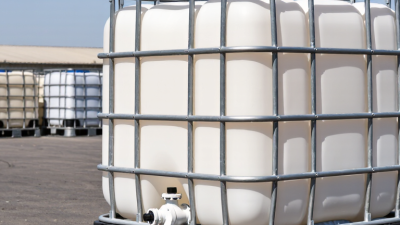
How to Choose the Right IBC Water Tank for Your Needs?

Choosing the right ibc water tank begins with understanding how water will be stored, moved, and used. A tank for drinking water needs different controls than one for irrigation, rainwater, or industrial washing. Capacity matters, but it is only one part of the decision. A 1,000-litre tank may look practical, yet its footprint can block a narrow doorway or overload a weak floor.

Peter H. Gleick, a leading water-resource expert, has observed, “Water is the most precious resource on the planet.” His words make tank selection feel less like shopping and more like responsible planning. Check the tank’s material, liner condition, cage strength, valve design, and certification for potable water. Food-grade HDPE is commonly selected for clean-water storage, but compatibility still depends on the actual application. Ask for technical documents, not only attractive product photos.

Think about daily use. Will a forklift move the tank? Will sunlight heat it beside a warehouse wall? Can workers inspect the outlet without climbing or spilling water? A shaded, level surface and suitable secondary containment can prevent expensive problems. Cleaning access also deserves attention.

There is no perfect choice. Even experienced buyers sometimes focus on volume and overlook transport, drainage, or replacement parts. That mistake is easy to make. A reliable supplier should explain testing, maintenance, delivery limits, and after-sales support clearly. Compare those details before comparing prices. The best ibc water tank is not simply the largest or cheapest model. It is the one that safely fits your water quality, space, handling method, and long-term routine.
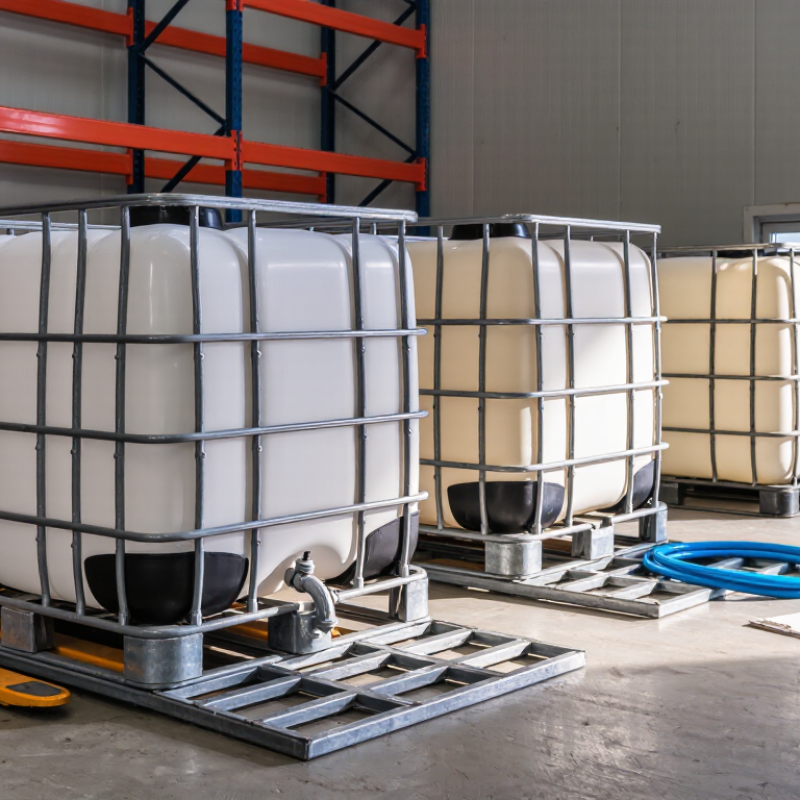
How to Choose the Right IBC Water Tank for Your Needs?

Define Your Water Storage Needs and Intended Use

How to Choose the Right IBC Water Tank for Your Needs?

Start with the water. Define how much you need each day, week, and season. A household backup may require different capacity than irrigation or construction use. Record peak demand, not only average consumption. A small mistake here can create frequent refilling and unnecessary handling.

Identify the intended use before comparing tank specifications. Water for drinking needs a container made from suitable, certified materials and protected from contamination. Irrigation water may have different requirements, especially when fertilizers or sediment are present.

Check chemical compatibility, temperature limits, outlet size, and expected flow rate. Do not assume clear water is automatically safe for every tank. It is not.

Measure the installation area carefully. Include space for valves, hoses, inspection, and safe access. A full tank can be extremely heavy, so the supporting surface must remain stable and level. Outdoor placement also requires attention to sunlight, freezing conditions, and storm exposure.

Practical planning often reveals overlooked details. For example, a tank may fit the footprint but block a gate or maintenance path. Recheck those measurements.

Ask a qualified supplier or water professional for documentation on material quality, testing, cleaning, and traceability. Keep basic inspection records, including leaks, discoloration, odors, and fitting damage. These details help confirm whether the selected tank remains suitable as your water needs change.

Compare IBC Tank Materials, Capacities, and Construction

How to Choose the Right IBC Water Tank for Your Needs?

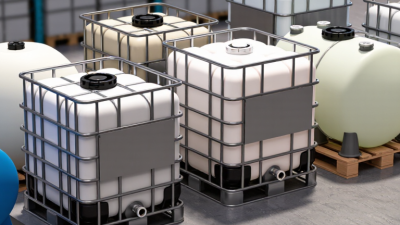
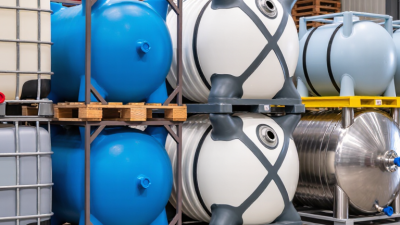
Material choice affects strength, hygiene, lifespan, and maintenance. HDPE tanks resist corrosion and remain relatively light. They suit rainwater, irrigation, and general utility storage. Stainless steel offers better heat tolerance and easier cleaning, but increases weight and purchase cost. Composite IBCs usually combine an HDPE inner bottle, a steel cage, and a pallet base. The design is practical, though damaged cages can reduce handling safety.

Capacity should match actual demand, not an optimistic estimate. Common IBC sizes include 1,000 and 1,250 litres.

The United Nations Recommendations on the Transport of Dangerous Goods, 23rd revised edition, allow rigid IBCs up to 3,000 litres under specified conditions. Larger volume is not automatically better. A full 1,000-litre tank adds roughly one metric tonne of water, before the container’s weight.

Construction details deserve close inspection.

Check wall thickness, UV protection, outlet fittings, pallet condition, and access openings. ASTM D1998-21 addresses rotationally molded polyethylene tanks, while ISO 21898 covers IBC design and testing principles.

These standards improve confidence, but they cannot replace site checks. I would not assume every “food-grade” claim means the same thing; request current material and cleanliness documentation. Uneven ground is another overlooked issue. A strong tank can still deform when its base is poorly supported.

Check Tank Safety, Compatibility, and Regulatory Requirements

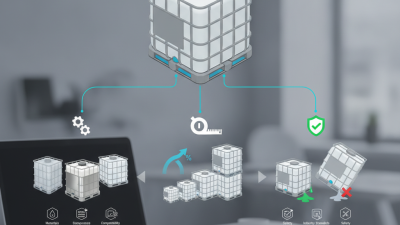
Choosing the right IBC water tank begins with safety, not capacity. A tank may look clean while hiding cracks, weakened seams, or a damaged outlet valve. Inspect the inner container, cage, pallet, lid, gasket, and fittings. Look for stains, swelling, and brittle plastic around the valve. A small defect can become a serious leak under pressure.

Compatibility matters when storing drinking water, rainwater, process water, or cleaning solutions. Confirm that the tank material, liner, gasket, and fittings suit the liquid and its temperature. For potable water, request documentation showing suitable food-contact materials. For chemical use, compare the liquid’s safety data with the supplier’s compatibility guidance. Do not guess.

Regulatory requirements also vary by location and application. Check local rules for potable-water contact, workplace storage, transport, labeling, secondary containment, and fire protection. Some sites require approved testing, inspection records, or spill-control capacity. Ask the supplier for material specifications, manufacturing records, and cleaning instructions. Keep these documents with the tank’s maintenance log.

A practical inspection should include a filled-water test on a stable, level surface. Check the valve after several hours, not just immediately. Reused tanks deserve extra caution because previous contents may have left residues or weakened the liner. A perfect checklist still cannot replace judgment. Rules differ locally. When uncertain, consult a qualified safety professional or the relevant authority before installation.

Evaluate Site Conditions, Transport, and Installation Needs

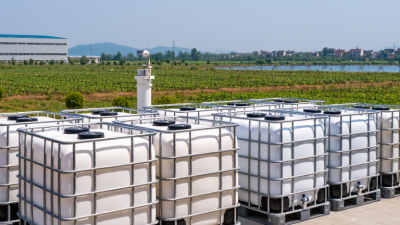
Choosing the right IBC water tank starts with the site, not the tank catalogue. Measure the available footprint, doorway width, ground slope, and overhead clearance. A full tank can weigh over one tonne, so the surface must be firm, level, and capable of supporting the load. Concrete usually works well, but compacted gravel may need professional assessment.

Inspect the route before transport. Check gates, turning areas, ramps, and narrow corners. A tank may fit on paper but fail at the final doorway. Keep lifting equipment, delivery vehicles, and workers in mind. I have seen installations delayed because a pallet could not pass through a simple gate. That mistake is avoidable, though measurements are sometimes incomplete.

Tips: Mark the tank’s proposed position with tape. Photograph the route and measure every tight section. Leave access around valves and fittings for inspection. During installation, protect the tank from sharp edges, direct impact, and unstable supports. Use compatible hoses and secure connections before filling. Confirm local water-use requirements with a qualified professional. Do not rush the first fill; check for movement, leaks, and uneven pressure. A small tilt may seem harmless, but it can strain fittings over time. Recheck the site after heavy rain or ground movement. Sometimes, the original plan needs changing.

How to Choose the Right IBC Water Tank for Your Needs?

Evaluate site conditions, transport requirements, water-use needs, and installation constraints before selecting an intermediate bulk container (IBC) water tank.

Evaluation Dimension Key Site or Usage Question Typical Requirement Recommended Tank Consideration Installation or Transport Impact
Required Capacity How much water must be stored between refills? Common IBC capacities are approximately 600–1,000 litres, with 1,000 litres widely used for general storage. Larger tanks require more floor space, greater lifting capacity, and stronger delivery planning.
Available Footprint Is the proposed location large enough for the tank, fittings, and maintenance access? A standard 1,000-litre IBC commonly occupies about 1.2 m × 1.0 m of floor area, although dimensions vary by design. Confirm that doorways, gates, corridors, and turning areas can accommodate the tank and handling equipment.
Ground Condition Can the ground support the filled tank without settlement or tilting? Water weighs approximately 1 kg per litre; a full 1,000-litre tank can weigh more than 1,000 kg including the container. Do not place a full tank on unstable soil, soft ground, damaged pallets, or uneven surfaces.
Surface Level Is the installation surface sufficiently level for stable support? Uneven support can create concentrated loads and increase the risk of frame deformation or instability. Use a survey or visual inspection before delivery; avoid improvised shims that can shift under load.
Water Quality Will the stored water be used for drinking, irrigation, cleaning, or industrial purposes? Water intended for drinking requires materials, fittings, cleaning procedures, and local compliance suitable for potable water. Keep the tank closed, protect it from contamination, and provide a hygienic filling and dispensing arrangement.
Temperature and Sunlight Will the tank be exposed to direct sunlight, freezing conditions, or high ambient temperatures? Outdoor exposure can encourage algae growth and accelerate material aging; freezing water can damage fittings and containers. Provide insulation, frost protection, or weather shielding when local conditions require it.
Transport Access Can the delivery vehicle and unloading equipment safely reach the installation point? Access depends on vehicle width, road condition, overhead clearance, turning radius, and unloading method. Plan for a pallet jack, forklift, tail lift, crane, or other suitable equipment according to the delivery site.
Handling and Lifting How will the tank be moved from the delivery point to the prepared base? IBC frames are generally designed for controlled handling using compatible lifting or pallet-handling equipment. Never lift a full tank from unsuitable points or move it by dragging, rolling, or pushing against fittings.
Access for Filling Can the tank be filled without stretching hoses or creating trip hazards? Filling connections should be reachable and protected from impact, contamination, and accidental disconnection. Allow sufficient hose length while avoiding sharp bends, unsupported connections, and obstructed walkways.
Outlet and Drainage Can water be discharged safely and completely from the outlet? Outlet position and valve size influence flow rate, drainage, and connection compatibility. Provide drainage or spill control to prevent pooling, erosion, slip hazards, and property damage.
Security and Protection Could unauthorized users, vehicles, animals, or falling objects damage the tank? Outdoor tanks may require protection against impact, tampering, contamination, and extreme weather. Keep the tank away from vehicle routes, heat sources, sharp objects, and chemical storage areas.
Cleaning and Inspection Can the tank be inspected, cleaned, and maintained throughout its service life? Stored water quality depends on regular inspection, hygienic handling, and removal of sediment or contamination. Leave working clearance around the tank and establish a routine inspection and cleaning schedule.
Local Regulations Are there local requirements for potable water, fire water, rainwater, structural loading, or installation permits? Requirements vary by location and intended use, especially for drinking water and commercial installations. Obtain professional advice where the tank is connected to a building system or used in a regulated application.
Future Expansion Could water demand increase or additional tanks be connected later? Multiple tanks can be arranged in parallel, but the base, pipework, and access must be planned in advance. Design pipework to prevent uneven filling, uncontrolled overflow, and excessive load on individual connections.

Practical selection rule: Choose the tank only after confirming capacity, intended water use, ground strength, access route, unloading method, connection compatibility, and local installation requirements.

Assess Maintenance, Lifespan, and Total Ownership Cost

Choosing an IBC water tank requires more than comparing purchase prices. The UN World Water Development Report 2024 states that agriculture uses about 70% of global freshwater withdrawals. In demanding environments, poor tank maintenance can quickly increase water loss, cleaning time, and replacement costs.

Inspect the tank every month for UV damage, cracks, distorted walls, valve wear, and sediment buildup. Check the cage after moving it with a forklift. Small damage becomes expensive. ISO 16103 provides guidance for testing recycled plastic packaging, while ISO 21898 addresses intermediate bulk container performance. These standards help, but they do not guarantee a fixed service life. Exposure, water chemistry, temperature, and handling matter more than a brochure estimate.

Look beyond the invoice. Calculate delivery, installation, cleaning, inspections, valve replacement, downtime, and disposal. A simple ownership model is: purchase cost plus annual maintenance, divided by usable service years. The U.S. Environmental Protection Agency’s 2023 Drinking Water Needs Survey estimated $625 billion in long-term drinking-water infrastructure needs, showing why preventive maintenance deserves serious budget attention. Still, I would not treat a seven-year lifespan as a promise. It may be shorter in strong sunlight or rough transport conditions. My own calculation could also miss labor costs, especially when cleaning requires site shutdowns. Choose a tank with accessible fittings, replaceable components, traceable inspection records, and a maintenance plan that workers can follow.

How to Choose the Right IBC Water Tank for Your Needs?

Ten-year total ownership cost comparison for a 1,000-liter water-service IBC tank. Values are planning benchmarks in USD and include acquisition, routine maintenance, and expected replacement cost.

HDPE Composite IBC
Typical service life: 5–10 years
Routine maintenance: about $75/year
Galvanized Steel IBC
Typical service life: 10–15 years
Routine maintenance: about $100/year
Stainless Steel IBC
Typical service life: 20+ years
Routine maintenance: about $50/year

HDPE composite tanks generally have the lowest initial cost but may require replacement within a ten-year period. Steel tanks usually cost more upfront, while stainless steel offers the longest expected service life and lower maintenance exposure. Actual ownership cost depends on water quality, UV exposure, cleaning frequency, installation conditions, and local replacement prices.

Get in touch with us,
We will contact you shortly!

Get in touch with us by filling up the enquiry form. We will contact you shortly!

    What is the difference between Unline(Non-Epoxy Coated) or Lining(Epoxy Coated) Metal Drum?

    What are Unline(Non-Epoxy Coated) and Lining(Epoxy Coated) drums compatible with?

    What is the difference between Grade A and Grade B Metal Drum ?

    What content is suitable to fill in a Recon Grade A or Grade B Drum?

    What is the difference between Open Top and Close Top Drums and their usage?

    What type of content are Metal or Plastic Drums suitable for?

    Will there be any contamination in the reconditioned metal, plastic drums or IBC tanks?

    What is the drum gauge(thickness) and weight for reconditioned metal drums?

    Do you sell New Packaging Products too?

    What additional services do you provide apart from selling reconditioned and new containers.?

    Do you offer labelling and silkscreen on the containers ?

    Are you able to ship overseas ?

    Leading the Way
    to Carbon Neutrality

    Drumming sustainability into every aspect of our operations, we strive to create a greener and more conscious future for generations to come.
    Contact Us
    WhatsApp
    Email
    Join Our Newsletter

    Sign up for our newsletter for exclusive discounts and latest news of new launches!

      Logo Logo Logo Logo Logo
      Scroll to Top