What is an IBC Drum and How to Choose the Right One?

In the world of liquid packaging, the IBC drum stands out. These Intermediate Bulk Containers are designed for the efficient transport and storage of liquids and granular materials. According to the latest industry report by Smith & Johnson Consultants, the global IBC market is projected to grow by 6.8% annually through 2027. This growth reflects the rising demand for safe and reusable packaging solutions.

Expert in industrial packaging, Dr. Emily Chen emphasizes the significance of choosing the right IBC drum. She states, "Selecting an IBC drum suited to your needs can prevent costly spills and contamination." Dr. Chen’s insight highlights the need for careful consideration when selecting IBC drums. There are various factors to account for, including materials, size, and compatibility with stored substances.

Choosing the right IBC drum can be a daunting task for many. Not every drum fits every application, and mistakes can be expensive. Misunderstanding specifications or using unsuitable containers could lead to operational challenges. Therefore, it is essential to gather accurate information before making a decision. This includes understanding specific requirements related to your industry.
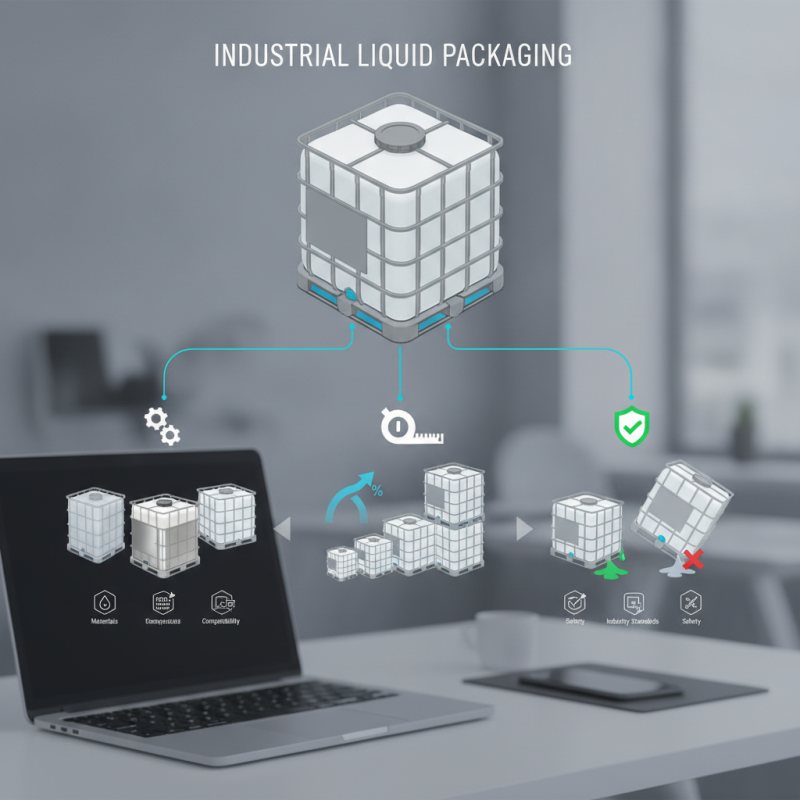
What is an IBC Drum and How to Choose the Right One?

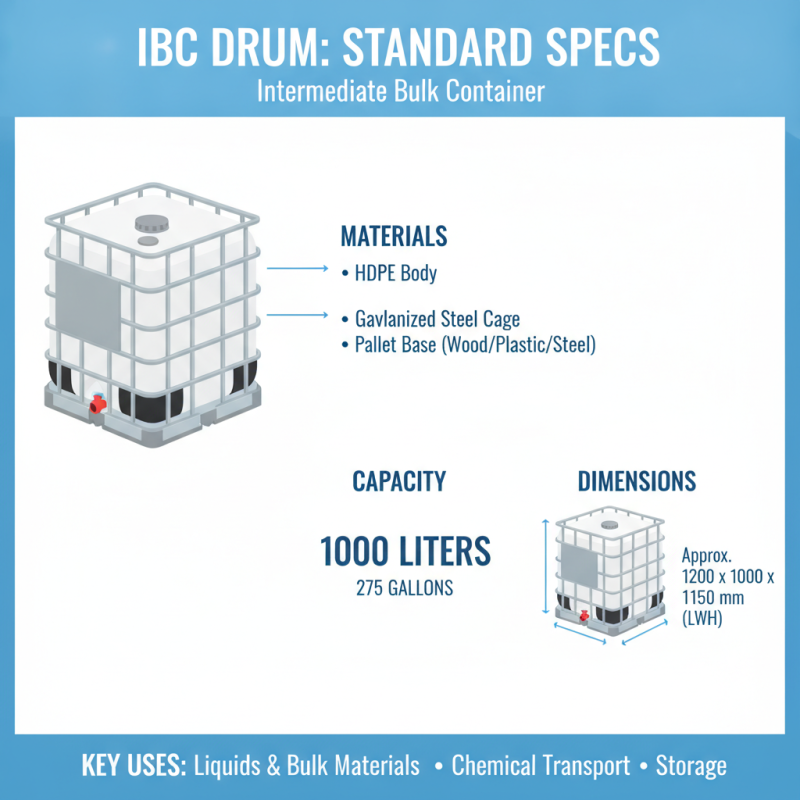
What is an IBC Drum and Its Standard Specifications?
What is an IBC Drum and How to Choose the Right One?

IBC drums, or Intermediate Bulk Containers, are essential in various industries. They are designed for the safe transportation and storage of liquids and bulk materials. Typically made from robust materials like high-density polyethylene, these containers are durable and resistant to chemical corrosion. Understanding standard specifications is crucial for selecting the right IBC drum for your needs.

Common sizes for IBC drums are 1000 liters, with some offering different capacities. Many feature a standard dimension of 1200mm x 1000mm. When selecting an IBC drum, consider factors like compatibility with the material, whether it’s food-grade or industrial-grade. It's also important to assess whether the drum has a weight capacity suitable for your contents.

It's easy to overlook the importance of proper maintenance. Inspect the drum regularly for leaks or structural damage. A well-maintained drum ensures safety and efficiency. Remember, not all IBC drums are created equal. Finding the right one may take time and research. Embrace the learning process; it’s essential for optimal performance in your operations.
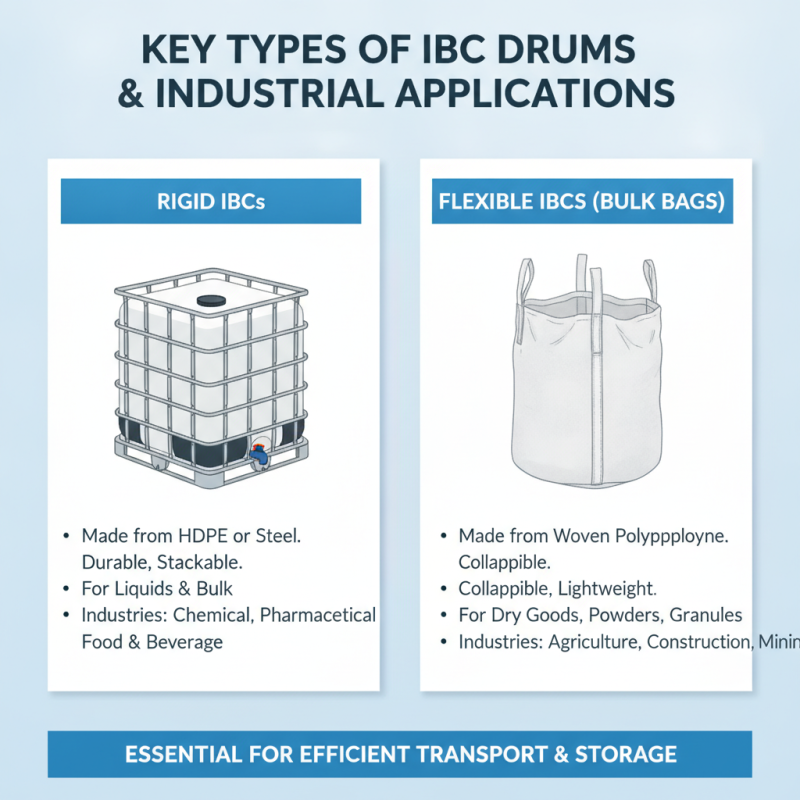
Key Types of IBC Drums and Their Industrial Applications

What is an IBC Drum and How to Choose the Right One?

Intermediate Bulk Containers (IBCs) are essential in various industries, particularly for transporting liquids and bulk materials. Understanding the different types of IBC drums is crucial for operational efficiency. The most common types include rigid and flexible IBCs, which have distinct features and uses. Rigid IBCs, often made from high-density polyethylene or steel, are prevalent in the chemical and pharmaceutical sectors. These drums are designed for durability and can handle harsh substances. They often comply with industry standards, ensuring safety in transportation.

Flexible IBCs are typically constructed from woven fabrics and are more suitable for lightweight products like food ingredients. According to the International Organization for Standardization, about 5.5 million IBCs are used globally each year, signifying their importance. Choosing the right IBC drum involves assessing the type of material to be stored, its volume, and the specific regulatory requirements of the industry. For instance, the food and beverage sector demands drums with high cleanliness standards to prevent contamination.

Despite their utility, not all IBCs are created equal. Some may not withstand extreme temperatures, which can lead to failures during transport. This highlights the necessity for regular inspections and a thorough understanding of storage conditions. Reflecting on previous case studies, proper selection and maintenance of IBCs can significantly improve safety and efficiency in manufacturing and logistics.

Factors to Consider When Choosing an IBC Drum for Specific Needs

When choosing an Intermediate Bulk Container (IBC) drum, several factors demand careful consideration. One critical aspect is the material of the drum. Most IBCs are made from polyethylene or steel. Polyethylene is lightweight and resistant to corrosion, making it a popular choice for chemicals. Steel provides enhanced durability but may be subject to rust. The right material ensures safety and compliance with industry regulations.

Capacity is another key factor. IBC drums typically hold 275 to 330 gallons. If you are handling large volumes, a higher capacity minimizes the need for multiple containers. Research from the National Association of Container Manufacturers reveals that over 70% of industries prefer IBCs for efficient bulk handling. This indicates a strong trend toward their use in various sectors, highlighting their reliability.

The intended use also impacts your decision. Some IBCs are designed for hazardous materials, while others are suitable for food-grade applications. Understanding the contents can prevent contamination. Calculating the weight and volume of the products ensures that you select an IBC that can handle these factors safely. This attention to detail not only protects the contents but also optimizes storage efficiency.

Regulatory Compliance and Safety Standards for IBC Drums

Choosing the right Intermediate Bulk Container (IBC) drum is crucial, especially when it comes to regulatory compliance and safety standards. These standards ensure that the containers meet specific criteria to hold various materials safely. It is important to consider the intended use of the drum before making a selection.

IBC drums must comply with regulations, like UN standards, for transporting hazardous materials. Evaluate the materials your drum will hold. Some substances may require specific certifications or protection measures. Check the labels and documentation provided with any drum. In many cases, failure to comply with these guidelines can lead to serious consequences.

Safety should never be taken lightly. Regular inspections are essential. It's wise to keep an eye on factors like temperature and pressure, which can affect the integrity of the drum. Sometimes, a scratch or dent might seem minor, but it could indicate a serious risk. Always stay informed and review safety practices regularly.

What is an IBC Drum and How to Choose the Right One? - Regulatory Compliance and Safety Standards for IBC Drums

Dimension Description Material Compliance Standards Capacity (Liters)
IBCs Intermediate Bulk Containers used for storage and transport Polyethylene, Steel UN, ISO 9001 1000
Collapsible IBCs Foldable containers for easy storage HDPE FDA, ISO 14001 600
Steel IBCs Durable and strong containers for hazardous materials Carbon Steel UN, ISO 9001 1000
Plastic IBCs Lightweight and corrosion-resistant containers Polyethylene FDA, UN 1000

Cost Analysis: Comparing IBC Drums Based on Material and Functionality

When selecting an Intermediate Bulk Container (IBC) drum, understanding costs is vital. Material plays a significant role in pricing. For example, plastic IBCs typically cost less than their stainless steel counterparts. According to industry reports, plastic IBCs can range from $300 to $600. Stainless steel versions might start at $800 and escalate depending on quality and capacity.

Functionality impacts cost as well. A simple design may be cheaper, but custom features can lead to higher expenses. Adding heating elements or specialized coatings to resist chemicals increases the price significantly. Understanding these nuances is crucial when budgeting for your projects.

Tips: Always factor in the long-term savings of durable materials. While the initial price of stainless steel may be higher, its longevity often justifies the investment. Consider potential reuse of IBCs. If a drum can be repurposed, the overall expenditure decreases. Be cautious with suppliers. A cheaper upfront cost may lead to compromise in quality.

Get in touch with us,
We will contact you shortly!

Get in touch with us by filling up the enquiry form. We will contact you shortly!

    What is the difference between Unline(Non-Epoxy Coated) or Lining(Epoxy Coated) Metal Drum?

    What are Unline(Non-Epoxy Coated) and Lining(Epoxy Coated) drums compatible with?

    What is the difference between Grade A and Grade B Metal Drum ?

    What content is suitable to fill in a Recon Grade A or Grade B Drum?

    What is the difference between Open Top and Close Top Drums and their usage?

    What type of content are Metal or Plastic Drums suitable for?

    Will there be any contamination in the reconditioned metal, plastic drums or IBC tanks?

    What is the drum gauge(thickness) and weight for reconditioned metal drums?

    Do you sell New Packaging Products too?

    What additional services do you provide apart from selling reconditioned and new containers.?

    Do you offer labelling and silkscreen on the containers ?

    Are you able to ship overseas ?

    Leading the Way
    to Carbon Neutrality

    Drumming sustainability into every aspect of our operations, we strive to create a greener and more conscious future for generations to come.
    Contact Us
    WhatsApp
    Email
    Join Our Newsletter

    Sign up for our newsletter for exclusive discounts and latest news of new launches!

      Logo Logo Logo Logo Logo
      Scroll to Top