
Why Are Waste Drums Essential for Industrial Waste Management?
Industrial waste rarely arrives in neat, predictable forms. A wet residue can seep through a weak seam. A metal offcut can dent a thin container. In busy facilities, waste drums help keep these materials contained, separated, and easier to move. They also support clearer handling routines and reduce the chance of spills during temporary storage.
Waste researcher William Rathje studied what discarded materials reveal about human activity. His work was not specifically about industrial drums, so it would be misleading to assign him a direct quotation on them. A useful editorial principle, inspired by that broader perspective, is: “Good waste management starts with knowing what is being discarded.” That means choosing a drum that suits the material, checking its condition, and labeling it clearly. Small details matter. A loose lid or unreadable label can disrupt an otherwise careful process.
This guide examines why waste drums are essential to industrial waste management, from containment and segregation to safer handling and operational consistency. It also considers practical selection factors, including material compatibility, capacity, closure type, and inspection routines. No container solves every problem. The right drum still depends on the waste, the workplace, and the procedures around it. That part deserves careful review.
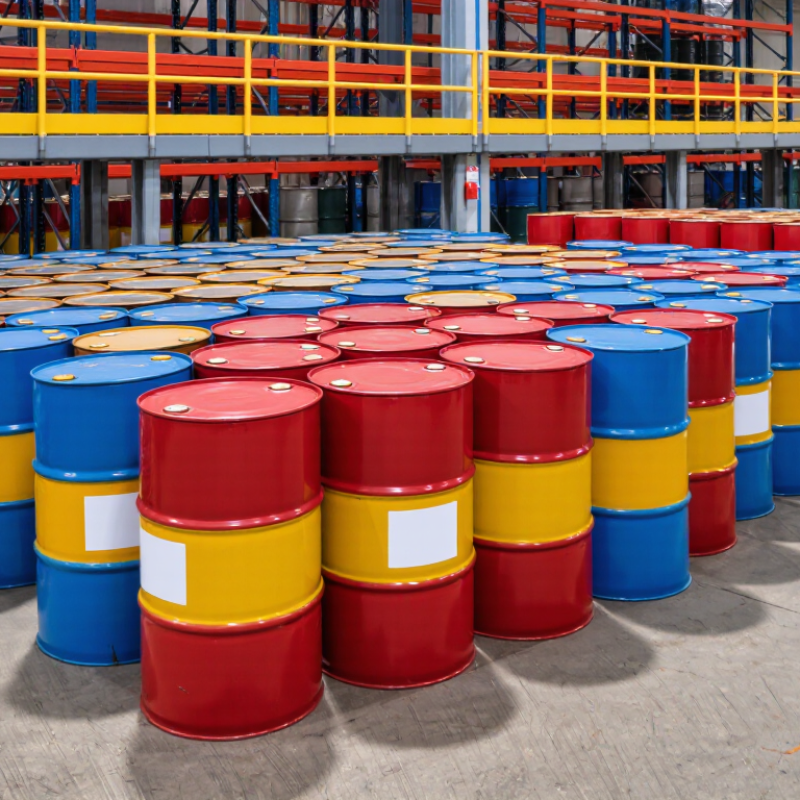
Drum Fundamentals: The Common 55-Gallon (208-L) Industrial Format
The 55-gallon drum remains a familiar industrial format because it offers substantial capacity in a movable container. NIST Special Publication 811 defines one U.S. gallon as 3.785411784 liters; 55 gallons therefore equal about 208.2 liters. That is nominal capacity, not a promise of usable fill. A worker checking a drum on a pallet may also need to account for the lid, headspace, and material weight. Small details matter.
The size is common, but the drum is not one-size-fits-all. Steel, plastic, and fiber designs differ in tare weight, closure style, and chemical compatibility. EPA’s 40 CFR 260.10 defines a container as a portable device in which material is stored, transported, treated, or otherwise handled. That practical definition points to the real job: choose a drum suited to the material and handling process, then label and inspect it consistently. Check the supplier’s capacity and compatibility specifications rather than relying on appearance alone. A full 208-liter drum can be awkward to move, even when the container itself looks sturdy. That is easy to underestimate.
Why Are Waste Drums Essential for Industrial Waste Management? — Drum Fundamentals: The Common 55-Gallon (208-L) Industrial Format
| Dimension | Fact or Common Practice | Why It Matters for Waste Management |
|---|---|---|
| Nominal capacity | A U.S. 55-gallon drum holds approximately 208.2 liters (often rounded to 208 L). | A widely recognized size makes it easier to plan collection, storage, and handling. Actual usable fill volume may be less than nominal capacity. |
| Drum construction | Common industrial options include carbon-steel drums and high-density polyethylene (HDPE) plastic drums. | Material selection should account for the waste’s chemical properties, temperature, and storage conditions; no single drum material is suitable for every waste. |
| Head style | Open-head drums have a removable lid; closed-head drums have fixed ends with smaller filling and dispensing openings. | Open-head designs can ease loading and removal of some solids, while closed-head designs can suit compatible liquids. The closure must be appropriate for the contents and handling method. |
| Containment | A sound drum and properly secured closure provide a primary container for waste during storage and movement. | Containment helps limit spills and exposure. Drums should be inspected for damage, corrosion, leaks, and closure problems. |
| Waste identification | Labels and markings can identify contents, hazards, accumulation details, and handling instructions, as required by applicable rules. | Clear identification supports safe segregation, compatible handling, emergency response, and appropriate downstream treatment or disposal. |
| Compatibility and segregation | Waste streams should be evaluated for chemical compatibility before being placed together or stored near one another. | Incompatible materials can react, generate heat or gas, or damage a container. Use separate, clearly identified containers when required. |
| Hazardous-material transport | Some drums bear UN performance markings indicating that a specified packaging design has passed applicable tests for designated uses. | A marking does not make a drum suitable for every substance or situation. The packaging, waste, closure, and shipment must meet the applicable transport requirements. |
| Storage and handling | Drums are commonly moved with suitable drum-handling equipment and stored on stable surfaces with access for inspection. | Appropriate handling reduces the risk of dropped or damaged containers. Site procedures should address secondary containment and other applicable requirements. |
| End-of-use management | After use, a drum may require cleaning, reuse, recycling, or disposal depending on its contents, condition, and applicable regulations. | Residual contamination can create hazards. Determine the correct route from the waste history and relevant local requirements rather than assuming an empty drum is free of residue. |
Important: Drum dimensions, capacities, materials, and regulatory requirements vary. Confirm container suitability against the waste characteristics and the rules that apply to the specific storage or shipment.
Related Posts
-

Top Industries to Watch in 2025 Global Market Trends and Predictions
-

2026 Best Metal Barrel Options for Storage and More?
-
What Are the 7 Best Stainless Steel IBC Tanks?
-
What are the Benefits of Using Stainless Steel IBC?
-
2026 Top Stainless Steel IBC Types for Global Buyers
-
Top 10 Tips for Choosing the Right IBC Containers for Your Needs



Get in touch with us,
We will contact you shortly!
What is the difference between Unline(Non-Epoxy Coated) or Lining(Epoxy Coated) Metal Drum?

What are Unline(Non-Epoxy Coated) and Lining(Epoxy Coated) drums compatible with?
What is the difference between Grade A and Grade B Metal Drum ?
What content is suitable to fill in a Recon Grade A or Grade B Drum?
What is the difference between Open Top and Close Top Drums and their usage?
What type of content are Metal or Plastic Drums suitable for?
Will there be any contamination in the reconditioned metal, plastic drums or IBC tanks?
What is the drum gauge(thickness) and weight for reconditioned metal drums?
Do you sell New Packaging Products too?
What additional services do you provide apart from selling reconditioned and new containers.?
Do you offer labelling and silkscreen on the containers ?
Are you able to ship overseas ?
Leading the Way
to Carbon Neutrality












