
Why Choose a Portable Electric Winch?
When a recovery job begins far from a workshop, carrying the right equipment matters. A Portable Electric Winch offers controlled pulling power without relying on a vehicle-mounted system. It can help move boats, trailers, ATVs, and heavy loads across uneven ground. Setup is usually straightforward. Yet convenience should never replace careful planning.
In practical field use, portability becomes valuable when access is limited. A compact winch can fit inside a utility vehicle or emergency equipment box. Its electric motor starts quickly from a suitable battery source. Many models include wired or wireless controls, steel cables, or synthetic ropes. These details affect handling, maintenance, and operating distance. Experienced users still inspect hooks, connectors, mounting points, and cable condition before pulling.
Safety depends on more than rated capacity. Load weight, slope, friction, anchor strength, and battery performance all influence the result. A winch rated for a certain load may not perform equally in every situation. That limitation is easy to overlook. I have found that rushed setups create more problems than weak equipment. Selecting a reputable brand, checking technical specifications, and following the manufacturer’s instructions can reduce avoidable risks. Gloves and eye protection also deserve attention.
The best choice is not always the most powerful model. It is the unit that matches the task, environment, and operator’s experience. A Portable Electric Winch can provide useful assistance, but it is not a substitute for sound judgment. Small details matter. Before purchasing, compare capacity, duty cycle, power requirements, weather resistance, warranty support, and replacement parts. This practical approach makes the equipment more dependable when conditions become difficult.
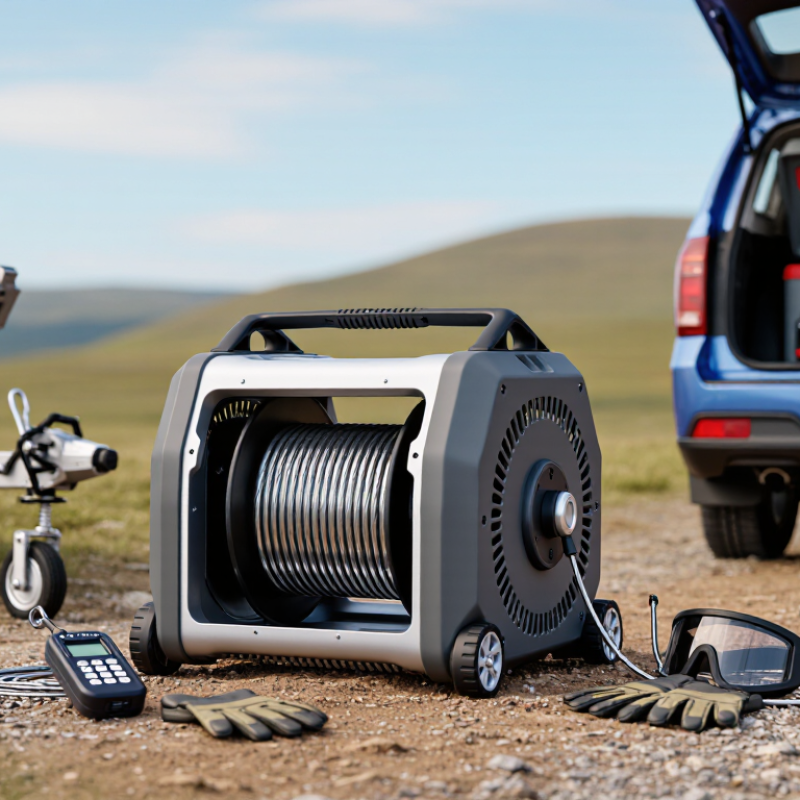
What Is a Portable Electric Winch?
A portable electric winch is a compact pulling device powered by a battery or another suitable electrical source. It uses a motor, drum, cable, and control system to move heavy objects over short distances. Unlike a permanently mounted winch, it can be carried and attached when needed. This flexibility suits recovery work, loading equipment, repositioning trailers, and handling materials on uneven ground.
In practical use, portability matters as much as pulling capacity. A reliable model should match the object’s weight, attachment points, cable length, and working environment. Check the rated line pull carefully, because advertised capacity may apply only to the first cable layer. The battery also affects performance, especially in cold weather or during repeated pulls. Keep the cable aligned. Poor alignment can cause uneven winding and sudden strain. I have seen people focus on motor power while ignoring secure anchoring. That is an easy mistake, and it deserves more attention.
Tips: Inspect the cable, hook, connections, and remote before every operation. Use gloves and keep bystanders away from the tensioned line. Place the winch on stable ground, then pull slowly and pause if anything shifts. Do not exceed the rated capacity or use damaged equipment. Portable does not mean effortless. A careful setup usually matters more than speed. I still question whether every “portable” design is truly convenient, because weight and battery access can make field use awkward.

How Portable Electric Winches Work
A portable electric winch uses a simple chain of mechanical and electrical actions. A battery sends power to an electric motor. The motor turns a gearbox, which increases pulling force while reducing speed. This slower rotation moves the drum and winds the cable around it.
A control switch changes the motor’s direction. Pressing “in” winds the cable inward, while “out” releases it carefully. Many units use a clutch to free the drum for manual cable placement. The anchor point must stay stable and aligned with the load. A crooked pull can strain the cable and gearbox.
In field use, the battery condition affects performance more than many users expect. A weak battery may make the motor sound normal but deliver poor pulling power. I have also found that muddy cable layers create uneven pressure on the drum.
Keep the cable arranged tightly. Leave room for cooling.
Portable designs help users move equipment between vehicles, trailers, and work areas. However, portable does not mean unlimited. Check the rated capacity, cable condition, connection points, and operating instructions before each task.
Wear suitable hand protection and keep people away from the tensioned line. A damaged cable can fail suddenly.
Some setups are imperfect.
That matters. A winch may pull well during testing but struggle on slopes, soft ground, or repeated cycles. Pause when the motor overheats, and inspect the system instead of forcing it.
Key Benefits of Choosing a Portable Electric Winch
A portable electric winch can turn a difficult recovery into a controlled, repeatable task. Its main advantage is mobility. You can carry it between trailers, utility vehicles, workshops, or remote work areas. There is no permanent installation. A suitable battery powers the motor, while a wired or wireless controller lets the operator stand clear. This improves visibility and reduces rushed handling. The winch works best when its rated capacity matches the actual load, not an optimistic estimate.
Electric operation reduces physical effort. The motor pulls steadily, helping with stuck equipment, material positioning, or loading heavy items onto a ramp. Many models include an adjustable clutch, brake, and synthetic or steel line. These features support controlled movement when used correctly. Inspect the rope, hook, battery leads, and anchor point before every job. Small cuts or loose connections can cause serious failures. Keep the line aligned with the load. Side pulls increase stress and may damage the winch.
Portability also has limits. A compact battery may lose power in cold weather or during repeated pulls. The winch can overheat during continuous operation. Pause between cycles. It is not magic. Never exceed the working load limit, and use properly rated recovery equipment. A common field mistake is focusing on motor strength while ignoring the anchor. That weak assumption can compromise the entire setup. Stable anchoring, clear communication, gloves, and eye protection matter equally. The extra preparation takes minutes, but it reveals problems before the load moves.
Important Features and Selection Criteria
Why Choose a Portable Electric Winch?
A portable electric winch is useful when lifting, pulling, or repositioning loads in changing locations. Selection should begin with rated line pull, not the motor’s headline power. Pulling capacity changes as more rope winds onto the drum. A 2024 Grand View Research analysis projects the global winch market to grow at about 5% annually through 2030. That growth reflects wider demand for compact handling equipment, but market growth does not guarantee safe performance.
Check the first-layer and final-layer pulling ratings. Then compare the load with a generous safety margin. Battery capacity matters too. High current demand can drain a small battery after only a few pulls. Look for thermal protection, a mechanical brake, emergency stopping, and a sealed control system. An IP rating helps, but IP protection does not replace careful cleaning after mud or salt exposure. Short duty cycles are common.
Rope choice needs attention. Synthetic rope is lighter, while steel rope tolerates abrasion better. Follow ISO 4309 inspection principles for visible damage, deformation, and wear. Mounting strength is equally important; a powerful winch on a weak anchor remains dangerous. In field testing, operators often overestimate battery endurance and underestimate side loading. I have seen both assumptions fail. Remote controls improve positioning, yet they can encourage standing too close to the load. Leave clear escape space, inspect the rope before each use, and record unusual heat, noise, or braking changes.
Why Choose a Portable Electric Winch? - Important Features and Selection Criteria
| Selection Dimension | Typical Data or Range | Why It Matters | Recommended Selection Guidance |
|---|---|---|---|
| Rated pulling capacity | Approximately 900–4,500 lb (410–2,040 kg) for many portable 12 V models | Determines whether the winch can move the intended load safely. | Choose a capacity above the total rolling load. Allow additional capacity for mud, slopes, obstacles, and poor ground conditions. |
| Power supply | Commonly 12 V DC; some heavy-duty units use 24 V DC | The voltage must match the available battery or vehicle electrical system. | Select a 12 V unit for most cars, trailers, boats, and utility vehicles; use 24 V only with a compatible system. |
| Line type | Galvanized steel cable or synthetic rope | Affects weight, handling, abrasion resistance, and stored energy during a failure. | Choose steel for rugged abrasion resistance; choose synthetic rope for lower weight and easier manual handling. |
| Line length | Often about 30–50 ft (9–15 m), depending on drum size and rope type | Determines the distance between the winch, anchor point, and load. | Select enough length for the usual recovery area, while avoiding unnecessary rope that increases storage and handling requirements. |
| Line speed | Typically faster with no load and slower under rated load; many units operate around 3–15 ft/min under load | Influences recovery time and operating efficiency. | Prioritize pulling capacity and control over maximum no-load speed for recovery work. |
| Duty cycle | Intermittent operation with cooling periods; continuous pulling is generally unsuitable | Electric motors and cables can overheat during prolonged high-load operation. | Choose a model with thermal protection and follow the stated run-time and rest intervals. |
| Portability | Many compact units weigh approximately 20–45 lb (9–20 kg) | Lower weight makes transport, storage, and temporary mounting easier. | Balance carrying weight against capacity, drum size, frame strength, and motor output. |
| Mounting method | Receiver hitch, removable plate, vehicle mount, or anchor strap system | A secure connection is essential for transferring pulling force safely. | Verify mounting-point strength, attachment compatibility, and alignment with the pulling direction. |
| Remote control | Wired control is common; wireless control is available on some models | Remote operation allows the user to stand clear of the cable and load. | Choose a control with clear forward, reverse, and stop functions; protect wireless remotes from water and impact. |
| Weather resistance | Look for a sealed motor, protected solenoid, corrosion-resistant hardware, and a published ingress rating where available | Outdoor recovery exposes the winch to water, mud, dust, and road salt. | For frequent outdoor use, favor documented water and dust protection rather than relying only on general marketing claims. |
| Safety features | Automatic braking, overload protection, circuit breaker or fuse, hook latch, and emergency stop | These features help reduce uncontrolled movement, electrical damage, and accidental release. | Treat safety features as essential, not optional, and inspect the rope, hook, connectors, and mounting hardware before use. |
| Battery and wiring | High-current operation requires short, adequately sized cables and a suitable battery | Voltage drop or undersized wiring can reduce pulling performance and create excess heat. | Follow the supplied wiring specifications, use properly rated protection, and keep electrical connections clean and tight. |
| Best use cases | Vehicle recovery, trailer loading, boat handling, utility work, and occasional off-road assistance | Portable electric winches provide powered pulling without permanent installation. | Choose a portable model when flexibility and occasional use are more important than the maximum capacity of a permanently mounted winch. |
Note: Specifications are typical industry ranges for portable electric winches and vary by design, rope material, battery condition, load angle, and operating environment. Always follow the manufacturer’s rated capacity and safety instructions.
Common Applications and Safe Operating Practices
Why Choose a Portable Electric Winch?
Common Applications and Safe Operating Practices
A portable electric winch helps move heavy equipment when fixed machinery is unavailable. It can pull a small trailer onto a ramp, reposition a boat, or recover a vehicle on private property. Its compact design allows storage in a service truck or garage. However, portability does not remove the need for careful planning.
Check the winch’s rated capacity before every job. Inspect the cable, hook, battery leads, and mounting points for damage. Use a strong anchor and keep the pulling line as straight as possible. Wear gloves and eye protection. Keep people away from the line, hook, and load path. Never use a winch to lift or carry people. Stop immediately if the cable bunches, the motor overheats, or the load shifts unexpectedly.
Tips: Place a heavy blanket over a tensioned cable to reduce movement if it breaks. Stand to the side, not directly behind the winch. Short pulls are safer than forcing continuous operation. Leave cooling time between cycles. I still recheck the anchor after the first few seconds, because small shifts can become serious problems. A remote control improves distance, but it cannot replace attention. Always follow the operating manual and local safety requirements.
Why Choose a Portable Electric Winch?
Common applications and representative rated line-pull requirements
Article Source:
Get in touch with us,
We will contact you shortly!
What is the difference between Unline(Non-Epoxy Coated) or Lining(Epoxy Coated) Metal Drum?

Unline drums with internally bare metal surface is more susceptible to corrosion and rust while Lining drums are internally coated with Phenolic Epoxy Coating to provide a non-reactive barrier between the drum surface and your product, less risk of contamination. Note: Our Unline drums are coated with an anti-rust agent after washing to reduce risk of rust.
What are Unline(Non-Epoxy Coated) and Lining(Epoxy Coated) drums compatible with?

In Singapore, Recon Unline Drums are usually more costly than Recon Lining Drums. Hence, we recommend Recon Unline Drums to fill aromatics like Thinner, Xylene, Toulene& other solvents like Hexane, BA, CA, EA, MC, White spirit, etc.
We recommend the lower-priced Recon Lining Drums to fill hydrocarbons like IPA, Methanol, Ethanoland oil-based products like diesel, petrol, lubricants, engine, hydraulic, base, transmission fluid, additives, waste oil, etc.;
What is the difference between Grade A and Grade B Metal Drum ?

Grading of used drums are usually based on physical conditions like rustiness, deformities and residual contents. Grade A drums are totally free from internal rust, serious dents and are easy to clean. Grade B drums have different degrees of rust internally and aesthetically inferior compared to Grade A drums.
What content is suitable to fill in a Recon Grade A or Grade B Drum?

Recon Grade A drum is suitable to fill more costly virgin grade products while Recon Grade B drum is more suitable for recycled or waste products.
What is the difference between Open Top and Close Top Drums and their usage?

Closed top drums are for water and other liquid products. Open Top drums can be used for liquid too but are primarily for more viscous products. The Open Top (or open head with a lid) allows you to get in and out of the drum with your product easier.
What type of content are Metal or Plastic Drums suitable for?

Metal drums offer additional protection when dealing with potentially flammable substances. They provide superior fire resistance, impact protection, and longevity for storing class 1, 2, and 3 volatile chemicals.
Plastic HDPE Drums are suitable for corrosive chemicals like acids, alkaline and also water-based products.
Will there be any contamination in the reconditioned metal, plastic drums or IBC tanks?

All our reconditioned containers (metal/plastic drums, carboys, IBC tanks) are washed thoroughly with specially formulated cleaning agent, rinsed with clean water, dried, and tested for possible leakages during the recondition process. Stringent quality inspection is being conducted 100% on every reconditioned product before they are qualified for sale & delivery.
What is the drum gauge(thickness) and weight for reconditioned metal drums?

Reconditioned metal drums gauge can be 0.9mm to 1.0mm all round. Their weight can vary from 16 to 18kg.
Do you sell New Packaging Products too?

Yes, we are also a distributor for new pallets, metal drums, plastic drums, carboys, IBCs and stainless-steel tanks.
What additional services do you provide apart from selling reconditioned and new containers.?

We are an NEA licensed toxic industrial waste collector, who can collect and dispose of used toxic waste containers in Singapore.
Do you offer labelling and silkscreen on the containers ?

We can provide labelling and silk-screening on the containers.
Are you able to ship overseas ?

Yes, we can arrange export our products to any country in the world.
Leading the Way
to Carbon Neutrality