
Why Choose a Sewer Grate for Global Projects?
When infrastructure crosses borders, small components can determine long-term performance. A Sewer Grate protects drainage openings while supporting safer streets, yards, tunnels, and industrial sites. It helps control surface water, debris, and pedestrian access around critical drainage points. In a busy loading area, a properly fitted grate can withstand repeated wheel loads and harsh weather. That practical detail matters more than attractive catalog images.
Global projects require careful attention to local drainage rules, load classifications, accessibility needs, and installation methods. Engineers may review standards such as EN 124, but certification alone does not guarantee suitability everywhere. Road traffic, rainfall intensity, soil movement, and maintenance equipment can change the correct specification. A coastal project may need ductile iron or treated steel to resist corrosion. A pedestrian plaza may need narrow openings and a stable, slip-resistant surface. Details matter.
Sourcing also affects project reliability. Experienced manufacturers should provide material data, dimensional drawings, load-test evidence, and clear quality-control records. Site teams need consistent dimensions, secure seating, and replacement access. Otherwise, even a strong product can become a weak point. Not every project needs the heaviest grate. That assumption can increase costs without improving safety. A better decision balances performance, service life, local compliance, and realistic maintenance capacity. Some design choices remain uncertain until the site is inspected properly. That is not failure; it is responsible engineering.
What Is a Sewer Grate and How Does It Function?
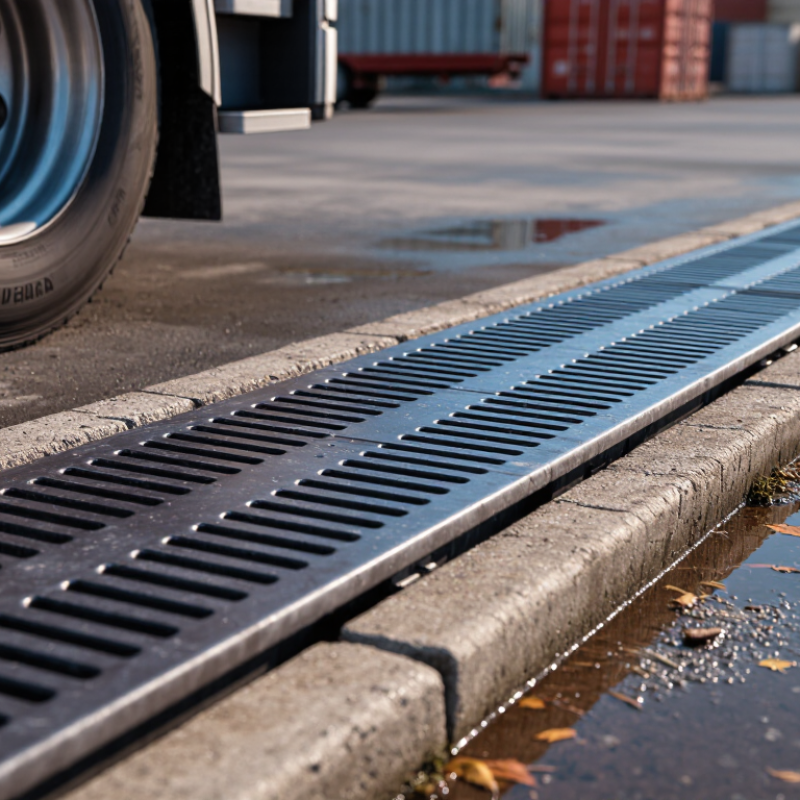
A sewer grate is a metal cover fitted over a drainage opening. It sits at street level, allowing rainwater to enter underground pipes. Its bars catch leaves, stones, and other debris before they reach the drainage system. During heavy rain, the openings must carry water quickly without creating dangerous surface flooding. The grate also supports pedestrians, bicycles, and vehicles passing above it. Load capacity matters. A residential lane needs different strength from a freight yard.
Its function depends on more than visible holes. Engineers examine opening size, water flow, slip resistance, and maintenance access. Narrow openings may improve safety but can clog faster. Wide openings may drain efficiently but create risks for wheels and footwear. In coastal or industrial areas, corrosion resistance requires careful material selection and coating control. Local standards should guide load testing, dimensions, and installation details. Drainage calculations should also reflect rainfall intensity and road slope.
On real projects, small installation errors can cause large problems. A grate placed slightly above the pavement may collect water poorly. A loose frame can rattle under traffic and loosen surrounding concrete. I have found that drawings rarely show every site condition. Field inspections remain essential. Even a well-designed grate may need adjustment after observing sediment, flooding patterns, or cleaning access. That practical feedback should shape the final specification.



Get in touch with us,
We will contact you shortly!
What is the difference between Unline(Non-Epoxy Coated) or Lining(Epoxy Coated) Metal Drum?

What are Unline(Non-Epoxy Coated) and Lining(Epoxy Coated) drums compatible with?
What is the difference between Grade A and Grade B Metal Drum ?
What content is suitable to fill in a Recon Grade A or Grade B Drum?
What is the difference between Open Top and Close Top Drums and their usage?
What type of content are Metal or Plastic Drums suitable for?
Will there be any contamination in the reconditioned metal, plastic drums or IBC tanks?
What is the drum gauge(thickness) and weight for reconditioned metal drums?
Do you sell New Packaging Products too?
What additional services do you provide apart from selling reconditioned and new containers.?
Do you offer labelling and silkscreen on the containers ?
Are you able to ship overseas ?
Leading the Way
to Carbon Neutrality