
Why Choose a 7.5KW Belt Driven Screw Air Compressor?
Choosing a 7.5KW Belt-Driven Screw Air Compressor starts with a practical question: how much usable air does your operation need? The motor rating alone cannot answer that. Check the supplier’s free-air delivery at your required working pressure, then compare it with the tools or production equipment running at the same time. A spray line, packaging machine, and pneumatic wrench can create very different demand patterns.
Belt drive can make routine inspection straightforward, but the belts still need correct tension and periodic checks. A loose belt may slip; excessive tension can add strain to components. Small details matter. Also review the installation space, ventilation, noise level, and access needed for servicing. Ask what filtration, cooling, and control features are included, rather than assuming every package is identical. Verify the manufacturer’s technical data and service guidance before choosing.
This compressor may suit a workshop or small production area with steady compressed-air needs, provided its rated output matches the actual load. It is not automatically the right choice for every site. Intermittent demand, future expansion, and local service availability can change the decision. There is a trade-off here: a lower purchase price means little if the machine cannot maintain pressure during busy periods. Comparing operating requirements carefully gives buyers a clearer basis for selecting a dependable system.
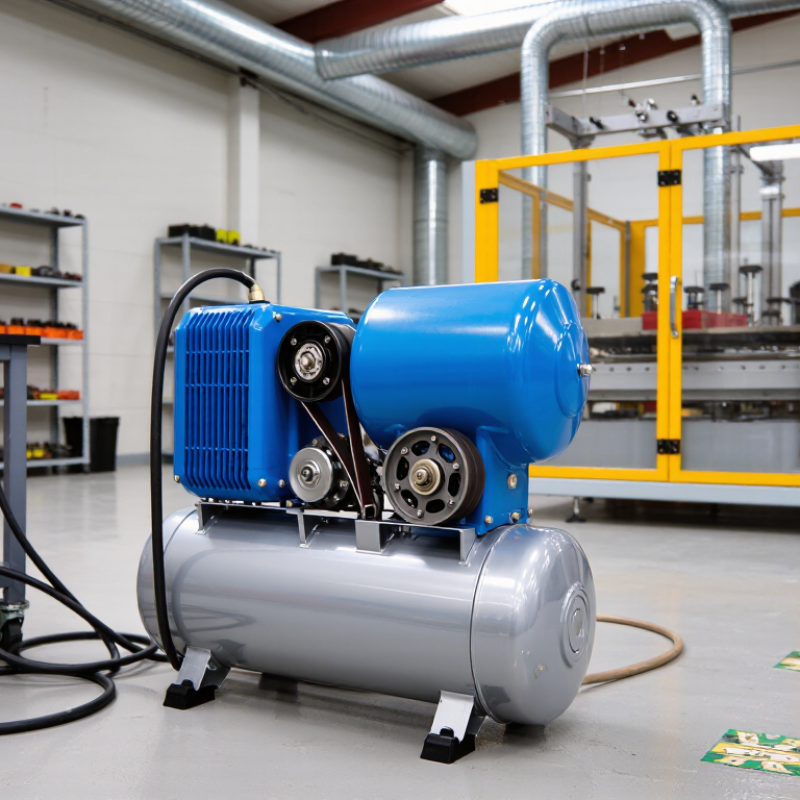
What Is a 7.5 kW Belt-Driven Screw Air Compressor?
A 7.5 kW belt-driven screw air compressor uses a 7.5-kilowatt electric motor to power a rotary screw air end. A belt and pulleys transfer the motor’s rotation to the screw assembly. Inside, two meshing rotors draw in air, compress it, and deliver it to the outlet. That distinction matters. The 7.5 kW figure describes motor input power, not the volume of air the machine can supply. Actual airflow depends on operating pressure, design, and package efficiency.
The belt drive can make routine service straightforward: technicians can inspect belt wear and tension without opening the screw air end. Still, belts need correct alignment and periodic checks, and replacement intervals vary by use. Before choosing a unit, compare its rated airflow at your required pressure with the demand of your tools or production line. A compressor that looks adequate on a nameplate may struggle during simultaneous use. Check also the receiver size, cooling needs, and available electrical supply. It is not automatically the right choice. For steady workshop demand, it may be practical; for fluctuating loads, the controls and duty cycle deserve closer review.

How Does Its Belt-Driven Compression System Work?
A 7.5 kW belt-driven screw air compressor transfers power from its motor to the air end through a belt and pulleys. The motor pulley turns the air-end pulley, setting rotor speed for the intended operating range. Inside the air end, matched helical rotors draw in filtered air and carry it along the casing. As the spaces between the rotors shrink, the air is compressed and moves toward the outlet. The belt does not compress air; it transmits rotation.
This arrangement allows the pulley ratio to influence air-end speed. That can help match output to a workshop’s demand, though the compressor’s actual performance depends on its design and operating conditions. Belt condition matters. Poor alignment or incorrect tension can cause vibration, noise, or slipping, while excessive tension may strain bearings. A quick check can reveal wear, but adjustments should follow the service instructions. Small details matter here.
Tips: Check belt tension and pulley alignment during routine maintenance, with the machine safely shut down. Keep the air intake filter clean, and watch for unusual noise or belt dust. Do not tighten a belt by guesswork; it may seem secure, yet still be too tight.
Why Choose a 7.5 kW Belt-Driven Screw Air Compressor?
How does its belt-driven compression system work? The motor turns a drive pulley, and the belt transfers rotation to the compressor pulley. Pulley size determines the compressor’s theoretical speed.
Illustrative example: At a motor speed of 1,450 rpm, the chart shows theoretical compressor speeds for three pulley-size combinations. It uses the relationship motor speed × drive-pulley diameter ÷ compressor-pulley diameter and excludes belt slip. These are not specifications for a particular compressor; actual airflow and operating pressure depend on the machine design and operating conditions.
What Components Determine Its Performance?
A 7.5 kW rating describes the motor’s input power, not the air available at every pressure. The screw air end, motor, and belt drive work together to produce usable flow. Air-end condition matters: worn internal clearances can reduce output, while suitable lubrication helps control heat and friction. The belt and pulleys also matter. Correct alignment and tension support efficient power transfer and reduce unnecessary wear. Small details matter.
Air quality and cooling can change performance over a full work shift. A clogged intake filter restricts airflow, while a saturated oil separator can raise pressure drop. Dusty workshops and blocked cooler fins make heat harder to remove. The controller’s pressure settings should match the tools and process, rather than being set higher “just in case.” That habit can waste energy. A receiver tank may help handle short demand peaks, but it cannot replace adequate compressor capacity.
Check delivered airflow at the required pressure, not just the motor label. Record pressure, temperature, and operating hours during normal use; these readings make maintenance decisions more grounded. It is easy to focus on the motor rating. That is not the whole story. Belt condition, filtration, cooling, and the actual duty cycle all deserve attention, and real installations rarely behave exactly like a catalogue example.
Which Applications Suit This Compressor Size?
A 7.5 kW belt-driven screw air compressor can suit a small workshop with steady, moderate air demand. Think of a repair bay running an impact wrench briefly, then using blow-off air or a small spray tool. It can also serve light packaging lines, woodworking shops, and maintenance areas where several tools are used in rotation. Not all at once.
The right fit depends on more than motor power. Check each tool’s air consumption and required pressure, then compare them with the compressor’s rated output at that pressure. A machine may struggle if several high-demand tools run together or if leaks go unnoticed. That part is easy to overlook. Belt-driven units also need routine checks for belt tension, wear, and alignment; neglected belts can reduce performance and add noise. For a site with sharp demand peaks, a receiver tank may help, but it cannot replace adequate compressor capacity.
Tips: Record air use during a typical shift, including peak periods. Ask a qualified supplier to verify flow, pressure, and air treatment needs before sizing. Leave room for maintenance access. Sizing is not always neat, and real usage may change.
What Factors Guide Selection and Maintenance?
A 7.5 kW motor rating alone cannot tell you whether a belt-driven screw compressor suits your workshop. Check the compressor’s delivered airflow at your working pressure, then compare it with the tools’ actual demand. Air tools used together can create sharp demand peaks. Allow for those peaks without choosing a unit that runs constantly at full load.
Think about the installation, too. Measure the available floor space and leave room to inspect and adjust the belt. Confirm the electrical supply, ventilation, and ambient temperature meet the equipment requirements. A receiver tank can help manage brief surges, while a dryer and suitable filtration may be needed for moisture-sensitive equipment. I would not size it by motor power alone. That assumption is easy to make, and worth questioning.
Keep maintenance checks simple and regular. Inspect belt wear, alignment, and tension according to the manual; a loose belt may slip, while excess tension can stress bearings. Check oil level, inlet filters, condensate drains, and operating temperature. Record readings and service dates. Small changes matter. Rising temperature or longer refill times can signal a developing issue, though they do not identify its cause by themselves. Schedule service using the manufacturer’s instructions and the compressor’s operating conditions.
| Why Choose a 7.5 kW Belt-Driven Screw Air Compressor? — Selection and Maintenance Guide | |||
|---|---|---|---|
| Factor | Typical Data or Check | Why It Matters | Practical Guidance |
| Motor power | 7.5 kW (approximately 10 hp) | Indicates the motor’s rated output, not the amount of usable compressed air delivered. | Check that the motor supply voltage, phase, frequency, and starting method match the site electrical system. |
| Air delivery | Often approximately 0.8–1.1 m³/min (about 28–39 cfm) for units in this power class; actual flow varies by design and pressure. | Air delivery determines whether the compressor can meet the combined demand of connected equipment. | Compare the specified free air delivery (FAD) at the required discharge pressure—not just motor power or displacement. |
| Working pressure | Common configurations are rated around 7–10 bar (approximately 100–145 psi). | Higher pressure generally reduces delivered air flow and increases energy use. | Choose the lowest pressure that reliably serves the tools and process, allowing for pressure loss in filters, dryers, and piping. |
| Duty cycle and demand | Rotary screw compressors are commonly selected for sustained or frequent demand, but the permitted operating conditions are model-specific. | Frequent starts, long unloaded periods, or demand above capacity can increase wear and energy consumption. | Review the site’s measured flow profile, peak demand, and daily operating hours before sizing the unit. |
| Belt drive | Power is transmitted from the motor to the air end by belts and pulleys. | A belt drive allows drive components to be serviced separately, but belt condition and alignment affect reliability. | Inspect for cracking, glazing, fraying, unusual vibration, and slipping. Set tension and alignment according to the equipment manual. |
| Air receiver | Receiver capacity is selected according to demand fluctuations, control strategy, and permissible pressure variation. | A receiver helps buffer short peaks and can reduce rapid load changes; it does not increase the compressor’s sustained air capacity. | Size the receiver for the actual application and comply with local pressure-vessel inspection and safety requirements. |
| Air treatment | Filtration and drying requirements depend on the end use and required air quality. | Moisture, oil aerosols, and particles can affect products, tools, and downstream equipment. | Select filters and a dryer to meet the application’s air-quality needs. Check pressure drop and replace filter elements as specified. |
| Cooling and ventilation | Provide clear airflow around the compressor and keep the intake and cooler free of obstructions. | Poor ventilation or dirty cooling surfaces can raise operating temperature and trigger shutdowns. | Install the unit in a clean, adequately ventilated space and follow the manufacturer’s clearance and ambient-temperature limits. |
| Daily or routine checks | Check operating pressure, temperature, alarms, leaks, and visible signs of abnormal vibration or noise. | Early detection can help prevent minor issues from becoming costly failures. | Record readings and report changes from normal operating conditions. Never remove guards while the unit is running. |
| Service items | Common service items include air and oil filters, oil, separator elements, belts, and cooler cleaning. | Service intervals depend on operating hours, environment, and the compressor design. | Use the equipment’s service schedule and approved fluid specifications; do not rely on a universal interval. |
| Energy and total cost | Energy use depends on load, pressure setting, control method, leakage, and operating hours. | Electricity can be a significant part of lifecycle cost, so purchase price alone is not a complete comparison. | Compare measured or documented performance at the required pressure, and repair leaks and avoid unnecessarily high pressure. |
| When this size may fit | Applications with demand that falls within the unit’s verified FAD at the required pressure. | An undersized unit may struggle to maintain pressure; an oversized unit may spend more time operating inefficiently. | Confirm demand with an air audit or flow measurements and allow for future loads only when they are clearly defined. |
| Note: Figures are typical selection ranges, not guaranteed specifications. Confirm air delivery, pressure, electrical requirements, service intervals, and installation limits using the specific compressor’s technical documentation. | |||
Article Source:
Get in touch with us,
We will contact you shortly!
What is the difference between Unline(Non-Epoxy Coated) or Lining(Epoxy Coated) Metal Drum?

Unline drums with internally bare metal surface is more susceptible to corrosion and rust while Lining drums are internally coated with Phenolic Epoxy Coating to provide a non-reactive barrier between the drum surface and your product, less risk of contamination. Note: Our Unline drums are coated with an anti-rust agent after washing to reduce risk of rust.
What are Unline(Non-Epoxy Coated) and Lining(Epoxy Coated) drums compatible with?

In Singapore, Recon Unline Drums are usually more costly than Recon Lining Drums. Hence, we recommend Recon Unline Drums to fill aromatics like Thinner, Xylene, Toulene& other solvents like Hexane, BA, CA, EA, MC, White spirit, etc.
We recommend the lower-priced Recon Lining Drums to fill hydrocarbons like IPA, Methanol, Ethanoland oil-based products like diesel, petrol, lubricants, engine, hydraulic, base, transmission fluid, additives, waste oil, etc.;
What is the difference between Grade A and Grade B Metal Drum ?

Grading of used drums are usually based on physical conditions like rustiness, deformities and residual contents. Grade A drums are totally free from internal rust, serious dents and are easy to clean. Grade B drums have different degrees of rust internally and aesthetically inferior compared to Grade A drums.
What content is suitable to fill in a Recon Grade A or Grade B Drum?

Recon Grade A drum is suitable to fill more costly virgin grade products while Recon Grade B drum is more suitable for recycled or waste products.
What is the difference between Open Top and Close Top Drums and their usage?

Closed top drums are for water and other liquid products. Open Top drums can be used for liquid too but are primarily for more viscous products. The Open Top (or open head with a lid) allows you to get in and out of the drum with your product easier.
What type of content are Metal or Plastic Drums suitable for?

Metal drums offer additional protection when dealing with potentially flammable substances. They provide superior fire resistance, impact protection, and longevity for storing class 1, 2, and 3 volatile chemicals.
Plastic HDPE Drums are suitable for corrosive chemicals like acids, alkaline and also water-based products.
Will there be any contamination in the reconditioned metal, plastic drums or IBC tanks?

All our reconditioned containers (metal/plastic drums, carboys, IBC tanks) are washed thoroughly with specially formulated cleaning agent, rinsed with clean water, dried, and tested for possible leakages during the recondition process. Stringent quality inspection is being conducted 100% on every reconditioned product before they are qualified for sale & delivery.
What is the drum gauge(thickness) and weight for reconditioned metal drums?

Reconditioned metal drums gauge can be 0.9mm to 1.0mm all round. Their weight can vary from 16 to 18kg.
Do you sell New Packaging Products too?

Yes, we are also a distributor for new pallets, metal drums, plastic drums, carboys, IBCs and stainless-steel tanks.
What additional services do you provide apart from selling reconditioned and new containers.?

We are an NEA licensed toxic industrial waste collector, who can collect and dispose of used toxic waste containers in Singapore.
Do you offer labelling and silkscreen on the containers ?

We can provide labelling and silk-screening on the containers.
Are you able to ship overseas ?

Yes, we can arrange export our products to any country in the world.
Leading the Way
to Carbon Neutrality