
Why Are Red Wine Glasses Shaped That Way?

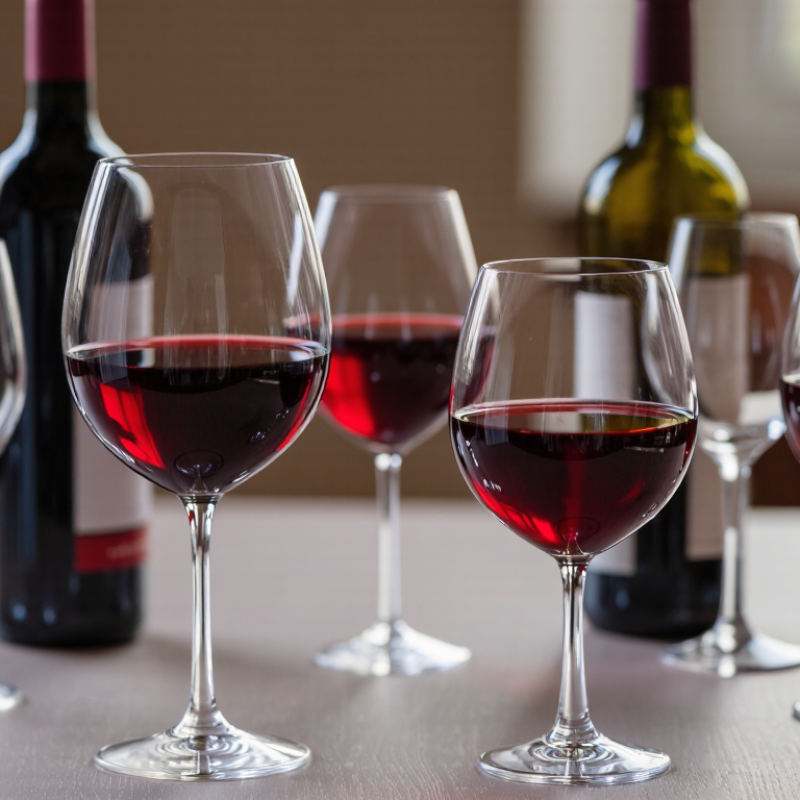
Red Wine Glasses are shaped to guide aroma, balance flavor, and make each sip more expressive. Their wide bowls give red wine room to breathe. This larger surface can release fruit, spice, oak, and earthy aromas. The narrow opening then concentrates those aromas toward the nose. You notice the difference before tasting.

The curved bowl also helps the wine move across the tongue. Depending on its design, it may direct the liquid toward different areas of the mouth. This can influence how acidity, tannins, alcohol, and fruitiness seem to balance. The long stem keeps warm hands away from the bowl. It also allows drinkers to swirl the wine without touching its surface. Small details matter.

However, the shape is not a guarantee of better wine. Wine professionals and sensory researchers recognize that glass design can affect perception, yet personal preference remains important. A broad Bordeaux glass may suit a structured Cabernet Sauvignon. A smaller Burgundy glass may highlight the delicate aromas of Pinot Noir. These traditions are useful, but not absolute.

I once assumed the largest glass was always superior. It was not. Some wines felt muted inside an oversized bowl. The right glass depends on the wine, serving temperature, and setting. Even the cleanest crystal cannot repair flawed wine. Its purpose is simpler: to help the wine show more clearly. Perhaps that is why Red Wine Glasses remain both practical tools and objects of careful design.
Why Are Red Wine Glasses Shaped That Way?

Red Wine Glasses: How Bowl Shape Supports Aroma and Balance

Why Are Red Wine Glasses Shaped That Way?

Red wine glasses use a wider bowl to support aroma and balance. The extra space lets wine release volatile compounds above the surface. A narrower rim then directs those aromas toward the nose. This matters because smell strongly influences flavor perception. The International Organization for Standardization’s ISO 3591:1977 tasting-glass standard also uses a tulip-like bowl for sensory evaluation. The shape is deliberate, not decorative.

Bowl volume changes the wine’s behavior. A generous bowl allows gentle swirling, spreading aroma without spilling. Its curved sides help concentrate scents near the rim. The stem keeps warm hands away from the bowl, which can protect serving temperature. Still, glass shape cannot repair flawed wine. I have noticed that very large bowls can make delicate reds seem thin. Smaller bowls may make powerful wines feel overly tight. The result depends on grape variety, alcohol, temperature, and personal sensitivity. The OIV’s State of the World Vine and Wine Sector 2023 report estimated global wine consumption at about 221 million hectolitres. That scale reflects countless drinking situations, not one perfect glass.

Tips: Fill the bowl only one-quarter to one-third full. Leave room for swirling. Serve lighter reds slightly cool, around 12–14°C, and fuller reds near 16–18°C. Compare the same wine in two bowl sizes. Your own nose may disagree with conventional advice. That is useful evidence, too.


ISO 3591:1977 and the 215 mL Professional Tasting-Glass Standard

Why Are Red Wine Glasses Shaped That Way?

ISO 3591:1977 and the 215 mL Professional Tasting-Glass Standard

A red wine glass is shaped for controlled observation, not decoration. ISO 3591:1977 specifies a transparent, stemmed tasting glass with a tulip-like bowl and approximately 215 mL capacity. Its narrow rim concentrates volatile aromas above the wine. The wider lower bowl gives tasters room to swirl without spilling. That small movement releases scent from the wine’s surface. It is simple, but not effortless.

In professional tastings, the 215 mL glass creates a repeatable reference point. Pouring roughly 50 mL leaves enough headspace for aroma evaluation and visual inspection. Tasters can compare color, clarity, acidity, tannin, and finish under similar conditions. The International Organisation of Vine and Wine reported global wine consumption at about 214.2 million hectolitres in 2024, the lowest level since 1961. Consistent glassware matters more when samples and consumer habits vary.

The standard is useful, not sacred. ISO 3591:1977 describes a tasting tool, not every dining glass. A larger bowl may display aroma differently, while a thick rim can distort the tasting experience. I still find the 215 mL format slightly restrictive during extended evaluation. That discomfort is valuable. It reminds professionals that glass shape influences perception, but does not replace trained observation, controlled serving conditions, or transparent reporting.

Why Are Red Wine Glasses Shaped That Way?

ISO 3591:1977 and the 215 mL Professional Tasting-Glass Standard

Nominal capacity
215 mL
ISO 3591:1977 professional tasting glass
Nominal height
155 mm
Tall enough to separate the bowl from the hand

The ISO tasting glass combines a broad bowl with a smaller opening: the bowl provides space for swirling, while the narrower rim helps concentrate volatile aromas above the wine. Its stem reduces heat transfer from the hand, and the 215 mL capacity leaves practical headspace for sensory evaluation rather than encouraging a full pour. The chart shows the standard’s nominal dimensions; stated tolerances are ±5 mm for height, maximum bowl diameter, and base diameter, and ±2 mm for opening diameter.

Why Red-Wine Bowls Often Range from 450 to 750 mL in Industry Lines

Why Are Red Wine Glasses Shaped That Way?

Red-wine bowls often range from 450 to 750 mL because capacity supports aroma, movement, and serving flexibility. The bowl needs space above the wine. This headspace collects volatile aromas, allowing fruit, spice, and oak notes to develop near the rim. A wider bowl also lets the wine spread across the palate. However, a larger glass does not automatically improve every wine.

Industry lines use different capacities for practical reasons. Full-bodied reds often benefit from generous bowls, while lighter reds can feel more balanced in smaller ones. A 750 mL bowl may look dramatic, but it is not meant to be filled completely. A typical pour occupies only a fraction of its volume. This leaves room for swirling without splashing. It also reduces the risk of warming the wine with your hand. Shape, rim thickness, stem length, and stability matter too. Capacity alone is an imperfect measurement.

Tips: Pour about one-fifth to one-third of the bowl. Hold the stem, not the bowl. Swirl gently on a flat surface. Compare the same wine in two sizes. Your preference may change. That is useful evidence, not a mistake. A broad bowl can reveal more aroma, yet it may make delicate wine seem thin. A smaller bowl may feel less expressive, but sometimes it gives better focus.

Why Are Red Wine Glasses Shaped That Way? — Why Red-Wine Bowls Often Range from 450 to 750 mL in Industry Lines

Design Dimension Typical Range or Standard Practice Functional Reason Practical Effect on Tasting
Total bowl capacity Approximately 450–750 mL Provides room for different red-wine styles while leaving space above the liquid. Allows swirling and encourages aromatic compounds to collect in the upper part of the bowl.
Typical serving pour Approximately 120–180 mL Keeps the wine well below the widest part of the bowl instead of filling the vessel to capacity. Creates headspace for aromas and makes controlled swirling easier.
Bowl height Approximately 100–150 mm A taller bowl separates the wine surface from the rim and provides a larger aromatic chamber. Concentrates volatile aromas near the nose without requiring a very large pour.
Bowl diameter at the widest point Approximately 85–115 mm A broad bowl increases the exposed surface area of the wine. Supports oxygen contact and helps release aromas during and after swirling.
Rim diameter Approximately 55–75 mm A narrower opening directs aromas upward while remaining wide enough for sipping. Helps the taster perceive fruit, spice, oak, and other volatile notes more clearly.
Bowl profile Rounded, tulip-shaped, or gently tapered The curved sides retain aromas better than a straight-sided vessel. Balances aroma concentration with enough space for the wine to move during swirling.
Bowl-to-rim taper Rim narrower than the widest bowl diameter The taper reduces the escape rate of volatile aromatic compounds. Makes the aroma easier to evaluate before the first sip.
Stem length Approximately 80–120 mm The stem allows the glass to be held without touching the bowl. Reduces fingerprints and helps limit heat transfer from the hand to the wine.
Base diameter Approximately 70–95 mm A broad, stable foot counterbalances the larger bowl. Improves stability during swirling and reduces the risk of tipping.
Glass wall thickness Often approximately 0.8–1.5 mm in fine stemware A thinner rim provides a less intrusive contact point while retaining sufficient strength for normal use. Lets the wine enter the mouth with less distraction from the glass itself.
Suitable wine styles Full-bodied reds: roughly 550–750 mL bowls; lighter reds: roughly 450–600 mL bowls More powerful wines benefit from additional headspace; lighter wines generally need less volume. Matches bowl size with the wine’s aromatic intensity and structure.
Recommended fill level Usually below the widest point of the bowl Maintains a large air space above the wine. Offers a practical balance between aroma development, serving control, and comfortable drinking.

Note: These are typical design and service ranges rather than universal specifications. Exact dimensions vary according to glass shape, intended wine style, manufacturing tolerances, and regional serving practices.

How a Narrow Rim Directs Wine and Concentrates Aromatic Compounds

Why Are Red Wine Glasses Shaped That Way?

A red wine glass often narrows toward its rim for a practical sensory reason. The bowl gives wine enough surface area to release volatile compounds, while the smaller opening guides them toward the nose. When I swirl a glass, aromas gather above the wine instead of escaping immediately across the table. Dark fruit, oak, pepper, and earthy notes can feel more defined. The effect is subtle, not magical. Room temperature, pour size, and wine age still matter.

The International Organization for Standardization’s ISO 3591 sensory standard uses a tulip-shaped glass for wine evaluation. Its design supports consistent aroma assessment and reduces distractions from the vessel. The OIV’s State of the World Vine and Wine Sector 2024 report estimated 2023 global production at about 237 million hectoliters. That scale makes sensory tools important across professional tasting, quality control, and hospitality. A narrow rim does not create new aromas. It changes how efficiently the nose receives them.

I have noticed a flaw in my own tasting habits. I sometimes blame the glass when the wine is simply too warm or heavily aerated. A smaller rim may concentrate aroma compounds near the nose, but it cannot repair poor storage. Hold the stem, pour modestly, and wait briefly. Then smell before swirling. The difference can be immediate. Sometimes, it is barely there.

Stem Length, Bowl Clearance, and the Professional 150 mL Pour standard

Why Are Red Wine Glasses Shaped That Way?

A red wine glass gives the drink room to breathe. Its wide bowl helps oxygen reach the wine’s surface during swirling. The narrower rim gathers aromas near the nose. ISO 3591:1977 specifies a tasting glass with a rounded bowl and narrowed opening for sensory evaluation. That shape is deliberate, not decorative.

Stem length adds practical clearance. Holding the stem keeps warm fingers away from the bowl. It also protects the wine from fingerprints and allows a clear view of its color. A taller stem can feel elegant, but it may become unstable on a crowded table. I have found that balance matters more than height. Some modern glasses simply feel too fragile.

The professional 150 mL pour needs similar judgment. It equals roughly 5 fluid ounces, close to the 5-ounce wine serving used by the U.S. National Institute on Alcohol Abuse and Alcoholism for one standard drink at 12% alcohol. However, 150 mL is a service benchmark, not a universal legal rule. A measured pour should sit below the bowl’s widest point. This leaves clearance for swirling and reduces spills. Industry service training commonly treats this volume as controlled portioning, while the 2024 OIV report shows wine remains a globally significant hospitality product. Still, a precise pour can look small in an oversized bowl. That visual mismatch deserves more thought.

Get in touch with us,
We will contact you shortly!

Get in touch with us by filling up the enquiry form. We will contact you shortly!

    What is the difference between Unline(Non-Epoxy Coated) or Lining(Epoxy Coated) Metal Drum?

    What are Unline(Non-Epoxy Coated) and Lining(Epoxy Coated) drums compatible with?

    What is the difference between Grade A and Grade B Metal Drum ?

    What content is suitable to fill in a Recon Grade A or Grade B Drum?

    What is the difference between Open Top and Close Top Drums and their usage?

    What type of content are Metal or Plastic Drums suitable for?

    Will there be any contamination in the reconditioned metal, plastic drums or IBC tanks?

    What is the drum gauge(thickness) and weight for reconditioned metal drums?

    Do you sell New Packaging Products too?

    What additional services do you provide apart from selling reconditioned and new containers.?

    Do you offer labelling and silkscreen on the containers ?

    Are you able to ship overseas ?

    Leading the Way
    to Carbon Neutrality

    Drumming sustainability into every aspect of our operations, we strive to create a greener and more conscious future for generations to come.
    Contact Us
    WhatsApp
    Email
    Join Our Newsletter

    Sign up for our newsletter for exclusive discounts and latest news of new launches!

      Logo Logo Logo Logo Logo
      Scroll to Top