
What Is a Rotomolding Chair?
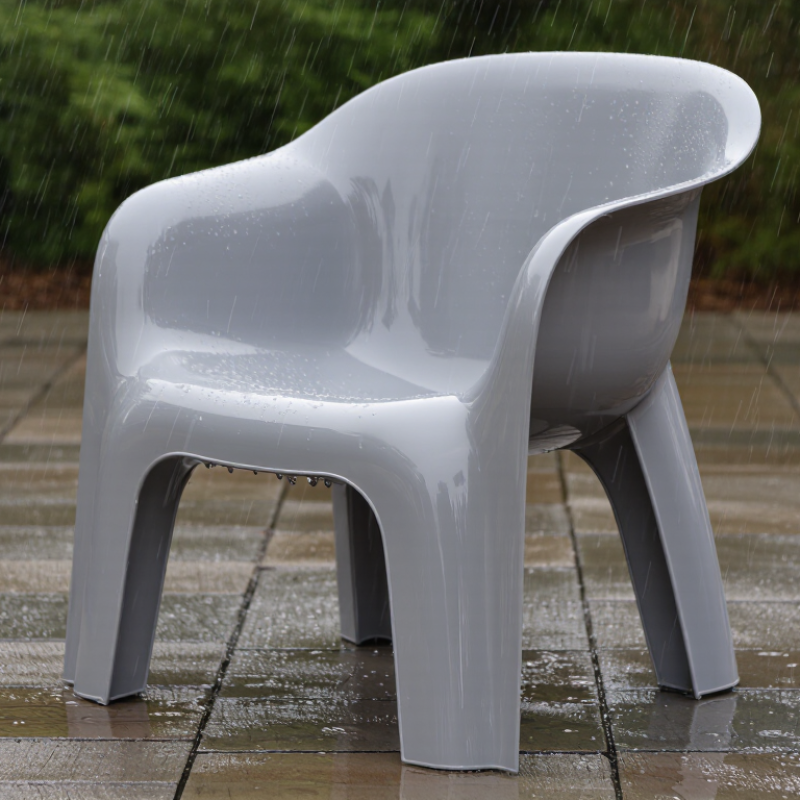
A Rotomolding Chair is made through rotational molding, a process that shapes heated plastic inside a slowly turning mold. The result is often a hollow, one-piece seat with rounded edges and no visible seams. Picture a chair pulled from a garden after rain: water slides from its smooth surface, while its broad legs keep it steady on a patio. Designs vary, so weight capacity, comfort, and weather resistance should be checked against the maker’s specifications.
Rotational-molding educator Glenn Beall is widely associated with practical guidance on the process. A responsible summary of his technical perspective is: “Good rotational molding depends on matching the material, mold, and process to the product.” This is a paraphrase, not a verified verbatim quotation. That distinction matters. A chair’s performance depends on more than its molded shape; wall thickness, resin choice, and quality control also affect durability. A thick-looking shell is not proof of strength.
This guide explores how a Rotomolding Chair is produced, what features to inspect, and where this seating works best. It also considers limitations, including possible flex, surface wear, and less cushioning than upholstered chairs. Some details are easy to overlook. I would not judge a chair by appearance alone: sit in it, check its stability on the floor, and review care instructions before choosing one.
Definition and Core Structure of a Rotomolding Chair
What Is a Rotomolding Chair?
Definition and Core Structure of a Rotomolding Chair
A rotomolding chair is made by heating plastic powder inside a closed mold while the mold rotates on two axes. The softened material spreads along the mold’s inner surface, forming a hollow chair shell as it cools. The result is often a single molded seat and back, rather than several flat pieces joined together. Small differences in wall thickness can occur, so “one-piece” does not always mean perfectly uniform.
The shell provides the main sitting surface and transfers a user’s weight toward the chair’s base. Designers may add molded ribs underneath the seat or behind the backrest to improve stiffness. These ribs are not just decoration. Look beneath the seat: their shape and placement can reveal how the shell is supported. A simple shell may attach to separate legs or a frame through molded mounting points. In other designs, parts of the base are formed with the shell itself.
Details matter. Check the junctions.
A chair’s openings, edges, and attachment points also belong to its core structure. Rounded edges help avoid sharp contact points, while correctly fitted fasteners keep separate supports secure. The inside is generally hollow, which can reduce weight without requiring a solid block of plastic. Still, the exact construction varies by design. A molded chair may feel sturdy at first touch, but a close look at its underside often tells a more useful story.



Get in touch with us,
We will contact you shortly!
What is the difference between Unline(Non-Epoxy Coated) or Lining(Epoxy Coated) Metal Drum?

What are Unline(Non-Epoxy Coated) and Lining(Epoxy Coated) drums compatible with?
What is the difference between Grade A and Grade B Metal Drum ?
What content is suitable to fill in a Recon Grade A or Grade B Drum?
What is the difference between Open Top and Close Top Drums and their usage?
What type of content are Metal or Plastic Drums suitable for?
Will there be any contamination in the reconditioned metal, plastic drums or IBC tanks?
What is the drum gauge(thickness) and weight for reconditioned metal drums?
Do you sell New Packaging Products too?
What additional services do you provide apart from selling reconditioned and new containers.?
Do you offer labelling and silkscreen on the containers ?
Are you able to ship overseas ?
Leading the Way
to Carbon Neutrality