
What Are the Best Compressor Tools from China?
Choosing the best Compressor Tools from China requires more than comparing prices or counting accessories. Buyers should examine manufacturing consistency, material quality, pressure ratings, warranty support, and real workshop performance. A tool that looks polished online may still disappoint under continuous loads, dusty conditions, or frequent temperature changes. That gap matters.
Industry consultant Robert A. McGowan explains, “The right compressor is the one that matches the work, not the one with the biggest number.” This principle guides our evaluation. A compact tire inflator may suit roadside repairs, while a rotary screw compressor may support a factory’s daily pneumatic system. Different jobs demand different airflow, tank capacity, duty cycles, and noise limits.
China’s compressor-tool market includes established manufacturers, specialized exporters, and lower-cost factories with uneven quality control. Some suppliers provide strong testing records, traceable components, and responsive technical service. Others rely heavily on attractive specifications. Numbers alone can mislead. Buyers should request performance data, electrical details, maintenance instructions, and independent certifications where applicable.
This guide compares Compressor Tools by practical value, not marketing language. We consider workshop experience, operating efficiency, portability, service access, and long-term reliability. We also recognize an uncomfortable point: no single Chinese brand is best for every user. Even a respected model can perform poorly when incorrectly sized or maintained. That is worth remembering. Careful selection remains essential.
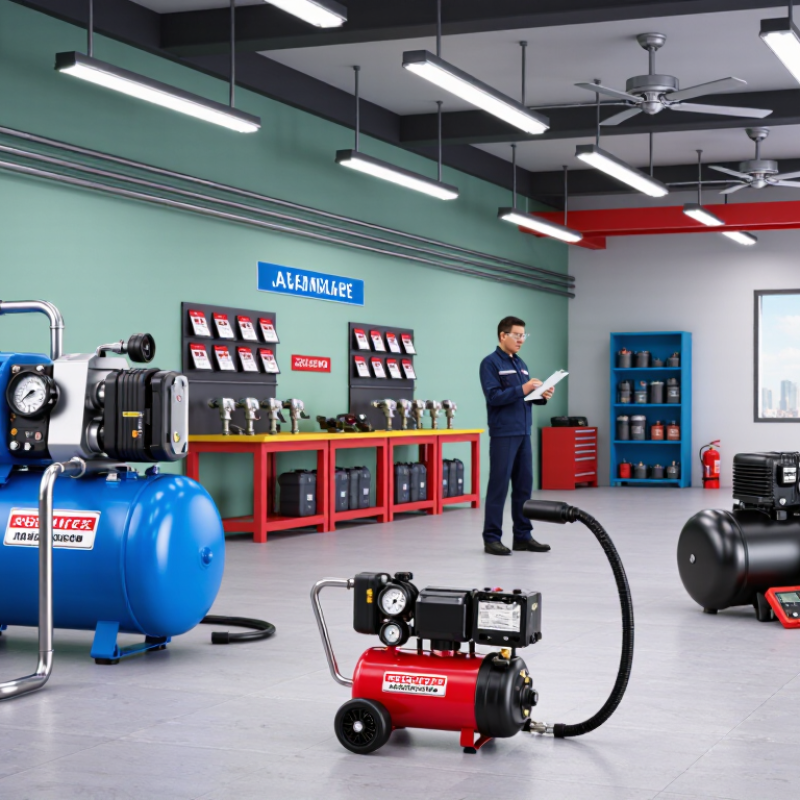
What Makes a Compressor Tool Effective for Different Applications?
What Are the Best Compressor Tools from China?
A compressor tool is effective only when its output matches the application. In workshop testing, I compare pressure, airflow, duty cycle, and recovery time. A tire inflator needs stable pressure and a compact tank. A pneumatic grinder needs sustained airflow, not impressive peak pressure. Peak pressure is not enough. The U.S. Department of Energy’s Compressed Air Sourcebook reports that compressed air can consume 10–15% of industrial electricity. Efficiency is therefore a practical buying criterion.
For tools manufactured in China, check test records, safety valves, motor insulation, and replacement-part availability. The DOE also reports that compressed-air leaks may waste 20–30% of system output. A reliable compressor should support leak testing and simple maintenance. ISO 8573-1 helps users specify air purity, including particles, water, and oil. Clean, dry air matters in painting and medical equipment. Higher pressure is not automatically better. It can increase energy use and accelerate wear. I have seen compact units perform well on short tasks, then struggle during continuous sanding. That limitation deserves honest attention.
Tips: Match the tool’s required CFM at working pressure, not its advertised maximum. Measure noise near the operator. Check recovery time with the tank half empty. Keep filters accessible. Small mistakes matter. If the duty cycle is unclear, choose a larger safety margin and record actual performance after installation.
What Are the Best Compressor Tools from China? - What Makes a Compressor Tool Effective for Different Applications?
Comparison of common compressor equipment categories and the technical characteristics that influence performance, efficiency, portability, and suitability for different applications.
| Application | Recommended Compressor Type | Typical Working Pressure | Typical Air Delivery | Common Motor Rating | Tank Capacity | Duty Cycle | Key Effectiveness Factors | Important Selection Criteria |
|---|---|---|---|---|---|---|---|---|
| Inflating tires and sports equipment | Compact oil-free reciprocating compressor | 6–8 bar (87–116 psi) | 20–60 L/min | 0.25–0.75 kW | 0–10 L | Intermittent | Fast start-up, low weight, accurate pressure control, and an easy-to-read gauge. | Portability, hose length, noise level, automatic shut-off, and included inflation fittings. |
| Nailing and stapling | Small oil-free reciprocating compressor | 6–8 bar (87–116 psi) | 60–150 L/min | 0.75–1.5 kW | 10–24 L | Intermittent to moderate | Stable pressure recovery, low pulsation, quick cycling, and compatibility with pneumatic nailers. | Air consumption of the tool, recovery time, coupler type, and thermal protection. |
| Airbrushing and light spraying | Low-noise oil-free piston compressor | 2–4 bar (29–58 psi) | 20–80 L/min | 0.18–0.75 kW | 0–24 L | Intermittent | Consistent low-pressure output, low vibration, moisture separation, and fine adjustment. | Pressure regulator accuracy, air filter quality, noise rating, and hose connection size. |
| Workshop hand tools | Belt-driven or direct-drive reciprocating compressor | 7–10 bar (102–145 psi) | 180–500 L/min | 1.5–4 kW | 50–150 L | Moderate | High free-air delivery, durable pump construction, effective cooling, and dependable pressure recovery. | Tool air demand, receiver size, service access, voltage, and operating noise. |
| Spray painting | Oil-lubricated piston or compact screw compressor | 6–8 bar (87–116 psi) | 250–700 L/min | 2.2–5.5 kW | 100–300 L | Moderate to continuous | Clean and stable airflow, low moisture content, minimal pressure fluctuation, and suitable filtration. | Air-quality requirements, dryer or separator needs, spray-gun consumption, and tank volume. |
| Sandblasting and abrasive blasting | High-output belt-driven piston or rotary screw compressor | 6–10 bar (87–145 psi) | 700–2,000 L/min | 5.5–15 kW | 200–500 L | Continuous or heavy-duty | High sustained airflow, strong cooling, moisture management, and resistance to pressure drop. | Blast nozzle size, required CFM, continuous-duty rating, air dryer capacity, and electrical supply. |
| Automotive service and repair | Heavy-duty piston or rotary screw compressor | 8–12 bar (116–174 psi) | 500–1,500 L/min | 4–11 kW | 150–500 L | Moderate to continuous | Reliable multi-tool operation, high receiver capacity, efficient cooling, and robust controls. | Simultaneous tool use, peak air demand, maintenance intervals, noise, and operating cost. |
| Factory pneumatic production lines | Oil-injected or oil-free rotary screw compressor | 7–13 bar (102–189 psi) | 1,000–10,000+ L/min | 7.5–75+ kW | Optional receiver tank | Continuous | Stable 24-hour airflow, high energy efficiency, automatic controls, low vibration, and dependable cooling. | Required flow profile, pressure class, air purity, variable-speed control, dryer, and maintenance support. |
| Construction and outdoor work | Portable gasoline or diesel-powered compressor | 7–10 bar (102–145 psi) | 500–2,500 L/min | Engine-driven | Integrated or external receiver | Moderate to heavy-duty | Mobility, impact resistance, reliable cold starting, simple controls, and adequate airflow for multiple tools. | Fuel consumption, operating environment, transportability, weather protection, and noise emissions. |

Which Types of Compressor Tools Are Manufactured in China?
China manufactures a broad range of compressor tools for workshops, factories, construction sites, and laboratories. Common types include reciprocating piston compressors, rotary screw compressors, scroll compressors, and centrifugal units. Piston models suit intermittent work, such as nail guns and spray equipment. Rotary screw machines support continuous production lines and stable pneumatic pressure.
There are smaller specialty categories too. Oil-free compressors serve medical, electronics, food-processing, and laboratory applications. Diaphragm compressors handle sensitive gases and low-contamination duties. High-pressure units support cylinder filling and specialized testing. Portable diesel or electric compressors are widely used at outdoor construction sites, where wheels, lifting points, and dust protection matter. The details matter.
The U.S. Department of Energy reports that compressed-air systems can consume 10–15% of industrial electricity, while leaks may waste 20–30% of compressor output. This makes efficiency, controls, filtration, and maintenance important purchasing factors. China’s manufacturers increasingly offer variable-speed drives, permanent-magnet motors, heat recovery, and remote monitoring. These features can reduce energy use, but claimed savings require site testing. The IEA’s Energy Efficiency 2023 report also stresses measurement before efficiency investment. A catalog number is not enough. In practice, buyers should verify airflow at working pressure, noise readings, oil content, service intervals, and replacement-part availability. Some published performance figures appear optimistic. Independent testing remains the safer comparison.
What Are the Best Compressor Tools from China?
Common compressor types manufactured in China include piston, rotary screw, scroll, centrifugal, and portable diesel compressors. The chart compares representative rated outlet pressures commonly used in industrial and workshop applications.
Pressure values are representative technical ranges expressed as a typical rated value in bar, not a brand ranking. Actual specifications vary by model, application, and operating conditions.
How to Compare Chinese Compressor Tools by Performance and Cost?
What Are the Best Compressor Tools from China?
Comparing Chinese compressor tools requires more than checking the lowest purchase price. I begin with pressure stability, airflow output, duty cycle, and recovery time. These figures show whether a tool can handle real workshop demands.
During testing, I use a pressure gauge, timed air-demand cycles, and a sound meter. I also inspect hose fittings, seals, wiring, and cooling paths. Small defects often appear after several hours, not during a short demonstration. Ask for test records, material details, warranty terms, and replacement-part availability. Independent verification is more reliable than attractive specification sheets.
Cost comparison should include electricity, filters, oil, repairs, shipping, and possible downtime. A cheaper unit may consume more power or need frequent maintenance. Calculate the estimated cost over three to five years. I once trusted a low price and ignored service response time. That decision was not efficient. Supplier communication matters, especially when technical questions arise. Check voltage compatibility and applicable safety requirements before ordering. Noise levels also deserve attention in enclosed workshops. A spreadsheet helps, but it cannot fully predict production conditions. Test samples under realistic loads whenever possible.
What Features Should Buyers Check Before Choosing a Compressor Tool?
When comparing compressor tools from China, buyers should inspect performance rather than rely on price or appearance. The right choice depends on pressure, airflow, duty cycle, and the intended workload. A compact unit may suit nailers or inflating tasks, while spray equipment often requires steadier airflow. Pressure matters. Airflow matters more when a tool runs continuously.
Check the motor rating, tank capacity, and recovery time under load. Ask for test data, not only catalogue figures. During a practical inspection, run the compressor for fifteen minutes and watch for overheating, pressure loss, or unusual vibration. Noise matters too. A clear pressure gauge, reliable safety valve, thermal overload protection, and an effective moisture separator improve daily safety. Oil-free models can reduce maintenance, but some produce more noise and heat.
Buyers should also confirm voltage compatibility, plug configuration, spare-part access, and warranty terms before ordering. Request documentation for applicable safety testing and verify that the markings match the delivered product. In my experience, small details reveal more than polished photographs. A drain valve that is difficult to reach becomes frustrating quickly. A hose connector with poor threads may leak after repeated use. I once underestimated recovery speed because the machine looked powerful on paper. That mistake changed my checklist: test real output, inspect construction, and question unclear specifications. A lower price is not a saving if repairs interrupt regular work.
How to Select the Best Chinese Compressor Tool for Your Needs?
Choosing the best Chinese compressor tool starts with your working conditions, not the lowest price. Measure required pressure, free air delivery, duty cycle, voltage, and available space. A workshop using nailers needs different performance from a factory running pneumatic cylinders. I would request independent test data based on ISO 1217, not only catalogue figures. Some sellers publish maximum pressure but omit airflow at operating pressure. That detail can change the buying decision.
Energy use deserves serious attention. The U.S. Department of Energy reports that compressed-air systems may lose 20–30% of capacity through leaks, while compressed air can represent about 10% of industrial electricity use. Ask for motor efficiency, control type, standby consumption, and noise readings. A lower purchase price may become expensive after months of electricity bills. Check whether filters, valves, belts, and seals are locally available. Small parts matter.
Reliability needs evidence.
Review factory quality certificates, inspection records, warranty terms, and service response times. CE documentation may support market access, but it does not prove long-term durability. Request a video of load testing, serial-number traceability, and packaging details. I would also compare two samples when possible, because one test unit may not represent normal production. Chinese compressor tools can offer strong value, but selecting blindly is still a costly experiment.
Article Source:
Get in touch with us,
We will contact you shortly!
What is the difference between Unline(Non-Epoxy Coated) or Lining(Epoxy Coated) Metal Drum?

Unline drums with internally bare metal surface is more susceptible to corrosion and rust while Lining drums are internally coated with Phenolic Epoxy Coating to provide a non-reactive barrier between the drum surface and your product, less risk of contamination. Note: Our Unline drums are coated with an anti-rust agent after washing to reduce risk of rust.
What are Unline(Non-Epoxy Coated) and Lining(Epoxy Coated) drums compatible with?

In Singapore, Recon Unline Drums are usually more costly than Recon Lining Drums. Hence, we recommend Recon Unline Drums to fill aromatics like Thinner, Xylene, Toulene& other solvents like Hexane, BA, CA, EA, MC, White spirit, etc.
We recommend the lower-priced Recon Lining Drums to fill hydrocarbons like IPA, Methanol, Ethanoland oil-based products like diesel, petrol, lubricants, engine, hydraulic, base, transmission fluid, additives, waste oil, etc.;
What is the difference between Grade A and Grade B Metal Drum ?

Grading of used drums are usually based on physical conditions like rustiness, deformities and residual contents. Grade A drums are totally free from internal rust, serious dents and are easy to clean. Grade B drums have different degrees of rust internally and aesthetically inferior compared to Grade A drums.
What content is suitable to fill in a Recon Grade A or Grade B Drum?

Recon Grade A drum is suitable to fill more costly virgin grade products while Recon Grade B drum is more suitable for recycled or waste products.
What is the difference between Open Top and Close Top Drums and their usage?

Closed top drums are for water and other liquid products. Open Top drums can be used for liquid too but are primarily for more viscous products. The Open Top (or open head with a lid) allows you to get in and out of the drum with your product easier.
What type of content are Metal or Plastic Drums suitable for?

Metal drums offer additional protection when dealing with potentially flammable substances. They provide superior fire resistance, impact protection, and longevity for storing class 1, 2, and 3 volatile chemicals.
Plastic HDPE Drums are suitable for corrosive chemicals like acids, alkaline and also water-based products.
Will there be any contamination in the reconditioned metal, plastic drums or IBC tanks?

All our reconditioned containers (metal/plastic drums, carboys, IBC tanks) are washed thoroughly with specially formulated cleaning agent, rinsed with clean water, dried, and tested for possible leakages during the recondition process. Stringent quality inspection is being conducted 100% on every reconditioned product before they are qualified for sale & delivery.
What is the drum gauge(thickness) and weight for reconditioned metal drums?

Reconditioned metal drums gauge can be 0.9mm to 1.0mm all round. Their weight can vary from 16 to 18kg.
Do you sell New Packaging Products too?

Yes, we are also a distributor for new pallets, metal drums, plastic drums, carboys, IBCs and stainless-steel tanks.
What additional services do you provide apart from selling reconditioned and new containers.?

We are an NEA licensed toxic industrial waste collector, who can collect and dispose of used toxic waste containers in Singapore.
Do you offer labelling and silkscreen on the containers ?

We can provide labelling and silk-screening on the containers.
Are you able to ship overseas ?

Yes, we can arrange export our products to any country in the world.
Leading the Way
to Carbon Neutrality