How to Use HPMC in Food and Pharmaceutical Applications?
Hydroxypropyl methylcellulose (HPMC) has become a vital ingredient in both food and pharmaceutical sectors. Its versatility allows it to serve numerous functions, including as a thickener, emulsifier, and stabilizer. Dr. Emily Thompson, an expert in food science, emphasizes the importance of HPMC by stating, “The right use of HPMC can transform product texture and consistency.”
When considering HPMC’s role, it’s crucial to understand its impact on end products. In food applications, it enhances shelf life and improves mouthfeel. In pharmaceuticals, HPMC helps control drug release and improves formulation stability. However, the effectiveness of HPMC largely depends on its concentration and the specific system it is used in. It’s not always straightforward, and miscalculations can lead to undesirable textures or ineffective drug delivery systems.
Many manufacturers struggle with HPMC integration, as its properties can vary based on sourcing and processing conditions. This variability introduces a level of uncertainty in application. There is much to learn and refine in using this compound effectively. Understanding how to harness HPMC’s full potential requires careful experimentation and adaptation.
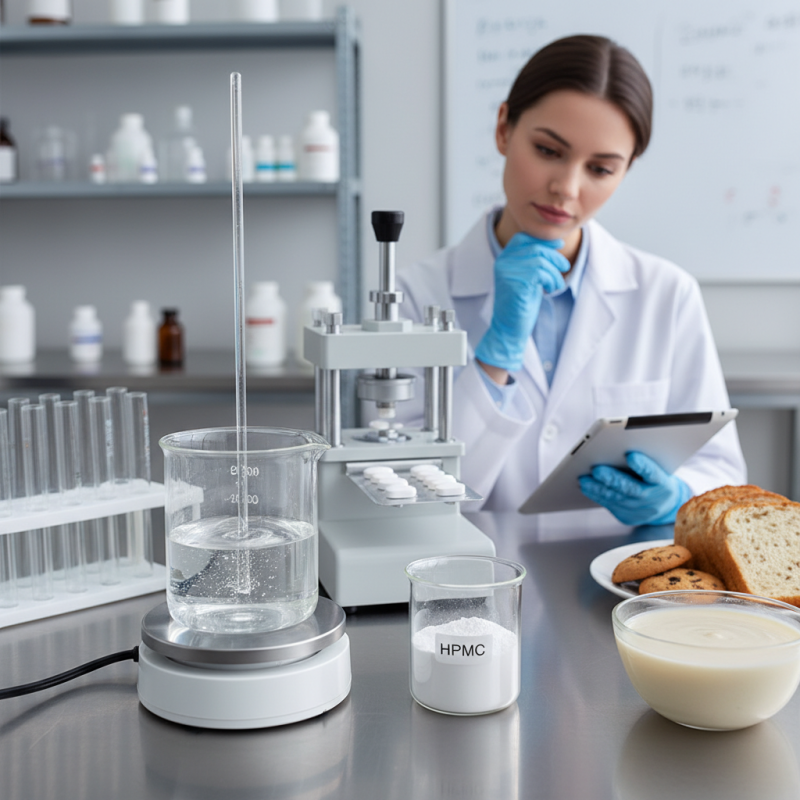
Understanding HPMC: Overview and Properties
HPMC, or Hydroxypropyl Methylcellulose, is a versatile polymer widely used in food and pharmaceutical sectors. This ingredient serves as a thickener, emulsifier, and stabilizer. It is derived from cellulose, making it a plant-based option. Its ability to form gels and films adds to its appeal. In food applications, HPMC can improve texture and moisture retention.
HPMC offers unique properties like solubility in cold water. This feature makes it suitable for instant products. Moreover, it is non-toxic and safe for consumption. However, not all grades of HPMC perform equally well in every scenario. It's essential to select the right type based on the specific need. Some formulations may require trial and error to achieve optimal results.
In pharmaceuticals, HPMC plays a crucial role as a binder and release agent. It aids in formulating tablets and capsules, providing controlled release of active ingredients. However, overuse of HPMC can lead to unanticipated results. It’s essential to experiment with concentration levels. This ensures that the desired effect is achieved without compromising the product’s efficacy.
Applications of HPMC in Food Industry
Hydroxypropyl Methylcellulose (HPMC) is becoming pivotal in the food industry. Its versatility in food applications is well-documented. According to a recent report, HPMC usage in food products is projected to grow by 5.5% annually through 2026. This growth is driven by its unique properties such as viscosity enhancement and water retention.
HPMC is often employed as a thickening agent in sauces and dressings. It improves texture and stability without affecting taste. In baked goods, HPMC contributes to moisture retention, prolonging shelf life. Research indicates that up to 70% of consumers would prefer products featuring clean label ingredients. HPMC meets these expectations by serving as a plant-based alternative to synthetic additives.
However, challenges persist. Some consumers are still unfamiliar with HPMC. It can be difficult for manufacturers to communicate its benefits effectively. The food industry must find ways to educate consumers on this ingredient. Misunderstandings could limit HPMC’s market potential. A thorough exploration of its applications will be essential for maximizing its advantages in food formulations.
Utilizing HPMC in Pharmaceutical Formulations
Hydroxypropyl Methylcellulose (HPMC) is a versatile ingredient in pharmaceutical formulations. It plays a critical role as a binder, thickener, and film-forming agent. These properties make HPMC valuable in creating both solid and liquid dosage forms. According to industry reports, 45% of pharmaceutical formulations incorporate excipients like HPMC due to their performance and stability.
HPMC’s ability to enhance drug release is notable. This polymer can control the release of active ingredients in extended-release tablets. Studies reveal it can improve bioavailability, making medications more effective. Furthermore, HPMC is non-toxic and compatible with various drugs, which adds to its appeal in formulating safe pharmaceuticals.
Tips: When using HPMC, consider the viscosity levels required for your formulation. Adjusting the concentration can significantly impact its performance. Remember, stability testing is essential. It helps to understand how HPMC interacts with other ingredients over time. It’s worth noting that not all grades of HPMC work the same way. Experimentation may be necessary to find the right fit for your specific needs.
Advantages of HPMC in Food and Drug Manufacturing
Hydroxypropyl methylcellulose (HPMC) is an important excipient used in food and pharmaceutical formulations. One key advantage of HPMC in food manufacturing is its thickening and emulsifying properties. This thickener improves the texture of sauces, dressings, and other food products. Besides consistency, HPMC helps stabilize emulsions, which enhances the overall quality of processed foods.
In pharmaceuticals, HPMC is renowned for its binding and film-forming capabilities. It is often used in tablet formulations, providing structural integrity. Its ability to control the release of active ingredients make it invaluable. Many companies struggle with finding the right balance of HPMC to ensure optimal performance. HPMC can also modify the drug release rate, but incorrect usage may lead to inconsistent results. Some manufacturers have reported issues with variations in drug dissolution rates, indicating the need for careful formulation adjustment.
In both industries, HPMC allows for gluten-free and vegan options, attracting health-conscious consumers. However, the sourcing of HPMC can be tricky. It requires attention to quality and consistency in production to avoid potential flaws in end products. This aspect makes HPMC a double-edged sword; while versatile, it demands meticulous oversight during formulation.
Utilization of HPMC in Food and Pharmaceutical Applications
Best Practices for HPMC Usage in Various Applications
Hydroxypropyl methylcellulose (HPMC) offers unique properties for food and pharmaceutical applications. It acts as a thickener, emulsifier, and stabilizer. Using HPMC effectively can enhance product quality and performance.
In food applications, HPMC helps maintain texture and moisture in baked goods and sauces. It can replace traditional fats and oils, which might not always yield the best results. When substituting, start with small amounts. Gradually adjust to find the optimal balance for taste and texture.
**Tips:** Always test HPMC in small batches. This approach prevents larger production issues later on.
For pharmaceutical uses, HPMC is crucial in drug formulations. It can control the release of active ingredients. However, inconsistent mixing may lead to uneven results. Be mindful of the mixing technique. Stick with established practices to avoid unexpected outcomes.
**Tips:** Document mixing times and conditions. This habit helps track what works and what doesn’t.
In both sectors, ensure the chosen HPMC grade meets specific formulation needs. Adjusting particle size can impact thickening properties and binding efficacy. Pay attention to these details; they can make all the difference.
How to Use HPMC in Food and Pharmaceutical Applications? - Best Practices for HPMC Usage in Various Applications
| Application Area | HPMC Type | Usage Level (%) | Functionality |
| Food Industry | HPMC E5 | 0.5 - 2.0 | Thickening Agent |
| Pharmaceuticals | HPMC K4M | 1.0 - 5.0 | Binder/Film Forming |
| Bakery Products | HPMC E15 | 0.3 - 1.5 | Moisture Retention |
| Cosmetics | HPMC E9 | 0.2 - 3.0 | Stabilizer/Emulsifier |
| Dairy Products | HPMC K100 | 0.5 - 2.5 | Texture Improvement |