
What Are the Top Types of Polyprop Bags?

Choosing the right packaging material can influence product protection, handling, storage, and transport costs. Polyprop Bags remain popular because polypropylene combines low weight with practical strength. However, the best option depends on the product, filling process, storage environment, and expected load.

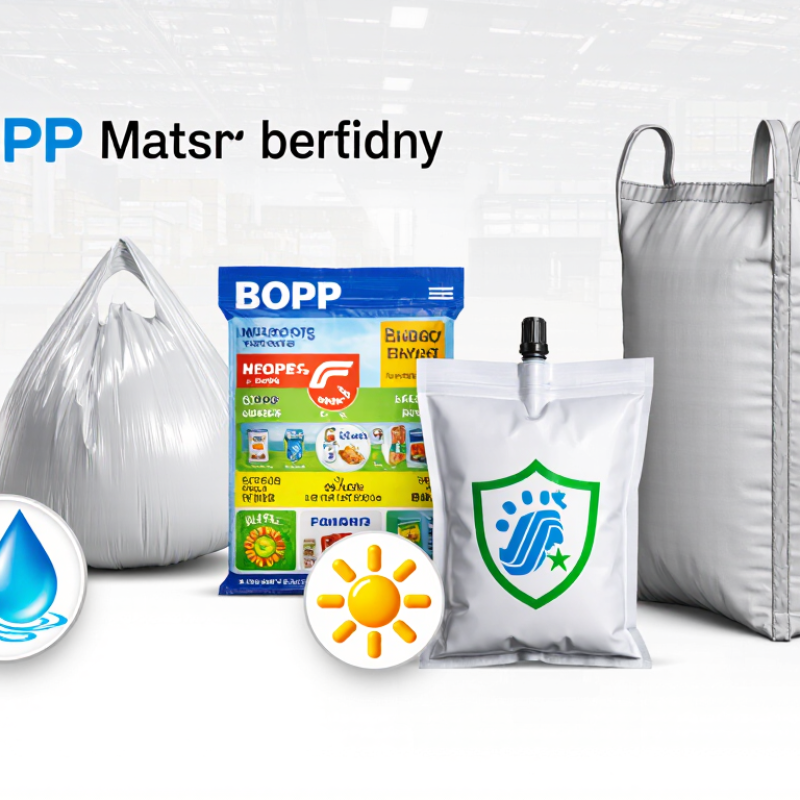
Common types include woven polypropylene bags, laminated woven bags, BOPP printed bags, valve bags, and bulk FIBCs. Woven bags suit grains, animal feed, fertilizer, and other dry goods. Laminated versions add a smoother surface and improved moisture resistance. BOPP bags provide sharper graphics for brands that need detailed product printing. Valve bags support faster, cleaner filling in industrial facilities. FIBCs handle larger volumes, often reaching several hundred kilograms per unit.

Small details matter. A warehouse manager may notice weak seams before a designer notices poor printing. Bag strength depends on fabric weight, denier, stitching, coating, and handle construction. Storage conditions matter too. Direct sunlight can weaken polypropylene over time, especially when bags lack suitable UV protection. That detail is easy to miss.

No single bag wins every application. That assumption often fails.

A reliable selection process compares load capacity, moisture exposure, closure style, printing needs, and recycling considerations. Experienced suppliers should provide clear specifications, test information, and sample bags for evaluation. It is also wise to test filled bags during stacking and movement, rather than trusting a catalogue alone. This guide examines the leading Polyprop Bags types and explains where each design performs best, where it may fall short, and how practical testing can support a safer purchasing decision.
What Are the Top Types of Polyprop Bags?

What Are Polypropylene Bags and How Are They Classified?

Polypropylene bags are flexible containers made from polypropylene, a lightweight thermoplastic resin. They are commonly classified by construction, coating, and intended load. This method is more useful than judging a bag by appearance alone.

Woven polypropylene bags use flat or circular tapes interlaced into a strong fabric. They suit rice, animal feed, fertilizer, and other dry bulk materials. Their surface may feel slightly ribbed.

Non-woven bags use bonded fibers instead of woven strips. They are softer and often chosen for shopping, storage, or garment packaging. They usually carry lighter loads.

Laminated bags add a thin film layer to improve moisture resistance and print quality. A woven bag with an inner liner gives extra protection against humidity and fine powders.

Gusseted bags have folded side panels, allowing them to stand and hold more volume. Larger industrial versions may include lifting loops, discharge spouts, or reinforced seams.

Classification can overlap. A bag may be woven, laminated, gusseted, and valve-sealed at the same time. This is where specifications matter. Check fabric weight, seam strength, opening style, dimensions, and safe working load.

I once treated a thick-looking bag as automatically stronger, but that assumption was incomplete. Tape quality and stitching can matter more than surface thickness. Even a small seam gap can cause product loss during stacking and transport. Moisture, sharp edges, and repeated handling should also guide the selection.


What Are the Main Types of Woven Polypropylene Bags?

Woven polypropylene bags come in several forms, each designed for a different handling need. The most common type is the standard open-mouth sack. It works well for grains, animal feed, powder, and many dry materials. These bags are lightweight, strong, and easy to stack. Simple and dependable.

Laminated woven bags add a thin protective coating to the fabric. This layer helps resist moisture, dust, and minor surface damage. It can also improve printing quality. However, a glossy surface does not guarantee complete waterproofing. Open-mouth sacks are filled from the top and then sewn or heat-sealed. Valve bags fill through a side valve, reducing product loss during automatic packing. Their valves require careful inspection. A small defect matters.

For larger loads, bulk woven bags, often called flexible intermediate bulk containers, provide practical storage and transport. Their lifting loops must match the equipment and expected load. Stitching, fabric strength, and load balance deserve close attention. From packaging evaluations, I find that bag selection often depends on filling speed, storage conditions, and handling frequency. A bag may pass a basic inspection but fail during rough movement. That weakness is easy to overlook. Reliable checks should include seam strength, drop resistance, moisture exposure, and safe working load. Some specifications look convincing. Real handling can disagree.

How Do Nonwoven Polypropylene Bags Differ from Woven Bags?

What Are the Top Types of Polyprop Bags?

Nonwoven polypropylene bags are made by bonding short fibers with heat and pressure. Their surface feels soft, almost like fabric, but the material does not have interlaced threads. This gives them a clean printed face and a lighter handle. They suit shopping totes, promotional bags, and packaging that needs a neat appearance. Smithers’ 2024 nonwovens outlook identifies hygiene, packaging, and consumer products as major demand areas. That demand supports nonwoven PP, although market forecasts vary by region.

Woven polypropylene bags use flat tapes arranged in crossing directions. Look closely, and you can see the grid. This structure usually provides stronger tear resistance and better load performance. Grain, feed, construction materials, and bulk products often use woven sacks. The 2023 PlasticsEurope report recorded 413.8 million tonnes of global plastics production, showing the scale of the material system behind these products. Yet total production does not prove that every PP bag is sustainable.

Performance depends on coating, stitching, handles, and reuse. A laminated woven bag can resist moisture better, while an uncoated nonwoven bag may absorb spills around its seams. In practical testing, I would check handle stretch, seam pull, abrasion, and load weight before choosing. Simple details matter.

The weaker assumption?

A thicker bag is not automatically better. Repeated use, repairability, and collection access should also influence the decision. Industry reports provide useful direction, but real performance still needs product-specific testing.

Which Polypropylene Bag Types Suit Specific Applications?

What Are the Top Types of Polyprop Bags?

Which Polypropylene Bag Types Suit Specific Applications?

Polypropylene bags work best when their construction matches the product’s weight, moisture, and handling conditions. Woven polypropylene bags suit rice, animal feed, grain, and building materials. Their woven strips provide strength and ventilation. For dusty powders, valve bags allow faster filling and cleaner stacking. They are useful for cement, mineral powders, and dry chemical materials.

Laminated BOPP bags offer sharper printing and better moisture resistance. They suit pet food, garden products, and retail packaging where shelf appearance matters. FIBC bags, often called bulk bags, handle large quantities of pellets, powder, or agricultural goods. Their lifting loops support forklift movement. However, they need proper load ratings and careful inspection. A bag that looks strong may still fail under uneven loading. I once underestimated corner stress during a packing test. The result changed our handling procedure.

Tips: Match bag strength to the product’s actual weight, not its average weight. Check seam quality, liner needs, and storage humidity. Use breathable woven bags for warm products when condensation is possible. Choose a liner for fine powders or moisture-sensitive contents. Clear polypropylene bags can help display small goods, but they offer less protection from light. Test filled bags on pallets before large-scale use. Small trials often reveal problems that specifications miss.

What Are the Top Types of Polyprop Bags? - Which Polypropylene Bag Types Suit Specific Applications?
Polypropylene Bag Type Typical Construction Key Functional Characteristics Moisture and Ventilation Performance Best-Fit Applications Main Advantages Important Considerations
Woven Polypropylene Bags Interwoven polypropylene tapes forming a strong, flexible fabric; may be supplied uncoated or with an inner liner. Good tensile strength, tear resistance, stacking stability, and resistance to many common chemicals. Uncoated fabric allows some air exchange but is not a liquid or fine-powder barrier. A liner or coating improves moisture and dust protection. Rice and grains Animal feed Seeds Minerals Construction materials Reusable in suitable handling conditions, lightweight, durable, and available in many sizes and closures. Uncoated versions can allow moisture, dust, or very fine particles to pass through. Seam design and fabric specifications affect load performance.
Laminated Woven PP Bags Woven polypropylene fabric combined with a polypropylene film or another compatible laminated layer. Higher resistance to surface moisture, scuffing, printing abrasion, and product leakage than standard uncoated woven bags. Provides improved moisture and dust resistance, although the bag is not automatically fully waterproof unless the complete design is sealed appropriately. Flour Sugar Powdered chemicals Pet food Retail packaging Combines woven strength with a smoother printable surface and better protection from external contamination. Lamination can reduce breathability and may complicate recycling when different materials are permanently combined.
BOPP-Laminated PP Bags Woven PP substrate laminated with biaxially oriented polypropylene film, usually with high-quality printed graphics. Strong load-bearing structure, good scuff resistance, sharp graphics, and improved shelf presentation. Good resistance to surface moisture and dust; internal liners or sealed closures may still be needed for hygroscopic products. Premium pet food Fertilizer Animal feed Garden products Consumer-facing goods High visual quality, durable construction, and useful protection during transport and storage. Usually costs more than plain woven bags. Multi-layer construction should be assessed against the intended recycling system.
PP Valve Sacks Woven or laminated PP sack with a filling valve that is closed by the filling process or by subsequent sealing. Fast, clean filling; consistent shape; reduced open-mouth spillage; suitable for automated packing lines. Laminated or lined versions provide better dust and moisture control than uncoated versions. Closure quality is critical. Cement Mortar Dry mixes Mineral powders Industrial powders Efficient filling, neat pallet appearance, and reduced product loss during handling. Requires compatible filling equipment. Valve dimensions, sack porosity, and closure method must match the product and line speed.
PP Open-Mouth Sacks Woven PP body with an open top, commonly closed by stitching, heat sealing, sewing, or a folded-and-stitched finish. Simple format with flexible filling options and compatibility with manual or semi-automatic packing. Protection depends on the fabric, liner, coating, and final closure. The open top is more exposed before closing. Grain Feed Potatoes Fertilizer Industrial materials Versatile, widely available, easy to customize, and suitable for different closure styles. Stitched closures may allow dust leakage or moisture entry unless a liner, tape, or suitable sealing method is used.
PP Mesh Bags Open-mesh or net-like polypropylene fabric designed to expose much of the product surface to air. Lightweight, flexible, breathable, and useful where visibility and air circulation are more important than fine-particle containment. High ventilation; offers little protection from rain, humidity, dust, or small particles. Onions Potatoes Garlic Firewood Produce handling Reduces condensation risk, makes contents visible, and supports airflow during short-term storage and transport. Not suitable for powders, fine granules, or products requiring strong moisture protection. Mesh opening size should match the product.
PP Leno Bags Open, leno-style woven structure that combines relatively stable mesh openings with flexible polypropylene tapes. Good ventilation, visibility, and resistance to splitting when properly manufactured and filled within specification. Highly breathable and only minimally protective against water, dust, and fine contamination. Fresh produce Shellfish Wood products Agricultural goods Helps maintain airflow and allows visual inspection of the contents. Open construction is unsuitable for moisture-sensitive goods, powders, and products requiring an airtight or dust-tight package.
FIBC Bulk Bags Large flexible intermediate bulk container made from woven PP fabric, commonly with lifting loops, filling openings, and discharge outlets. Designed for handling and transporting large quantities, often from several hundred kilograms to approximately 2,000 kg depending on the specification. Uncoated fabric is breathable; coated fabric, liners, and specialized seams can improve protection against moisture and fine particles. Resins Grains Minerals Fertilizer Waste materials High volume capacity, efficient pallet and warehouse use, and reduced packaging material per unit of product. Must be selected according to safe working load, safety factor, lifting method, filling system, discharge design, and product hazards.
PP Sandbags Woven polypropylene bag, generally with an open mouth for filling and a stitched or folded closure. Lightweight, economical, resistant to rot, and suitable for temporary containment of sand or similar granular materials. Fabric resists decay but does not create a waterproof barrier; prolonged exposure to sunlight can degrade untreated PP. Flood control Erosion control Temporary barriers Landscaping Easy to transport empty, quick to fill, and suitable for short-term outdoor use. Not intended as a permanent structural solution. UV stabilization, filling level, stacking method, and environmental exposure affect service life.
PP Bags with Inner Liners Woven or laminated PP outer bag fitted with a separate polyethylene or polypropylene liner. Improved containment of fine powders, reduced product migration, and better control of moisture and contamination. Generally better barrier performance than unlined bags; the exact protection depends on liner material, thickness, fit, and closure. Hygroscopic powders Food ingredients Pigments Fine chemicals Powdered minerals Combines the mechanical strength of woven PP with improved internal product protection. Additional components can increase cost and affect recyclability. Food or chemical applications require suitable compliant materials and closures.
Selection should consider product form, required load, filling equipment, moisture sensitivity, ventilation, closure method, storage duration, handling conditions, and applicable safety or food-contact requirements.

What Factors Help You Choose the Right Polypropylene Bag?

What Are the Top Types of Polyprop Bags?

Polypropylene bags come in several practical forms. Woven bags suit rice, grain, feed, and other heavy materials. Their crossed tape structure provides strength and allows limited airflow. Laminated woven bags resist moisture better and support clearer surface printing. Nonwoven polypropylene bags feel softer and work well for shopping, storage, and promotional uses. Valve bags can fill quickly, but they need compatible filling equipment.

The right bag depends on more than appearance. Start with the product’s weight, texture, and moisture level. Sharp particles may require thicker fabric or an inner liner. Powdered goods often need tighter seams to reduce leakage. Measure the filling volume carefully. An oversized bag may collapse, while a small bag can strain at the seams. Check the lifting method, stacking height, and transport distance. Handles, stitching, and closure style matter during repeated handling.

Environmental conditions also influence the choice. Outdoor storage may require UV-resistant material and stronger moisture protection. For ventilated goods, a breathable woven structure can prevent trapped heat. Ask for a sample and test it with the actual product. Inspect seam tension, fabric thickness, and filling performance. This step catches problems that specifications may miss. A perfect choice does not exist. I have seen durable bags fail when their dimensions ignored pallet space. Cost matters, but replacing damaged contents costs more. Reusable construction may help, although cleaning and storage must be realistic.

Get in touch with us,
We will contact you shortly!

Get in touch with us by filling up the enquiry form. We will contact you shortly!

    What is the difference between Unline(Non-Epoxy Coated) or Lining(Epoxy Coated) Metal Drum?

    What are Unline(Non-Epoxy Coated) and Lining(Epoxy Coated) drums compatible with?

    What is the difference between Grade A and Grade B Metal Drum ?

    What content is suitable to fill in a Recon Grade A or Grade B Drum?

    What is the difference between Open Top and Close Top Drums and their usage?

    What type of content are Metal or Plastic Drums suitable for?

    Will there be any contamination in the reconditioned metal, plastic drums or IBC tanks?

    What is the drum gauge(thickness) and weight for reconditioned metal drums?

    Do you sell New Packaging Products too?

    What additional services do you provide apart from selling reconditioned and new containers.?

    Do you offer labelling and silkscreen on the containers ?

    Are you able to ship overseas ?

    Leading the Way
    to Carbon Neutrality

    Drumming sustainability into every aspect of our operations, we strive to create a greener and more conscious future for generations to come.
    Contact Us
    WhatsApp
    Email
    Join Our Newsletter

    Sign up for our newsletter for exclusive discounts and latest news of new launches!

      Logo Logo Logo Logo Logo
      Scroll to Top