
What Are the Top Types of Abrasive Flap Discs?

Choosing the right abrasive disc can change grinding speed, surface quality, and operator control. The choice matters.

An Abrasive Flap Disc combines overlapping abrasive flaps with a firm backing plate. This structure supports steady material removal and smoother finishing than many traditional grinding wheels. In practical workshop use, the result depends on more than grit size. Grain type, disc shape, backing material, and workpiece metal all influence performance.

This guide examines the top types of abrasive flap discs, including zirconia alumina, ceramic alumina, aluminum oxide, and silicon carbide options. Each type serves a different purpose. Zirconia alumina often handles heavy grinding on carbon steel and stainless steel. Ceramic grains can cut aggressively while resisting heat during demanding applications. Aluminum oxide remains a practical choice for general-purpose work. Silicon carbide may produce cleaner results on non-ferrous materials and delicate surfaces.

Not every workshop agrees.

Experienced users also consider flap density, angle, ventilation, and pressure. Excessive pressure can shorten disc life and create unnecessary heat. A disc that performs well on a steel weld may behave poorly on aluminum. That assumption fails.

Reliable selection requires checking the manufacturer’s specifications and matching the disc to the tool’s rated speed. Operators should also inspect the disc before use and wear suitable protective equipment. The “best” type is rarely universal. It depends on the material, finish, workload, and the user’s technique. Understanding these differences makes purchasing decisions more consistent and safer.
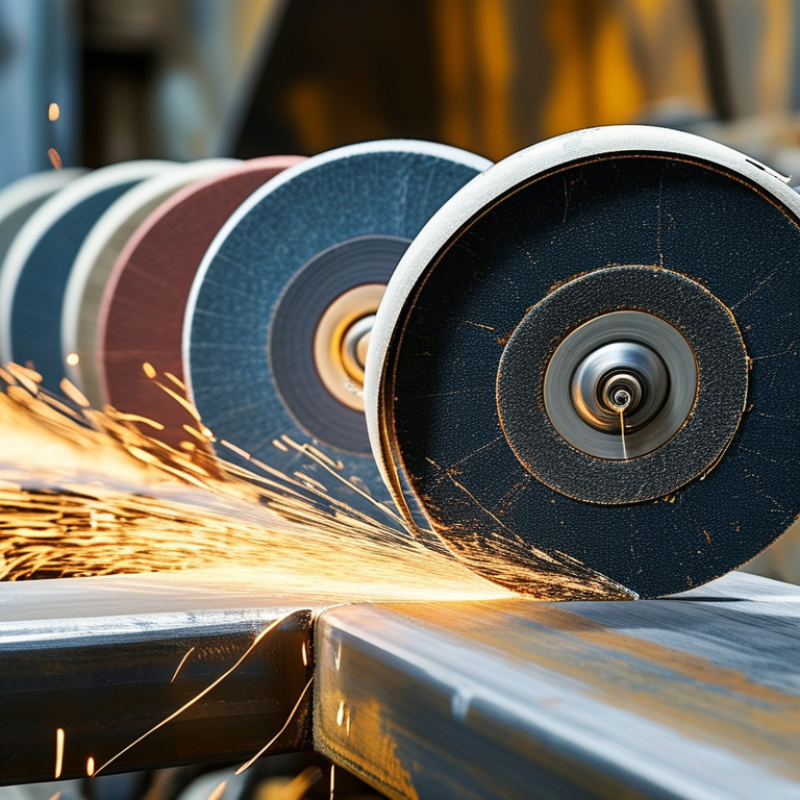
What Are the Top Types of Abrasive Flap Discs?

Abrasive Flap Disc Basics: Coatings, Grits, and EN 13743 Safety Classes

Abrasive flap discs combine overlapping abrasive cloth flaps with a rigid backing plate. Their performance depends on coating, grit, and disc shape. Aluminum oxide suits general steel grinding and light deburring. Zirconia cuts harder and stays effective under heavier pressure. Ceramic grain removes material quickly, especially on stainless steel, but it needs firm contact. Silicon carbide leaves a finer finish on non-ferrous metals and some painted surfaces.

Grit controls the surface result. Coarse P36 or P40 grits remove weld beads and deep rust quickly. Medium P60 to P80 grits blend edges and smooth visible scratches. Fine P120 grits prepare metal for finishing. A common mistake is choosing a coarse grit for speed, then spending longer repairing its marks. I still make that trade-off sometimes. The right choice depends on pressure, material, and the finish required.

EN 13743 covers safety requirements for coated abrasive products, including flap discs. It addresses dimensions, markings, operating limits, and testing. Type 27 discs have a flat profile. Type 29 discs have a conical face for broader contact. These are disc geometries, not simple safety grades. Some product descriptions call them safety classes, which can be misleading. Check the disc’s maximum speed, machine compatibility, mounting instructions, and conformity markings before use. Inspect the flaps and backing plate carefully. Small damage matters. Safety should not rely on appearance alone.


Aluminum Oxide, Zirconia, and Ceramic Grains: Mohs Hardness 9–9.5

What Are the Top Types of Abrasive Flap Discs?

Abrasive flap discs commonly use aluminum oxide, zirconia, or ceramic grains. Their Mohs hardness usually ranges from 9 to 9.5, but hardness alone does not determine performance. Aluminum oxide is a practical choice for mild steel, stainless steel, deburring, and light surface blending. It cuts steadily and costs less, although it may lose sharpness faster under heavy pressure. I have found it useful for routine workshop work.

Zirconia grains are tougher and often perform better on stainless steel, carbon steel, and weld removal. Their grain structure can fracture and expose fresh cutting edges. Ceramic grains typically offer the most aggressive cutting action, especially on hard alloys and demanding production work. They can remove material quickly while producing less heat when used correctly. Still, excessive pressure can shorten disc life. My first assumption was that harder grain always meant better results. Actual testing proved more complicated.

Tips: Match the grain to the metal and workload. Use light, even pressure, and keep the disc moving. Watch the sparks and surface color. Blue discoloration often signals too much heat. A sharp ceramic disc may feel slower if the operator presses too hard. Try a smaller test area before committing to a full weld or edge. Inspect the backing, flaps, and mounting hole before use. Small defects matter.

What Are the Top Types of Abrasive Flap Discs? - Aluminum Oxide, Zirconia, and Ceramic Grains: Mohs Hardness 9–9.5

Abrasive Grain Type Typical Mohs Hardness Grain Characteristics Best-Suited Materials Typical Applications Main Advantages Main Limitations
Aluminum Oxide Approximately 9 Tough, versatile abrasive grain with a balanced combination of cutting ability and wear resistance. Mild steel, carbon steel, structural steel, wood, and general-purpose metal surfaces. Deburring, weld blending, rust removal, edge preparation, and general stock removal. Cost-effective, widely available, and suitable for a broad range of everyday grinding and finishing tasks. Usually wears faster than zirconia or ceramic grains during heavy grinding or work on difficult alloys.
Zirconia Alumina Approximately 9 Tough, fracture-resistant composite grain that exposes fresh cutting points under pressure. Stainless steel, carbon steel, cast iron, nickel alloys, and other high-strength metals. Heavy stock removal, weld removal, beveling, edge shaping, and demanding metal fabrication. Longer working life and stronger cutting performance than conventional aluminum oxide in high-pressure applications. Generally costs more than aluminum oxide and may require sufficient operating pressure to achieve effective self-sharpening.
Ceramic Alumina Approximately 9–9.5 Microcrystalline alumina grain designed to fracture in a controlled manner and continually expose sharp cutting edges. Stainless steel, hardened steel, tool steel, titanium, nickel alloys, and other heat-sensitive or hard metals. High-speed stock removal, weld grinding, beveling, surface preparation, and precision metalworking. Very high cutting efficiency, consistent performance, and reduced glazing when used with suitable pressure and speed. Typically the most expensive option and can perform poorly if used with insufficient pressure or on soft materials.

Selection Guide by Job Requirement

Job Requirement Recommended Grain Reason Common Grit Range
General-purpose grinding and deburring Aluminum Oxide Provides reliable performance at a lower cost for routine metalworking. Coarse to medium: 24–80
Heavy grinding on stainless or high-strength steel Zirconia Alumina Resists premature breakdown and maintains cutting action under higher loads. Coarse to medium: 24–80
Maximum productivity on hard or difficult-to-grind alloys Ceramic Alumina Controlled micro-fracturing keeps the abrasive surface sharp during demanding work. Coarse to fine: 24–120
Blending welds and producing a smoother finish Aluminum Oxide or Zirconia Alumina Medium and fine grits provide controlled material removal with improved surface blending. Medium to fine: 60–120

Note: Mohs hardness values are approximate and can vary according to grain composition, manufacturing method, and product formulation. Actual flap-disc performance also depends on grit size, backing density, contact pressure, material, and tool speed.

Type 27 and Type 29 Flap Discs: Profiles, Angles, and Contact Areas

What Are the Top Types of Abrasive Flap Discs?

Type 27 and Type 29 flap discs differ mainly in profile, working angle, and contact area. Type 27 has a flat face. It works best when the disc stays nearly parallel to the surface. This broad contact area supports smooth finishing on flat steel, weld seams, and painted surfaces. Operators can control pressure evenly, reducing visible gouging.

Light pressure matters. Excess force can flatten the flaps and generate unnecessary heat.

Type 29 has a conical profile. Its angled face presents the abrasive flaps more directly to edges and curved sections. This shape often removes material faster, especially around welds, corners, and uneven surfaces. The contact area is narrower than Type 27’s, but it reaches difficult transitions more effectively. A steeper working angle can improve access, although it may increase surface marking when pressure is inconsistent.

The distinction is not always tidy. I have found that disc wear, grit size, and machine speed can change the practical result. A Type 27 disc may handle a shallow contour well, while a Type 29 disc can still perform gentle finishing with careful control.

Test a small area first. Keep the disc moving. Avoid forcing the abrasive into the metal.

Experienced users also inspect the flaps regularly, because uneven wear can alter the contact angle and make the tool feel unstable. Choosing the profile should match the surface, not just the task label.

Single-, Double-, and Multilayer Flaps: Performance at P24–P120 Grits

Single-, Double-, and Multilayer Flaps: Performance at P24–P120 Grits

Flap disc performance changes sharply between P24 and P120. Under ISO 6344 grain classifications, P24 abrasive particles measure roughly 0.7 millimeters. P120 particles are closer to 0.125 millimeters. That difference affects cutting speed, surface control, and heat generation.

Single-layer flap discs expose more abrasive material immediately. They suit heavy weld removal and rapid stock reduction. On a steel corner, P24 single flaps can remove material aggressively, but pressure must remain controlled. Too much force can cause loading and uneven scratches.

Double-layer designs provide more abrasive contact without becoming excessively rigid. They often perform well from P40 to P80 during blending and edge preparation. The extra flap density can improve working life, although it may slightly reduce the initial bite.

Multilayer discs place the most material behind the working edge. They are useful for repeated grinding, especially on larger welds or longer production runs.

P120 multilayer discs can produce a more consistent finish, but they are not polishing tools. Not quite.

The Federation of European Producers of Abrasives emphasizes correct backing, operating speed, and pressure in its technical safety guidance. Independent abrasive testing also shows that disc life depends heavily on operator angle, substrate hardness, and cooling intervals.

This matters. A multilayer disc may last longer in laboratory testing, yet waste material in a light finishing job.

One practical mistake is choosing durability before matching the grit to the task.

Backing Options and Speed Ratings: Fiberglass, Plastic, and Up to 80 m/s

What Are the Top Types of Abrasive Flap Discs?

Abrasive flap discs combine overlapping abrasive cloth flaps with a supporting backing. Fiberglass backing is rigid, durable, and effective for demanding grinding work. It also helps absorb vibration during long passes. Plastic backing is lighter and often offers a more flexible feel. That flexibility can help when blending edges or working on uneven surfaces. However, backing stiffness changes control, heat transfer, and disc wear.

Speed ratings require careful attention. Many professional flap discs are rated up to 80 m/s, but this is a maximum limit, not a target. The disc, grinder, diameter, and operating conditions must all match. For example, a 125 mm disc at 12,000 rpm produces about 78.5 m/s. That leaves little safety margin. Check the printed rating before mounting the disc. Never rely only on the grinder’s speed setting.

In practical use, fiberglass feels steady on weld removal and heavy stock reduction. Plastic can feel smoother during finishing, although excessive pressure may distort the working angle. I have found that operator pressure matters more than expected. A technically suitable disc can still cut poorly when forced. Dust, impact damage, and heat can also weaken the assembly. Inspect the flaps and backing before each use. If the backing looks cracked, warped, or unusually soft, discard the disc. Selection remains partly experimental; material response can vary between steel grades and workpiece shapes.

Top Types of Abrasive Flap Discs: Backing Options and Speed Ratings

Typical maximum peripheral-speed classes are shown for commonly used flap-disc backing options. Fiberglass-backed discs are widely available in the 80 m/s class, while plastic-backed discs are commonly rated at 63 m/s or up to 80 m/s when reinforced. Actual limits vary by disc construction and diameter; always follow the speed rating printed on the product.

Get in touch with us,
We will contact you shortly!

Get in touch with us by filling up the enquiry form. We will contact you shortly!

    What is the difference between Unline(Non-Epoxy Coated) or Lining(Epoxy Coated) Metal Drum?

    What are Unline(Non-Epoxy Coated) and Lining(Epoxy Coated) drums compatible with?

    What is the difference between Grade A and Grade B Metal Drum ?

    What content is suitable to fill in a Recon Grade A or Grade B Drum?

    What is the difference between Open Top and Close Top Drums and their usage?

    What type of content are Metal or Plastic Drums suitable for?

    Will there be any contamination in the reconditioned metal, plastic drums or IBC tanks?

    What is the drum gauge(thickness) and weight for reconditioned metal drums?

    Do you sell New Packaging Products too?

    What additional services do you provide apart from selling reconditioned and new containers.?

    Do you offer labelling and silkscreen on the containers ?

    Are you able to ship overseas ?

    Leading the Way
    to Carbon Neutrality

    Drumming sustainability into every aspect of our operations, we strive to create a greener and more conscious future for generations to come.
    Contact Us
    WhatsApp
    Email
    Join Our Newsletter

    Sign up for our newsletter for exclusive discounts and latest news of new launches!

      Logo Logo Logo Logo Logo
      Scroll to Top