
Top 10 Print Inspection Techniques You Should Know?

Print Inspection has become a crucial component in the printing industry. In the fast-paced world of printing, quality control is essential. The need for flawless printed materials grows every day. This is where effective print inspection techniques come into play.

Many techniques help identify defects before the final product is delivered. These methods range from traditional visual checks to advanced automated systems. Each technique offers unique benefits and limitations. For instance, manual inspections may catch subtle issues, but they are time-consuming and prone to human error.

On the other hand, automated systems provide efficiency but can sometimes miss small details. Finding the right balance is key. Knowing the top print inspection techniques can significantly enhance quality assurance. These tools ensure that issues are addressed promptly and effectively. As the industry evolves, embracing diverse inspection methods becomes increasingly important for achieving excellence.
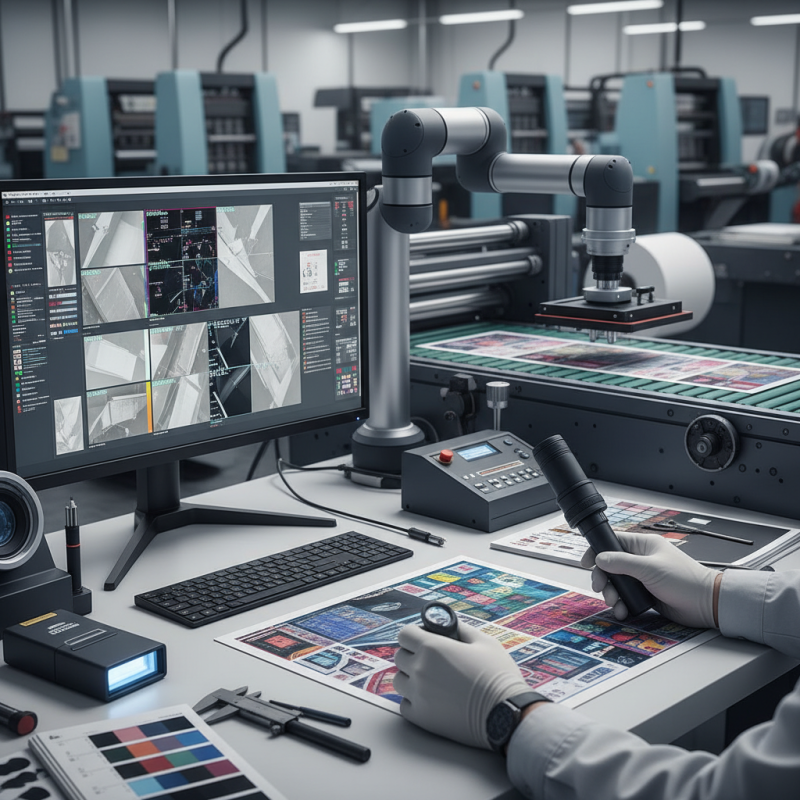
Top 10 Print Inspection Techniques You Should Know?

Top 10 Print Inspection Techniques You Should Know

In the world of print inspection, precision is king. Ensuring high-quality print output requires various techniques. According to a recent industry report, nearly 30% of printed products face quality issues due to inadequate inspection methods. Understanding the leading inspection techniques can help businesses eliminate costly errors.

One popular technique is automated vision inspection. This method uses cameras to detect discrepancies like color variations. Research shows that companies using automated systems can reduce inspection time by up to 50%. However, the reliance on technology isn't foolproof. Occasionally, false positives can lead to unnecessary reprints. Thus, it’s crucial to balance automation with skilled personnel who can interpret results effectively.

Another method is inline web inspection. This technique monitors products as they move through the printing process. It identifies defects in real-time, allowing for immediate corrections. However, some operators report challenges in integrating this system with existing workflows. Misalignments can lead to missed defects if not addressed. In the end, selecting the right inspection technique requires continuous evaluation and adaptation.

Understanding Print Quality: Key Parameters and Metrics to Measure

In the world of print quality, understanding key parameters is essential. Common metrics include color consistency, sharpness, and registration accuracy. These factors significantly affect the final appearance of printed materials. Poor color matching can lead to dissatisfaction. Investigate how color shifts occur. It's important to monitor these variations closely.

Tips: Always test color samples before the full print run. Utilize spectrophotometers for precise color calibration. This tool helps detect subtle deviations.

Sharpness ties directly into the clarity of images and text. Blurriness can be a common issue, especially in fast printing environments. Adjusting the print settings may resolve this. Watch for misalignment, too. It can lead to unwanted gaps or overlaps, compromising overall quality.

Tips: Conduct regular maintenance on printers. Dust and wear can degrade sharpness over time. Document every issue to find patterns and improve processes. Reviewing past jobs can reveal common pitfalls. Reflecting on them aids in avoiding future mistakes.

Automated Visual Inspection: Integrating AI for Enhanced Detection

Automated visual inspection (AVI) has revolutionized print quality control. Companies now integrate artificial intelligence (AI) to enhance defect detection. According to a recent industry study, AI can improve accuracy by up to 90%. This advancement allows for faster inspections, reducing downtime in production lines.

Implementing these technologies, however, is not without challenges. Misidentification of minor defects can occur. This could lead to unnecessary rejections and waste. A report indicates that 15% of rejected products were deemed acceptable upon manual review. This discrepancy highlights the need for ongoing calibration and validation of AI systems. Human expertise remains vital in refining these tools.

Further, training AI algorithms requires vast datasets. These datasets must be diverse and representative of real-world scenarios. Without this, AI systems may struggle with accurate classification. Industry insights suggest that 30% of companies face difficulties in collecting adequate samples for effective training. Balancing automation and human oversight is key to maximizing inspection outcomes.

Spectral Imaging: A Precision Tool for Color Quality Assurance

Spectral imaging is transforming the way we approach color quality assurance in print inspection. This technique harnesses the power of light absorption and reflection across various wavelengths. It yields precise data on color consistency. A report by Smithers Pira indicates that color inconsistencies can lead to a staggering 15% of waste in manufacturing processes. This highlights the necessity of accurate color assessment tools.

Using spectral imaging, we can detect subtle variations in shades that might go unnoticed. Advanced cameras capture a full spectrum of light. This allows for detailed analysis of any color discrepancies. Many companies still rely on human inspectors, which can lead to subjective judgments. A study from the Digital Printing Council found that 30% of print defects are due to human error in color assessment.

The cost of these errors is significant. Brands face lost revenue and damaged reputations. Incorporating spectral imaging can mitigate these risks. While it requires investment, the potential savings are hard to overlook. Companies should reflect on their inspection methods. Are they doing enough? Embracing this technology could revolutionize their quality assurance processes.

In-line Monitoring Systems: Ensuring Real-Time Inspection Efficiency

In-line monitoring systems play a crucial role in print inspection. These systems work by integrating inspection processes directly into the production line. This allows for instant feedback on print quality. Operators can detect issues like color mismatches or misalignments in real-time. This proactive approach minimizes defects and reduces waste.

However, challenges persist. Not all monitoring systems can adapt to various printing technologies effectively. Some might struggle in different environments, failing to identify certain defects. This highlights the importance of regular evaluations and system upgrades. Operators also need adequate training to interpret the data correctly. Misinterpretations can lead to more significant issues down the line.

Despite these hurdles, the benefits are clear. Improved quality assurance can lead to enhanced customer satisfaction. Real-time adjustments can save materials and time. Ultimately, in-line monitoring systems are a valuable investment for any print operation. They provide data-driven insights that lead to continuous improvement. Still, it's vital to remain critical of their limitations to ensure the best outcomes.

Conclusion

In the realm of print quality assurance, effective Print Inspection techniques are vital for achieving optimal results. The top 10 techniques include a comprehensive understanding of key parameters and metrics that gauge print quality. Automated Visual Inspection harnesses the power of AI to enhance detection capabilities, allowing for more accurate assessments. Spectral Imaging serves as a precise tool to ensure color quality, while In-line Monitoring Systems promote real-time feedback, streamlining the inspection process.

Moreover, implementing Statistical Process Control enables the use of data analytics to identify trends and improve overall print quality. By integrating these innovative approaches, businesses can enhance their Print Inspection processes, ensuring products meet the highest standards of quality and efficiency.


Get in touch with us,
We will contact you shortly!

Get in touch with us by filling up the enquiry form. We will contact you shortly!

    What is the difference between Unline(Non-Epoxy Coated) or Lining(Epoxy Coated) Metal Drum?

    What are Unline(Non-Epoxy Coated) and Lining(Epoxy Coated) drums compatible with?

    What is the difference between Grade A and Grade B Metal Drum ?

    What content is suitable to fill in a Recon Grade A or Grade B Drum?

    What is the difference between Open Top and Close Top Drums and their usage?

    What type of content are Metal or Plastic Drums suitable for?

    Will there be any contamination in the reconditioned metal, plastic drums or IBC tanks?

    What is the drum gauge(thickness) and weight for reconditioned metal drums?

    Do you sell New Packaging Products too?

    What additional services do you provide apart from selling reconditioned and new containers.?

    Do you offer labelling and silkscreen on the containers ?

    Are you able to ship overseas ?

    Leading the Way
    to Carbon Neutrality

    Drumming sustainability into every aspect of our operations, we strive to create a greener and more conscious future for generations to come.
    Contact Us
    WhatsApp
    Email
    Join Our Newsletter

    Sign up for our newsletter for exclusive discounts and latest news of new launches!

      Logo Logo Logo Logo Logo
      Scroll to Top