
Top 10 Polymer Insulators in China for Global Buyers?

The demand for Polymer Insulators in China has surged, driven by global energy needs and technological advancements. According to recent market research, the global polymer insulator market is projected to reach USD 3.5 billion by 2025, growing at a compound annual growth rate (CAGR) of 5.6%. This growth signals a shift in utility companies seeking reliable and efficient solutions.

China stands at the forefront of polymer insulator production. Local manufacturers have bolstered their capabilities, producing insulators that meet international standards. The nation's rich resources and skilled workforce contribute to its competitive edge in this field. However, challenges remain. Quality control standards vary significantly among manufacturers, leading to inconsistency in products.

Understanding the landscape of polymer insulators requires keen attention to technological developments and market dynamics. For global buyers, choosing the right supplier can be complex. Despite the impressive growth, ensuring product reliability and safety is paramount. Buyers must navigate this landscape carefully to make informed choices that align with their needs.
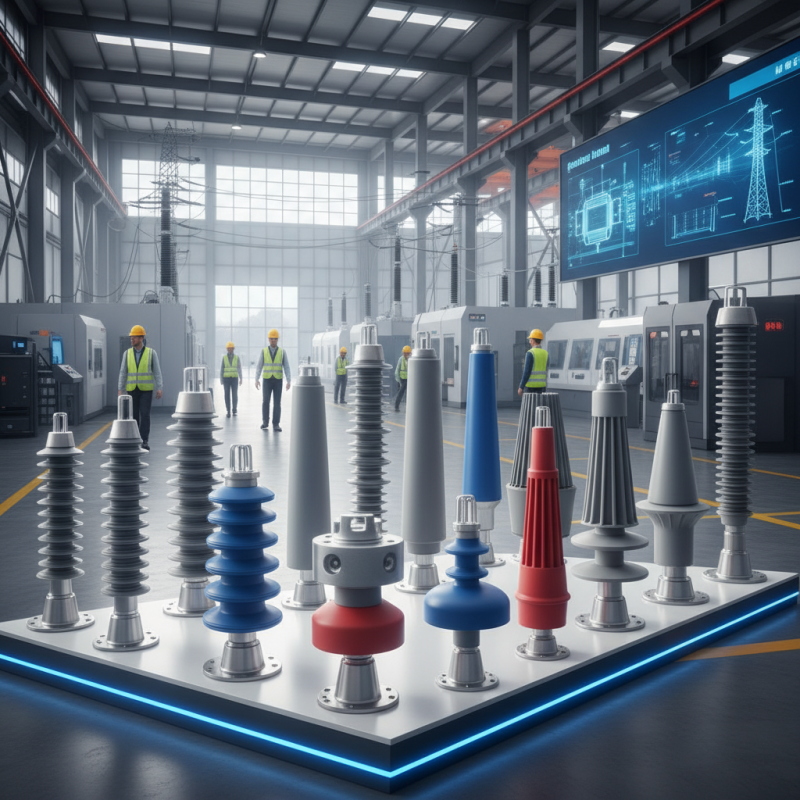
Top 10 Polymer Insulators in China for Global Buyers?

Overview of Polymer Insulators and Their Importance in Electrical Systems

Polymer insulators play a crucial role in electrical systems. These components improve safety and efficiency in power transmission. They are lightweight, resistant to environmental stressors, and require less maintenance.

Research from the Global Insulation Industry Report highlights that polymer insulators possess superior hydrophobic properties. This reduces pollution accumulation and enhances their performance. Their usage has increased by 15% in recent years, driven by the demand for reliable electrical infrastructure. However, challenges remain. The degradation of materials under UV exposure can compromise their longevity.

Tips: Regular inspections are vital. This ensures early detection of wear and tear. Additionally, consider environmental factors in installation. Extreme temperatures can impact polymer performance. Choose the right type of insulator based on local conditions to maximize lifespan.


Criteria for Selecting High-Quality Polymer Insulators in the Market

When selecting high-quality polymer insulators, certain criteria emerge as essential. Durability is paramount, particularly in varying weather conditions. The lifespan of these insulators generally ranges from 30 to 50 years, according to industry reports. High-performance materials ensure that insulators can withstand electrical stress and environmental challenges.

A crucial factor is electrical strength. Insulators must maintain their insulating properties under high voltage. The IEC 61109 standard shows that polymer insulators can handle voltages up to 765 kV. Buyers should closely examine these specifications to ensure safety and reliability.

Tips: Inspect the mechanical properties as well. Polymer insulators should be strong enough to resist mechanical stresses from wind or ice. Regular maintenance and visual inspections can identify early signs of wear.

Color and surface texture also matter. A well-designed surface prevents dirt from accumulating, which can compromise performance. Evaluate the insulator's design, as modern variations often include features that improve performance in harsh environments.

Keep in mind that not all products meet high standards. Always demand certification and testing reports. Quality assurance processes differ among manufacturers, so be thorough in your research.

Top 10 Polymer Insulators in China for Global Buyers

Top 10 Leading Manufacturers of Polymer Insulators in China

In recent years, the demand for polymer insulators in China has surged, driven by the robust growth in the electrical infrastructure sector.

A report by the China Electrical Equipment Industry Association indicates that the polymer insulator market is expected to reach $1.5 billion by 2025. This growth highlights China's capability in manufacturing high-quality insulators that meet international standards.

China hosts several leading manufacturers specializing in polymer insulators. These companies leverage advanced technologies and innovative materials. According to a recent study, polymer insulators produced in China exhibit improved performance in harsh environmental conditions. They are known to withstand extreme temperatures and resist contamination effectively.

However, some manufacturers still face challenges in consistency and quality assurance, which can impact buyer confidence.

A sector analysis shows that around 30% of global polymer insulator imports come from China. This statistic underscores the country's significance in the global market. Despite progress, there is a need for continuous improvement in manufacturing processes. Addressing the issues of durability and reliability remains a challenge for many producers. Engaging in collaborative efforts with international partners could help enhance product quality and establish a stronger global presence.

Comparative Analysis of Polymer Insulators and Traditional Materials

Polymer insulators have gained popularity in recent years, especially in China. Their lightweight nature and resistance to environmental factors make them a strong alternative to traditional ceramic materials. A report by the Chinese Electrical Equipment Industry Association highlights that polymer insulators can reduce installation weight by up to 80% compared to ceramics. This significant reduction allows for easier handling and installation.

However, while polymer insulators offer advantages, challenges remain. For instance, their long-term durability under specific conditions still requires rigorous testing. In environments with extreme UV exposure or pollution, traditional materials sometimes outperform polymers. According to the International Electrotechnical Commission, the failure rates of polymer insulators can go up to 5% in polluted areas. Such data stresses the importance of site-specific assessments when choosing insulators.

In terms of performance, withstand voltage levels of polymer insulators are comparable to traditional ones, typically exceeding 100 kV. Yet, their insulation performance can deteriorate under continuous exposure to moisture. These factors prompt users to reflect on which material suits their specific needs the best. Balancing cost, performance, and environmental conditions is crucial for optimal selection.

Future Trends in Polymer Insulator Technology and Global Market Potential

The global market for polymer insulators is evolving rapidly. Innovations in materials and manufacturing techniques are driving growth. Recent trends highlight a shift toward lightweight and environmentally friendly options. These advances promise better performance in harsh conditions. As climate change impacts power infrastructure, demand for durable products is increasing.

With more utility companies seeking reliable insulators, the future looks promising. However, challenges remain. The industry faces competition from other materials, like ceramics and glass. The potential for polymer insulators lies in their unique characteristics. They resist pollutants and avoid electrical failure better than traditional options.

Experts suggest investment in research and development is crucial. Enhancing the longevity and efficiency of these products can lead to greater acceptance. Companies must address concerns over aging and maintenance, ensuring reliability. As the market expands, collaboration among manufacturers and researchers will be vital for success. Exploring these trends reveals significant opportunities for growth in the polymer insulator sector.

Top 10 Polymer Insulators in China for Global Buyers

Rank Insulator Type Material Voltage Rating (kV) Average Market Price (USD) Key Features
1 Suspension Insulator Polymeric Composite 110 25 Lightweight, High Mechanical Strength
2 Line Post Insulator Silicone Rubber 35 15 Excellent Insulation Performance
3 Pin Insulator FRP 24 10 Durable, Weather Resistant
4 Strain Insulator Polymeric 500 100 High Voltage Resistance, Lightweight
5 Suspension Insulator Ceramic Polymer Blend 220 30 Excellent Mechanical Durability
6 Porcelain Insulator Porcelain with Polymer Fittings 110 20 Long Lasting Under Extreme Conditions
7 Cutout Insulator Polymeric 12 5 Compact Design, High Strength
8 Insulator Long Rod Composite 35 18 High Voltage Performance, Lightweight
9 High Creepage Insulator Silicone Rubber 220 22 Resistant to Pollution and Aging
10 Long Term Use Insulator Polyester 33 14 Durable in Harsh Environments

Get in touch with us,
We will contact you shortly!

Get in touch with us by filling up the enquiry form. We will contact you shortly!

    What is the difference between Unline(Non-Epoxy Coated) or Lining(Epoxy Coated) Metal Drum?

    What are Unline(Non-Epoxy Coated) and Lining(Epoxy Coated) drums compatible with?

    What is the difference between Grade A and Grade B Metal Drum ?

    What content is suitable to fill in a Recon Grade A or Grade B Drum?

    What is the difference between Open Top and Close Top Drums and their usage?

    What type of content are Metal or Plastic Drums suitable for?

    Will there be any contamination in the reconditioned metal, plastic drums or IBC tanks?

    What is the drum gauge(thickness) and weight for reconditioned metal drums?

    Do you sell New Packaging Products too?

    What additional services do you provide apart from selling reconditioned and new containers.?

    Do you offer labelling and silkscreen on the containers ?

    Are you able to ship overseas ?

    Leading the Way
    to Carbon Neutrality

    Drumming sustainability into every aspect of our operations, we strive to create a greener and more conscious future for generations to come.
    Contact Us
    WhatsApp
    Email
    Join Our Newsletter

    Sign up for our newsletter for exclusive discounts and latest news of new launches!

      Logo Logo Logo Logo Logo
      Scroll to Top