China Top PEG 400 Manufacturers for Global Buyers?

China has become an important sourcing base for peg 400, serving pharmaceutical, cosmetic, food-processing, and industrial buyers worldwide. Yet “top manufacturer” should mean more than export volume or an attractive website. Reliable suppliers demonstrate consistent molecular-weight distribution, controlled water content, traceable raw materials, and stable production records. Buyers should request current certificates of analysis, safety data sheets, technical data sheets, and relevant quality certifications before comparing quotations.

A capable manufacturer can explain whether its peg 400 is suitable for a specific application, packaging format, and destination market. Clear answers matter. So does documentation. Ask about batch testing, storage conditions, shelf life, drum or IBC options, and loading inspections. A factory visit, independent laboratory test, or verified sample can reveal details that brochures often omit. Small differences in color, odor, viscosity, or moisture may affect downstream processing. That distinction is easy to miss.

Experienced purchasing teams also review communication speed, complaint handling, production capacity, and supply continuity. The lowest offer may not be the lowest total cost after delays, rejected batches, or relabeling requirements. However, supplier rankings should remain cautious because public information can be incomplete, outdated, or promotional. No single certification proves every quality claim. Buyers should cross-check records and define acceptance standards in writing. This guide examines China’s leading peg 400 manufacturers through practical sourcing criteria, technical transparency, and international buyer experience. It is not a final verdict. Conditions change, and careful verification remains essential.
China Top PEG 400 Manufacturers for Global Buyers?

PEG 400: Molecular Weight Range, Purity Standards, and Key Applications

China Top PEG 400 Manufacturers for Global Buyers?

PEG 400 is a liquid polyethylene glycol with an average molecular weight of about 400 g/mol. The USP–NF monograph typically defines its molecular-weight range near 380–420 g/mol. This range affects viscosity, water attraction, and blending performance. The European Pharmacopoeia also evaluates identification, acidity, water content, and related impurities. These tests matter when PEG 400 enters pharmaceutical, cosmetic, or food-contact production.

Purity should match the application, not merely the certificate title. Pharmaceutical buyers often request USP–NF or Ph. Eur. compliance, batch traceability, and documented heavy-metal controls. Industrial users may prioritize color, moisture, viscosity, and consistent delivery. PEG 400 works as a solvent, plasticizer, humectant, and tablet-processing aid. It can feel slightly oily, yet it mixes readily with water and many polar materials. A technical report from Grand View Research places polyether polyols and related polyethylene glycol products within a growing specialty-chemical market, driven by healthcare and personal-care demand. Market estimates vary, so treat forecasts carefully.

Tips: Ask for a recent certificate of analysis, not a template. Check molecular weight, water, acidity, color, and viscosity together. Request a retained sample for bench testing. Small differences can affect filling speed and product texture. In practice, supplier documentation may look complete but still leave packaging compatibility unclear. That deserves review.


China’s PEG 400 Manufacturing Capacity and Global Supply-Chain Role

China Top PEG 400 Manufacturers for Global Buyers?

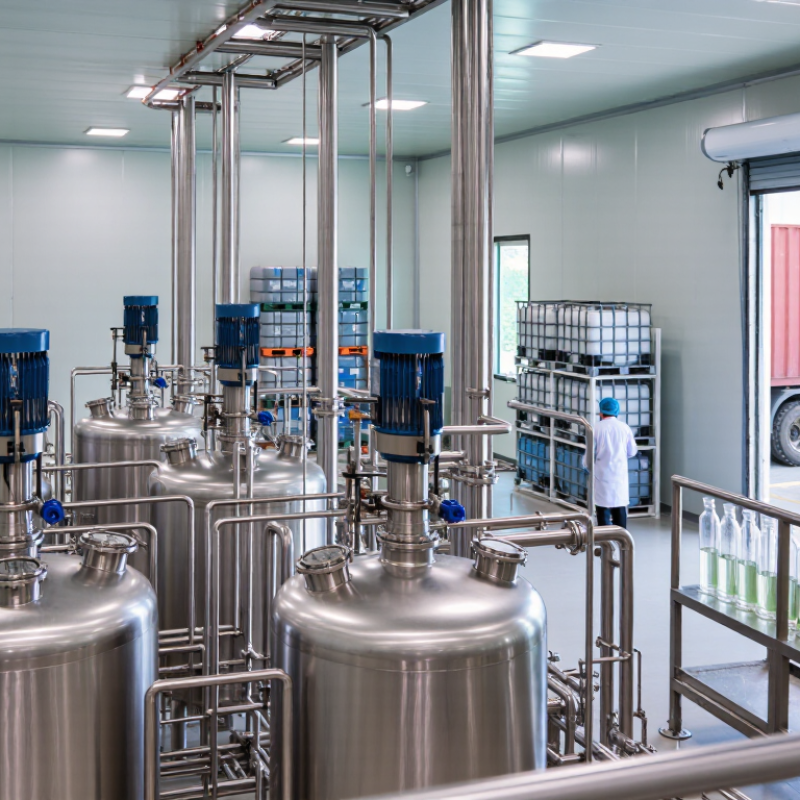
China’s PEG 400 manufacturing capacity supports pharmaceutical, cosmetic, and industrial supply chains worldwide. Many producers operate large reactors with controlled temperature and vacuum systems. These controls help maintain stable molecular weight, moisture levels, and appearance.

Manufacturing clusters benefit from nearby chemical feedstocks, packaging suppliers, laboratories, and export ports. PEG 400 is commonly shipped in drums, IBC tanks, or bulk containers. Reliable suppliers usually provide certificates of analysis, batch traceability, and defined quality specifications.

Buyers should still verify production capacity instead of trusting broad claims. A factory may have strong equipment but limited export experience. That difference matters during urgent replenishment.

Tips: Request recent test reports, production lead times, packaging photos, and loading records. Confirm whether the quoted capacity is annual output or available capacity. Ask about storage conditions, because heat and contamination can affect product quality. Independent inspections can also reduce avoidable risks.

China’s role is significant, but the supply chain is not flawless. Port congestion, feedstock changes, energy costs, and seasonal demand can influence delivery schedules. Some buyers focus only on price and overlook documentation quality. That approach can create delays later. A practical sourcing decision should compare technical consistency, logistics planning, communication speed, and contingency stock. Even experienced purchasers may need to reassess suppliers when demand changes suddenly.

How to Evaluate Chinese PEG 400 Manufacturers: USP, ISO, and COA Data

China Top PEG 400 Manufacturers for Global Buyers

When evaluating Chinese PEG 400 manufacturers, begin with the product specification, not the sales presentation. Confirm whether the material meets current USP requirements and whether the stated grade matches your application. Request a recent certificate of analysis for the exact batch. It should show appearance, average molecular weight, hydroxyl value, acidity, water, and impurity results. Batch numbers must match the packaging and production records.

ISO certification can support confidence, but its scope matters. Check the certificate number, issuing body, expiry date, and covered activities. An ISO certificate for general manufacturing may not prove pharmaceutical-grade control. Ask how raw materials are approved, stored, and traced. During an audit or video inspection, look for labeled tanks, calibrated instruments, sealed containers, and clear cleaning records. Small details often reveal process discipline.

Review at least three COAs from different production dates. Stable data is more useful than one perfect report. Independent testing can verify identity, viscosity, water content, and critical impurities. Ask whether the laboratory follows validated methods and retains test samples. I would also compare the sample with the promised specification before discussing volume. A polished document is not enough. I have seen missing test dates create unnecessary doubt, and that weakness should be addressed before purchase. Sodium? No. PEG 400 requires careful documentation.

Top Chinese PEG 400 Suppliers by Grade, Capacity, Packaging, and Export Reach

China Top PEG 400 Manufacturers for Global Buyers?

When comparing Chinese PEG 400 suppliers, grade should come before price. Pharmaceutical-grade material normally requires controlled production, traceable raw materials, and a certificate of analysis for each batch. Cosmetic and industrial grades may follow different specifications. Check molecular weight, hydroxyl value, water content, acidity, and residue limits. A clear specification matters.

Capacity also affects supply reliability. Established factories may offer stable monthly output, dedicated storage tanks, and repeatable batch testing. Smaller producers can provide flexibility, but their lead times may change during maintenance or peak demand. Ask for recent production records, not only stated annual capacity. A polished website is not proof.

Packaging should match your handling system. Common options include 25-kilogram plastic drums, 200-kilogram drums, and 1,000-kilogram IBC totes. Bulk shipments may reduce costs, but they require suitable unloading equipment. Export-focused suppliers usually understand port scheduling, customs documents, pallet standards, and destination labeling. Confirm whether packaging protects the liquid from contamination and temperature variation during transit. Request sample documents before ordering: SDS, COA, packing list, and origin details. My own hesitation would be simple: a low quotation can hide weak quality control, slow communication, or inconsistent packaging. Verify those risks with a trial shipment.

Global Buyer Checklist: MOQ, Lead Time, Pricing, and Compliance Requirements

China Top PEG 400 Manufacturers for Global Buyers?
When evaluating PEG 400 manufacturers in China, buyers should verify grade, capacity, and export experience. Request a current specification sheet, COA, SDS, and production date. The product should match your application, whether pharmaceutical, cosmetic, or industrial. Ask for a realistic MOQ, not only the lowest possible figure. A small trial order may cost more per kilogram, but it reduces inventory risk. Start small.
Lead time needs written confirmation. Standard production may take one to three weeks, excluding port handling and inland transport. Custom packaging, testing, or urgent scheduling can extend this period. Confirm whether the quoted lead time begins after payment, artwork approval, or order confirmation. This detail is often missed. It matters.
Pricing should show the basis clearly, including grade, packaging, delivery term, and payment conditions. Compare landed cost, not just the factory quotation. Buyers should also check batch traceability, inspection procedures, and complaint handling. For compliance, request relevant declarations and test records for the destination market. Depending on use and country, documents may include REACH-related information, allergen statements, heavy-metal limits, and food or pharmaceutical support files. Ask whether documents are batch-specific. Generic files can be outdated. A careful buyer also confirms packaging integrity, pallet treatment, labeling language, and transport temperature requirements. Some quotes look attractive until these details appear.

Article Source:

Get in touch with us,
We will contact you shortly!

Get in touch with us by filling up the enquiry form. We will contact you shortly!

    What is the difference between Unline(Non-Epoxy Coated) or Lining(Epoxy Coated) Metal Drum?

    What are Unline(Non-Epoxy Coated) and Lining(Epoxy Coated) drums compatible with?

    What is the difference between Grade A and Grade B Metal Drum ?

    What content is suitable to fill in a Recon Grade A or Grade B Drum?

    What is the difference between Open Top and Close Top Drums and their usage?

    What type of content are Metal or Plastic Drums suitable for?

    Will there be any contamination in the reconditioned metal, plastic drums or IBC tanks?

    What is the drum gauge(thickness) and weight for reconditioned metal drums?

    Do you sell New Packaging Products too?

    What additional services do you provide apart from selling reconditioned and new containers.?

    Do you offer labelling and silkscreen on the containers ?

    Are you able to ship overseas ?

    Leading the Way
    to Carbon Neutrality

    Drumming sustainability into every aspect of our operations, we strive to create a greener and more conscious future for generations to come.
    Contact Us
    WhatsApp
    Email
    Join Our Newsletter

    Sign up for our newsletter for exclusive discounts and latest news of new launches!

      Logo Logo Logo Logo Logo
      Scroll to Top