
Top 10 Ultrafiltration Membrane Suppliers in China
China’s Ultrafiltration Membrane industry now serves municipal water plants, food factories, laboratories, and industrial reuse projects. Choosing a supplier requires more than comparing pore sizes or catalog prices. Real performance depends on material stability, module design, cleaning tolerance, testing methods, and after-sales support.
Professor Zhanfeng Cui, a recognized Chinese membrane researcher, has emphasized, “Membrane separation is not only a materials problem; it is also a process problem.” This view is practical. A membrane may show excellent laboratory flux, yet perform poorly after weeks of fouling. That difference matters.
This Top 10 Ultrafiltration Membrane Supplier China guide examines manufacturers through useful, field-based criteria. These include membrane materials, hollow-fiber or flat-sheet construction, operating pressure, rejection performance, chemical resistance, production capacity, certifications, and technical service. Supplier experience also deserves attention. Can the company explain cleaning intervals clearly? Can it provide pilot data from comparable water sources? Can it support replacement planning?
Small details often reveal reliability. Look for transparent test conditions, traceable product specifications, and realistic claims. Some supplier pages remain vague. That should invite careful review, not immediate rejection.
The ranking is not a permanent verdict. Market conditions change, product lines evolve, and site conditions differ. A supplier suitable for food processing may not fit wastewater reuse. Buyers should verify current certificates, request samples, and test membranes under actual operating conditions. That step can prevent expensive assumptions. Sometimes, the strongest supplier is not the cheapest one, but the one that explains limitations honestly.
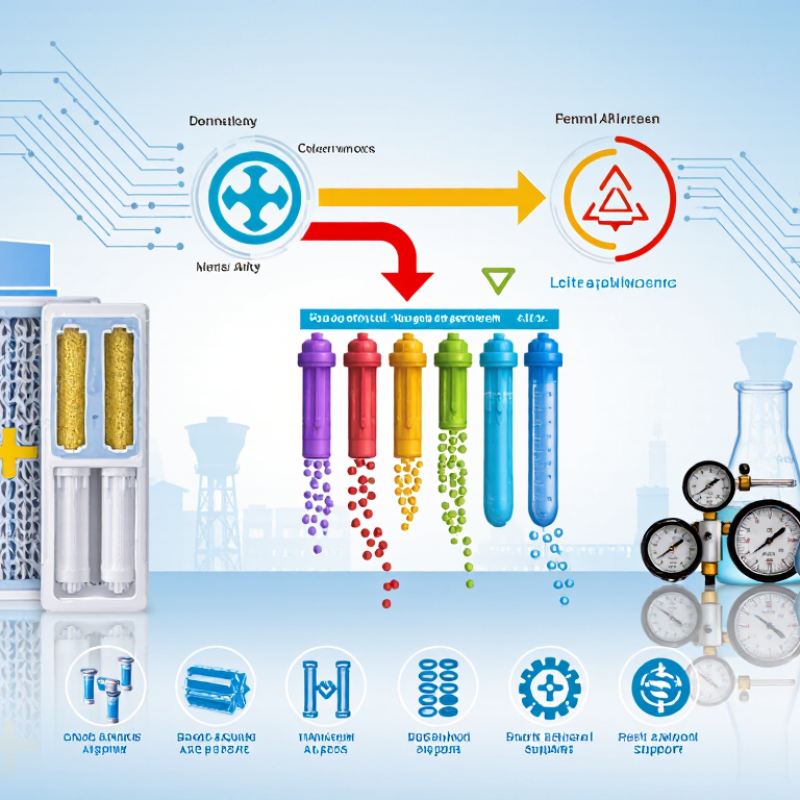
What Ultrafiltration Membranes Are and How They Work
Ultrafiltration membranes are pressure-driven barriers, usually with pores near 0.01–0.1 micrometres. They retain suspended solids, colloids, bacteria, and many high-molecular-weight organic compounds. Water and dissolved salts pass through. The process feels simple, but feed chemistry changes everything.
A typical system operates around 1–5 bar, depending on membrane material and water quality. Hollow-fiber modules offer high surface area in compact housings. Spiral-wound designs can support higher packing density, though fouling control becomes more demanding. MarketsandMarkets’ 2024 membrane filtration analysis identifies water and wastewater treatment as a major demand sector, driven by reuse projects and stricter discharge requirements. Grand View Research also reports continued growth in the global ultrafiltration market, although estimates vary by definition and region.
In daily operation, a cloudy feed enters the module while permeate leaves through microscopic pores. A pressure gauge rises when solids accumulate. That small change matters. Operators often use backwashing, air scouring, or chemically enhanced cleaning to restore flux. The Water Environment Federation emphasizes routine monitoring of turbidity, transmembrane pressure, and permeability. A practical target is not maximum flow; stable performance matters more. Yet membrane selection is rarely perfect. Temperature, oil traces, hardness, and cleaning chemicals can produce unexpected results. Pilot testing remains necessary, especially for industrial wastewater. Supplier evaluations should examine pore-size claims, testing methods, module integrity, replacement intervals, and technical support rather than catalogue capacity alone.
Top 10 Ultrafiltration Membrane Suppliers in China - What Ultrafiltration Membranes Are and How They Work
| Reference Item | Typical Technical Range or Fact | What It Means | Common Application |
|---|---|---|---|
| 1. Separation principle | Pressure-driven size exclusion | Water and small dissolved substances pass through the membrane, while larger colloids, particles, bacteria, and macromolecules are retained. | Pretreatment, drinking-water clarification, wastewater reuse |
| 2. Nominal pore size | Approximately 0.01–0.1 micrometres | The effective pore range is small enough to remove suspended solids and many microorganisms without the high pressure used by reverse osmosis. | Surface-water and process-water treatment |
| 3. Molecular weight cut-off | Commonly about 10–300 kDa | MWCO indicates the approximate molecular size at which macromolecule retention becomes significant; the exact value depends on the membrane and test conditions. | Protein concentration, bioprocessing, polymer recovery |
| 4. Typical operating pressure | Approximately 0.1–5 bar transmembrane pressure | Ultrafiltration generally operates at lower pressure than nanofiltration and reverse osmosis, reducing energy demand for many applications. | Low-pressure filtration systems and membrane bioreactors |
| 5. Typical membrane materials | PVDF, PES, PS, PAN, ceramic materials | Polymeric membranes are widely used because they are lightweight and economical; ceramic membranes offer strong chemical and thermal resistance. | Municipal, industrial, food, pharmaceutical, and laboratory systems |
| 6. Common module formats | Hollow-fibre, tubular, flat-sheet, and spiral-wound | Module geometry affects packing density, cleaning access, solids handling, and the required system footprint. | Different feed qualities and plant capacities |
| 7. Typical removal performance | High removal of suspended solids, turbidity, colloids, bacteria, and many viruses | Removal depends on membrane integrity, feed characteristics, operating conditions, and the target microorganism or particle. | Disinfection polishing and clarification |
| 8. Salt and small-solute behaviour | Most dissolved salts and many low-molecular-weight compounds pass through | Ultrafiltration is not normally used for desalination; nanofiltration or reverse osmosis is more suitable when dissolved ions must be removed. | Pre-treatment before desalination |
| 9. Main fouling controls | Screening, coagulation, prefiltration, cross-flow, backwashing, and chemical cleaning | Fouling reduces permeate flux and increases operating costs; the appropriate control strategy depends on the feed-water composition. | Long-term continuous operation |
| 10. Key supplier-evaluation criteria | Verified flux, rejection data, chemical compatibility, module life, testing support, and after-sales service | A reliable comparison should use feed-specific test data rather than nominal pore size alone. | Supplier selection and system design |

China’s Ultrafiltration Membrane Industry at a Glance
China’s ultrafiltration membrane industry has grown from small-scale water treatment projects into a broad manufacturing ecosystem. The top ten suppliers typically serve municipal water plants, food processing facilities, electronics factories, and industrial wastewater systems. Their products commonly use hollow-fiber or tubular designs, with pore sizes suitable for removing suspended solids, bacteria, and colloidal particles.
Performance depends on more than membrane material. Field experience shows that pretreatment, cleaning frequency, water temperature, and operating pressure strongly affect service life. A reliable supplier should provide flux data, fouling tests, chemical compatibility guidance, and clear replacement terms. Factory visits and pilot trials can reveal details that brochures often miss, such as uneven potting, weak connectors, or difficult module maintenance. Small details matter.
The market is not perfectly uniform. Some suppliers have strong laboratory results but limited field records. Others offer practical engineering support but incomplete technical documentation. Buyers should compare verified operating data under similar conditions, rather than relying only on headline filtration rates. Independent testing, traceable quality records, and responsive after-sales teams improve procurement confidence. A ranking can never capture every local strength, especially when project conditions differ. For coastal plants, seasonal algae may be critical; for electronics facilities, low extractables and stable water quality may matter more.
Key Criteria for Evaluating Ultrafiltration Membrane Suppliers
China’s ultrafiltration membrane market serves municipal water, industrial reuse, food processing, and wastewater treatment. The WHO and UNICEF Joint Monitoring Programme reported that 2.2 billion people lacked safely managed drinking water in 2022. This figure supports continued demand for reliable treatment systems. However, supplier selection should not depend on price alone. A membrane with stable flux, suitable molecular weight cut-off, and strong chemical resistance usually performs better under real operating pressure.
Request pilot data before signing a long-term contract. Check permeability, turbidity removal, recovery rate, and integrity-test results using water similar to your own feed. Ask for test conditions, including temperature, pressure, and cleaning frequency. ISO 9001 certification can support process consistency, but it cannot replace independent performance evidence. The Global Water Intelligence market reports also highlight the growing importance of water reuse and lifecycle efficiency. In practice, energy use and cleaning chemicals may cost more than the initial membrane purchase.
Tips: Compare total cost, not quotation price. Confirm module dimensions, replacement availability, and technical response times. Review traceability documents for every batch. A supplier may present excellent laboratory results, yet field performance can decline with oily or highly variable wastewater. That uncertainty deserves attention. Start with a controlled pilot, define acceptance limits, and keep a backup supplier when production cannot tolerate delays.
Top 10 Ultrafiltration Membrane Suppliers in China
China’s top 10 ultrafiltration membrane suppliers serve municipal water, food processing, pharmaceuticals, and industrial reuse. Their products commonly use PVDF or PES hollow-fiber membranes. Selection should begin with process conditions, not advertising claims.
A reliable supplier should provide verified pore ratings, flux data, tensile strength, and chemical compatibility reports. Ask for pilot-test results under similar turbidity, temperature, and transmembrane pressure. A factory visit can reveal production controls, membrane potting quality, and cleaning procedures. Site visits help.
Request batch records and realistic operating limits before signing a purchase agreement. The strongest suppliers usually offer design support, replacement modules, and technical training after delivery. Check whether their engineers can explain fouling control, backwashing intervals, and integrity testing in practical terms.
References from comparable treatment plants are valuable, especially when they include operating hours and maintenance records. A ranking can still miss smaller manufacturers with excellent engineering. That is worth admitting. Some published performance figures may reflect ideal laboratory water, not difficult wastewater. Buyers should compare independent test results, warranty language, delivery capacity, and long-term service response. Cost alone is a weak filter. A cheaper module may demand more frequent cleaning and replacement. During evaluation, record every assumption, including feed quality and expected recovery, so the final shortlist remains evidence-based.
Comparing Supplier Products, Technologies, and Applications
China’s ultrafiltration membrane suppliers differ sharply in products, technology, and target applications. Hollow-fiber modules suit municipal water reuse and food clarification. Tubular designs handle higher solids and tougher industrial streams. Flat-sheet systems offer easier testing, but they often need more floor space.
According to MarketsandMarkets’ Membrane Filtration Market report, global demand is projected to grow at more than 8% annually through 2028. China’s expanding wastewater-reuse programs support this trend. Suppliers increasingly combine PVDF or PES membranes with automated backwashing and online turbidity monitoring. In practical trials, stable flux matters more than impressive initial permeability. A module delivering 60–90 L/m²·h after fouling control may outperform one with a higher laboratory rating. That detail is often missed.
Tips: Compare operating flux, pore size, chemical tolerance, and replacement cost. Ask for a 30-day pilot using your actual water. Test cleaning recovery, not only clean-water performance. Food processors may prioritize low extractables, while electronics plants require tighter particle control. Municipal projects usually value energy use and service coverage. Smaller suppliers can offer flexible customization, but documentation may be weaker. This is not always a problem, yet it deserves review. Request integrity-test records, membrane-life data, and application references before selecting a supplier. Reports provide useful direction, but site water remains the harder truth.
Article Source:
Get in touch with us,
We will contact you shortly!
What is the difference between Unline(Non-Epoxy Coated) or Lining(Epoxy Coated) Metal Drum?

Unline drums with internally bare metal surface is more susceptible to corrosion and rust while Lining drums are internally coated with Phenolic Epoxy Coating to provide a non-reactive barrier between the drum surface and your product, less risk of contamination. Note: Our Unline drums are coated with an anti-rust agent after washing to reduce risk of rust.
What are Unline(Non-Epoxy Coated) and Lining(Epoxy Coated) drums compatible with?

In Singapore, Recon Unline Drums are usually more costly than Recon Lining Drums. Hence, we recommend Recon Unline Drums to fill aromatics like Thinner, Xylene, Toulene& other solvents like Hexane, BA, CA, EA, MC, White spirit, etc.
We recommend the lower-priced Recon Lining Drums to fill hydrocarbons like IPA, Methanol, Ethanoland oil-based products like diesel, petrol, lubricants, engine, hydraulic, base, transmission fluid, additives, waste oil, etc.;
What is the difference between Grade A and Grade B Metal Drum ?

Grading of used drums are usually based on physical conditions like rustiness, deformities and residual contents. Grade A drums are totally free from internal rust, serious dents and are easy to clean. Grade B drums have different degrees of rust internally and aesthetically inferior compared to Grade A drums.
What content is suitable to fill in a Recon Grade A or Grade B Drum?

Recon Grade A drum is suitable to fill more costly virgin grade products while Recon Grade B drum is more suitable for recycled or waste products.
What is the difference between Open Top and Close Top Drums and their usage?

Closed top drums are for water and other liquid products. Open Top drums can be used for liquid too but are primarily for more viscous products. The Open Top (or open head with a lid) allows you to get in and out of the drum with your product easier.
What type of content are Metal or Plastic Drums suitable for?

Metal drums offer additional protection when dealing with potentially flammable substances. They provide superior fire resistance, impact protection, and longevity for storing class 1, 2, and 3 volatile chemicals.
Plastic HDPE Drums are suitable for corrosive chemicals like acids, alkaline and also water-based products.
Will there be any contamination in the reconditioned metal, plastic drums or IBC tanks?

All our reconditioned containers (metal/plastic drums, carboys, IBC tanks) are washed thoroughly with specially formulated cleaning agent, rinsed with clean water, dried, and tested for possible leakages during the recondition process. Stringent quality inspection is being conducted 100% on every reconditioned product before they are qualified for sale & delivery.
What is the drum gauge(thickness) and weight for reconditioned metal drums?

Reconditioned metal drums gauge can be 0.9mm to 1.0mm all round. Their weight can vary from 16 to 18kg.
Do you sell New Packaging Products too?

Yes, we are also a distributor for new pallets, metal drums, plastic drums, carboys, IBCs and stainless-steel tanks.
What additional services do you provide apart from selling reconditioned and new containers.?

We are an NEA licensed toxic industrial waste collector, who can collect and dispose of used toxic waste containers in Singapore.
Do you offer labelling and silkscreen on the containers ?

We can provide labelling and silk-screening on the containers.
Are you able to ship overseas ?

Yes, we can arrange export our products to any country in the world.
Leading the Way
to Carbon Neutrality