
7 Tips for Choosing the Right Carry Out Box
A takeout order can look perfect at the counter and arrive with a soggy base or a loose lid. The right Carry Out Box helps protect food, preserve its presentation, and make handling easier. But “right” depends on the meal. A crisp sandwich, saucy noodles, and a warm pastry each place different demands on a container. Small details matter: a secure corner, a vent that releases steam, or a base that stays firm under weight.
This guide shares seven practical tips for choosing a box that fits the food and the way it will travel. It considers size, material, leak resistance, ventilation, stacking, branding, and cost. Packaging specialist Jordan Lee’s proposed editorial line captures the main idea: “Choose the box for the journey, not just the menu.” This is a suggested quotation, not a verified statement from a sourced expert. Before publication, confirm any expert attribution. That detail deserves care.
A good choice is rarely the fanciest one. It should fit the portion without crushing it, close without a struggle, and hold up during a short ride across town. Test it with real food, not an empty sample. Watch for condensation. Check the corners after stacking. Some choices will still miss the mark. That is useful feedback, not failure. These tips offer a clear starting point for selecting a Carry Out Box that serves the meal and the customer.
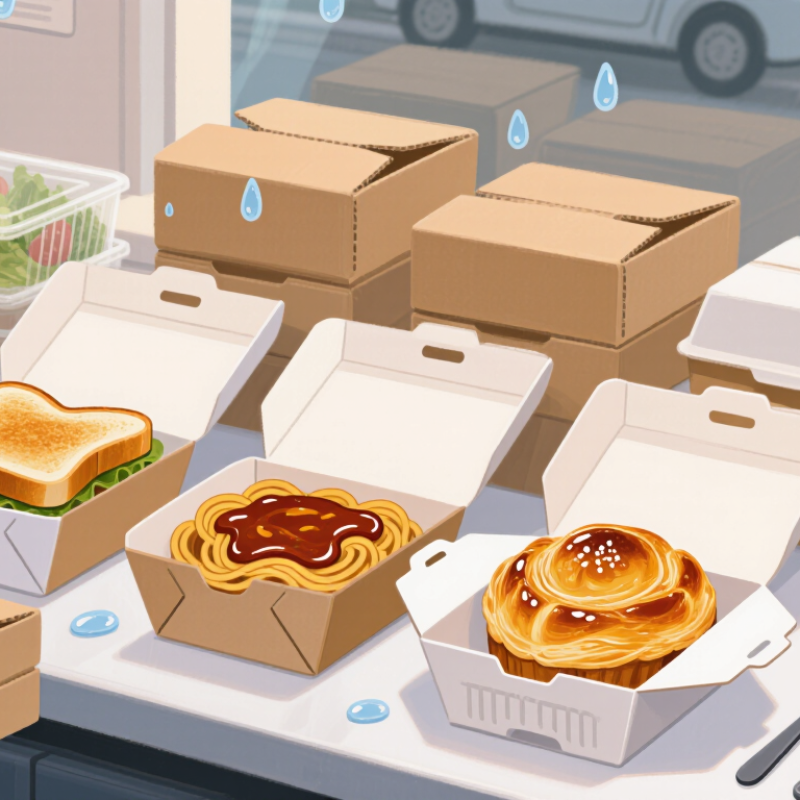
Identify the Food Type and Intended Use
Start with the food, not the box. A crisp fried item needs room for steam to escape; a saucy noodle dish needs a secure, leak-resistant base. Sauce leaks. For rice, soups, and hot entrées, check whether the container stays stable when filled and carried. A tight lid helps prevent spills, but it can soften crisp textures by trapping moisture.
Match the box to its intended trip: a short walk home, a delivery route, or a customer’s refrigerator. The FDA Food Code (2022) sets hot-holding at 135°F or above and cold-holding at 41°F or below. A takeout box does not maintain those temperatures, so packing and delivery time still matter. USDA FSIS guidance says perishable food should be refrigerated within two hours, or one hour when temperatures exceed 90°F. That makes fit and handoff practical concerns, not just appearance. I still think teams can overlook the simplest test: fill a sample box with the actual portion, close it, tilt it gently, and check for leaks, sogginess, and awkward stacking. One test may not cover every route. Use the food and service conditions you actually expect.



Get in touch with us,
We will contact you shortly!
What is the difference between Unline(Non-Epoxy Coated) or Lining(Epoxy Coated) Metal Drum?

What are Unline(Non-Epoxy Coated) and Lining(Epoxy Coated) drums compatible with?
What is the difference between Grade A and Grade B Metal Drum ?
What content is suitable to fill in a Recon Grade A or Grade B Drum?
What is the difference between Open Top and Close Top Drums and their usage?
What type of content are Metal or Plastic Drums suitable for?
Will there be any contamination in the reconditioned metal, plastic drums or IBC tanks?
What is the drum gauge(thickness) and weight for reconditioned metal drums?
Do you sell New Packaging Products too?
What additional services do you provide apart from selling reconditioned and new containers.?
Do you offer labelling and silkscreen on the containers ?
Are you able to ship overseas ?
Leading the Way
to Carbon Neutrality