
7 Tips for Choosing Hydraulic Ram Components

Hydraulic Ram Components determine how efficiently a hydraulic cylinder converts fluid pressure into controlled movement. A seal that fits poorly can leak. A rod sized for the load may still bend if side forces are ignored. Choosing parts is not just a matter of matching dimensions; operating pressure, stroke length, fluid type, temperature, and mounting conditions all matter.

This guide presents seven practical tips for selecting Hydraulic Ram Components for repairs or new equipment. It considers the cylinder barrel, piston, rod, seals, end caps, and connection hardware, while explaining what to check in product specifications. Measure the bore and rod diameter with suitable tools, then compare them with the equipment manual or verified drawings. Look for material and seal compatibility with the hydraulic fluid, especially when temperatures vary or contamination is possible. Check pressure ratings and load direction, too. Small details matter. A scored barrel or a nicked seal can turn a routine repair into repeat downtime.

A clean workshop helps, but it cannot replace reliable measurements or manufacturer guidance. If a machine has unusual loads, frequent impacts, or a history of seal failure, ask a qualified hydraulic technician to review the application. There may be more than one workable configuration. And honestly, no checklist catches every unusual installation. The lowest-cost option is not always the one that lasts longest, and a part that appears correct can still be wrong for the duty cycle. These tips offer a grounded starting point, not a substitute for checking the specific machine. One missed dimension can mean downtime.
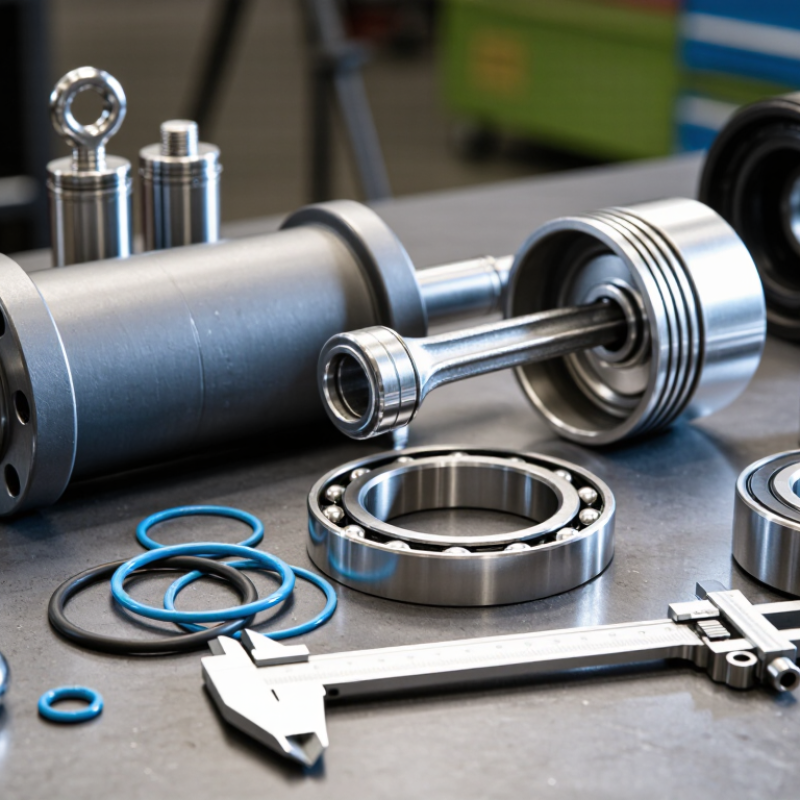
7 Tips for Choosing Hydraulic Ram Components

Define the Hydraulic Ram’s Operating Requirements

Before choosing hydraulic ram components, define the job the cylinder must perform. Record the required push or pull force, stroke length, and available mounting space. Estimate the peak load, including startup resistance, rather than relying only on the load moving smoothly. Specify working pressure and duty cycle: a ram used occasionally has different heat and wear demands from one cycling all shift. Measure pin locations and check alignment in the actual frame. Small errors can cause side loading, seal wear, or binding.

Tip: Write down load direction, speed, stroke, pressure, fluid type, ambient temperature, and cycle frequency. Note how the machine starts and stops, too. A slow, controlled extension may need different flow capacity from a quick return. Allow for pressure spikes, but avoid oversizing blindly; larger components can add cost and affect response.

Check the system’s pressure relief setting and confirm that the ram and connected components suit the intended operating range. Consider dirt, moisture, and temperature at the installation site, since these can affect seals and fluid performance. A requirement sheet cannot predict every shock or change in use. Revisit your assumptions if the load varies; that step is easy to overlook.


Select a Cylinder Rated for Pressure, Force, and Stroke

A hydraulic cylinder should match the system’s working pressure, required force, and full stroke. Check the cylinder’s rated pressure against normal operating pressure and possible pressure spikes. Do not treat a brief peak as the everyday limit. Force depends on pressure and effective piston area; on the rod side, the usable area is smaller. A cylinder can therefore push harder than it pulls. For example, a load that moves smoothly during extension may slow or stall during retraction. That difference matters.

Tip: Calculate the force needed in both directions, then compare it with the cylinder’s rated capacity. Leave an appropriate margin for changing loads and operating conditions. Avoid sizing right at the limit.

Measure the actual travel between the machine’s end positions, not just the visible movement. Check the cylinder’s retracted length and mounting points, too. A longer stroke may not fit the available space. Side loading can also damage the rod or seals, even when pressure and force look adequate on paper. Keep the cylinder aligned with the load where possible. A small mounting offset is easy to overlook. Recheck it before ordering. These calculations are a starting point, not a substitute for the equipment’s specifications or a qualified review of the application.

Choose Rod, Barrel, and Mounting Materials for the Environment

Choosing hydraulic ram components starts with the conditions around the cylinder, not just its rated pressure. Salt spray, fertilizer residue, and frequent washdowns can attack exposed rod surfaces. A corrosion-resistant rod or suitable protective coating may help, but coating choice must also suit the wear and seal arrangement. Salt finds gaps. Check the rod’s finish and inspect likely water traps near the gland. For the barrel, match material and wall design to pressure, temperature, and fluid compatibility. A standard steel barrel may suit a dry indoor machine; damp or chemically aggressive sites may call for additional corrosion protection. The fluid still matters.

Mounting hardware faces vibration, side loads, and weather. Choose brackets and pins for the cylinder’s specified loads, and consider whether dissimilar metals could corrode where they touch. Isolation washers or compatible finishes may reduce that risk, but they cannot correct a poor load path. Small details matter. Keep pins accessible for inspection, and avoid mounts that collect grit around moving joints. In cold conditions, seals and lubricants can behave differently; in hot environments, check their operating limits. It is easy to over-specify corrosion resistance and miss alignment. A polished rod can still wear quickly if the ram is forced to carry side load. Recheck the machine’s actual environment and mounting geometry before settling on materials.

7 Tips for Choosing Hydraulic Ram Components

Compare the typical densities of common engineering materials when considering rod, barrel, and mounting components.

Typical approximate densities: aluminum alloy 6061, 2,700 kg/m³; carbon steel, 7,850 kg/m³; 316 stainless steel, 8,000 kg/m³; brass, 8,500 kg/m³. Actual values vary by alloy. Density alone does not determine suitability: also assess strength, corrosion resistance, wear, coatings, and operating conditions.

Match Seals and Hydraulic Connections to the System

Choosing seals and hydraulic connections is less about finding a part that fits and more about matching the ram’s operating conditions. Check the fluid type, temperature range, pressure, and rod speed before selecting a seal. A seal that works with mineral oil may not suit another fluid. Small differences matter. For a cylinder that cycles often, consider wear and friction as well as leakage control. Static seals and moving seals do different jobs, so they should not be treated as interchangeable.

Connections need equal care. Confirm the port thread, fitting type, pressure rating, and available space around the ram. A fitting may look correct but still have the wrong thread form. That mistake can damage threads or create a leak under pressure. Check the system drawing or measure the port rather than relying on appearance. Keep hose bends gentle, and make sure the connection does not twist when the ram moves. Clean mating surfaces before assembly; grit can score a sealing face. This is easy to overlook.

After installation, inspect the joint at low pressure, then test under the intended working conditions. Follow the component maker’s torque and assembly guidance, since overtightening can deform a fitting or seal. Record the seal material and connection details for future maintenance. I still find that hurried measurements cause avoidable rework, so it is worth checking them twice.

Verify Component Compatibility and Maintenance Needs

Compatibility starts with the ram’s rated pressure, bore, stroke, and mounting dimensions. Match these against the machine specifications, not just the old part’s appearance. A cylinder with the right stroke but a smaller bore may not provide the required force. Check rod diameter, pin size, port location, and thread type before ordering. Small mismatches matter. Also confirm that seals and hoses suit the hydraulic fluid and expected temperature range. Use the equipment manual or a qualified technician when ratings are unclear. A visual comparison helps, but it is not a complete compatibility check.

Maintenance needs affect the choice too. Choose components that allow seals, pins, and fittings to be inspected or replaced without awkward access. Check whether common wear parts are available, and note the assembly’s specified lubrication and inspection intervals. Keep ports clean during service; grit can damage sealing surfaces. Record leaks, uneven extension, and unusual noises, since they may point to wear or misalignment. A hurried measurement can miss a small pin difference. That detail counts. Do not assume a replacement will solve recurring wear if the ram is side-loaded or poorly aligned. Before inspection or removal, follow the machine’s procedure for safely relieving hydraulic pressure.

Get in touch with us,
We will contact you shortly!

Get in touch with us by filling up the enquiry form. We will contact you shortly!

    What is the difference between Unline(Non-Epoxy Coated) or Lining(Epoxy Coated) Metal Drum?

    What are Unline(Non-Epoxy Coated) and Lining(Epoxy Coated) drums compatible with?

    What is the difference between Grade A and Grade B Metal Drum ?

    What content is suitable to fill in a Recon Grade A or Grade B Drum?

    What is the difference between Open Top and Close Top Drums and their usage?

    What type of content are Metal or Plastic Drums suitable for?

    Will there be any contamination in the reconditioned metal, plastic drums or IBC tanks?

    What is the drum gauge(thickness) and weight for reconditioned metal drums?

    Do you sell New Packaging Products too?

    What additional services do you provide apart from selling reconditioned and new containers.?

    Do you offer labelling and silkscreen on the containers ?

    Are you able to ship overseas ?

    Leading the Way
    to Carbon Neutrality

    Drumming sustainability into every aspect of our operations, we strive to create a greener and more conscious future for generations to come.
    Contact Us
    WhatsApp
    Email
    Join Our Newsletter

    Sign up for our newsletter for exclusive discounts and latest news of new launches!

      Logo Logo Logo Logo Logo
      Scroll to Top