
10 Tips for Choosing Bulletproof Glass for Ultimate Protection?

Choosing the right Bulletproof Glass is crucial for ensuring safety in various environments. With an increase in security threats, many people seek effective protective solutions. Bulletproof Glass provides a reliable barrier against potential risks. However, selecting the most suitable option can be daunting.

It’s essential to understand the different types of Bulletproof Glass available. Each type offers varying levels of protection and thickness. Factors such as transparency, weight, and cost should also be considered. You may feel overwhelmed by the choices. Yet, thorough research can guide you toward the best decision.

Reflecting on your specific needs is vital. Consider where the glass will be used. Will it be for a vehicle, a building, or personal safety? Each application demands a unique approach. Taking the time to evaluate these aspects deepens your understanding and enhances your choice of Bulletproof Glass. Ultimately, informed decisions lead to better security outcomes.
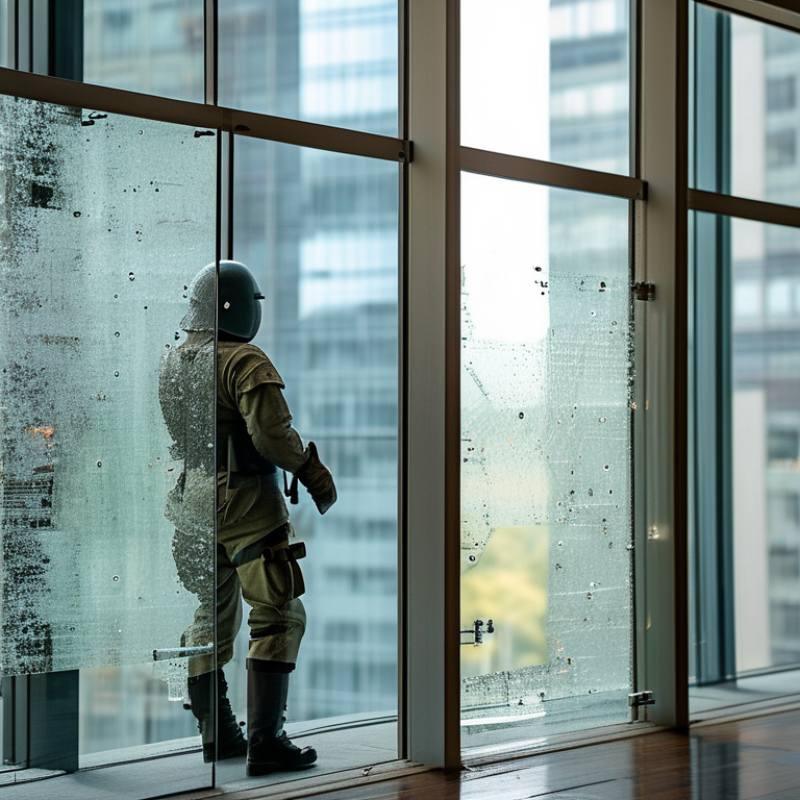
10 Tips for Choosing Bulletproof Glass for Ultimate Protection?

Understanding the Different Levels of Bulletproof Glass Protection

When selecting bulletproof glass, understanding the various protection levels is crucial. Different certifications indicate the glass’s ability to withstand specific threats. Most commonly, levels are categorized as UL 752 or NIJ. Each level corresponds to the types of ammunition the glass can resist. It’s essential to choose a level that meets your specific security needs based on potential threats.

One tip when choosing bulletproof glass is to consider the installation environment. Heavy usage in high-risk areas demands thicker glass. However, this can also affect visibility and weigh down your structure. Assess how often the glass will be used. A balance between safety and practicality is vital.

Another important factor is to verify certifications. Ensure the product you select meets industry standards. Relying on a trusted supplier adds to the reliability of your investment. Some manufacturers may make exaggerated claims. Always look for documented test results that align with the level of protection stated. Each choice impacts your overall safety protocol.

10 Tips for Choosing Bulletproof Glass for Ultimate Protection

Level of Protection Type of Threat Thickness (inches) Applications Cost Range ($)
Level I Handguns 0.25 - 0.5 Residential windows, interior doors 1,000 - 2,000
Level II Shotguns 0.5 - 0.75 Commercial buildings, schools 2,000 - 3,500
Level III Rifles 0.75 - 1.25 Banks, government buildings 3,500 - 5,000
Level IV Armor-piercing ammunition 1.25 - 2.0 Military applications, secure facilities 5,000 - 10,000

Evaluating Material Types: Polycarbonate vs. Laminated Glass

When choosing between polycarbonate and laminated glass for bulletproof applications, understanding their unique properties is crucial. Polycarbonate is approximately 250 times stronger than glass and has impressive impact resistance. According to a report by the Glass Association, polycarbonate can effectively absorb energy, making it ideal for high-risk environments. However, its susceptibility to scratching can compromise visibility and protective qualities over time.

Laminated glass, on the other hand, consists of two or more layers of glass bonded with an interlayer. It offers excellent optical clarity and is more resistant to UV damage. The National Institute of Standards and Technology (NIST) has noted that laminated glass can remain intact even when shattered, contributing to a safer environment. Although it is generally heavier and can be more expensive than polycarbonate, its longevity and aesthetic appeal are often deemed superior.

While polycarbonate excels in impact resistance, it may not always be the best choice. It requires regular maintenance to prevent scratches. Laminated glass, though robust, can crack under certain impacts but still retains its structure. Both materials have distinct pros and cons, and careful evaluation is necessary. Factors like environment, budget, and intended use should guide the selection process.

Assessing Thickness and Layers for Enhanced Security Features

When selecting bulletproof glass, assessing thickness and layer configurations is crucial for enhancing security. Reports indicate that glass with a thickness between 1 inch and 2 inches significantly increases resistance against various threats. Thicker glass often incorporates multiple layers of polycarbonate or laminated materials, providing a composite effect that strengthens impact resistance.

A study by the National Institute of Justice shows that multi-layered systems can withstand ballistic impacts up to specific caliber firearms. For instance, glass designed for level III protection features multiple tempered layers, which can stop bullets while maintaining structural integrity. However, thicker glass can also be heavier and require more robust framing systems, posing installation challenges.

Choosing thickness isn’t straightforward. While thicker glass may offer more protection, it can compromise visibility and aesthetics. Some users mistook the thickest option as the safest choice without considering other factors. Awareness of flow and weight distribution is essential. It impacts not just security but also practicality and cost. Reflecting on these factors, users must weigh the balance between protection, usability, and installation logistics.

Cost Analysis: Budgeting for Quality Bulletproof Glass Solutions

When budgeting for quality bulletproof glass, it's crucial to consider the specific needs of your situation. The price of bulletproof glass varies widely based on thickness, level of protection, and customization. A panel designed for high-risk areas can exceed thousands of dollars. It's important to balance cost with the level of security required.

Investing in bulletproof glass might seem straightforward, but unexpected expenses can arise. Installation costs may vary significantly among different suppliers. Maintenance and replacement are added expenses. Often overlooked, the quality of the installation affects both durability and safety. Opt for experienced installers rather than simply choosing the lowest bid.

Reflecting on your specific use case is essential. A high-security facility might require different specifications than a personal vehicle. Assessing your environment helps in making informed decisions. Misjudging the required protection level can lead to inadequate safety. In the end, quality bulletproof glass is an investment. It’s vital to weigh all options carefully, ensuring peace of mind and true protection.

Cost Analysis of Bulletproof Glass Solutions

Industry Standards and Certifications for Reliable Bulletproof Products

When selecting bulletproof glass, understanding industry standards is crucial. Look for products that meet or exceed the National Institute of Justice (NIJ) standards. These guidelines ensure that the glass can withstand different calibers. Certifications from reputable organizations also enhance credibility. Reliable products should come with detailed specifications and testing results.

Tip: Always verify the glass's level of protection. The rating should be clear. For example, a level III product can resist certain rifle rounds. This clarity helps in decision-making.

Choosing the right thickness is essential. Thicker glass generally offers higher protection, but it can also add weight. Consider the installation requirements and the intended use. Measure your space carefully to avoid complications.

In the end, ask for documentation. Manufacturers should provide proof of certification and testing. This transparency is vital for building trust and ensuring safety. Don't hesitate to question the manufacturer about their processes. Your safety relies on informed choices and verified products.

Get in touch with us,
We will contact you shortly!

Get in touch with us by filling up the enquiry form. We will contact you shortly!

    What is the difference between Unline(Non-Epoxy Coated) or Lining(Epoxy Coated) Metal Drum?

    What are Unline(Non-Epoxy Coated) and Lining(Epoxy Coated) drums compatible with?

    What is the difference between Grade A and Grade B Metal Drum ?

    What content is suitable to fill in a Recon Grade A or Grade B Drum?

    What is the difference between Open Top and Close Top Drums and their usage?

    What type of content are Metal or Plastic Drums suitable for?

    Will there be any contamination in the reconditioned metal, plastic drums or IBC tanks?

    What is the drum gauge(thickness) and weight for reconditioned metal drums?

    Do you sell New Packaging Products too?

    What additional services do you provide apart from selling reconditioned and new containers.?

    Do you offer labelling and silkscreen on the containers ?

    Are you able to ship overseas ?

    Leading the Way
    to Carbon Neutrality

    Drumming sustainability into every aspect of our operations, we strive to create a greener and more conscious future for generations to come.
    Contact Us
    WhatsApp
    Email
    Join Our Newsletter

    Sign up for our newsletter for exclusive discounts and latest news of new launches!

      Logo Logo Logo Logo Logo
      Scroll to Top