
How to Source Pet Rolls Wholesale for Global Buyers?
Global buyers are paying closer attention to material performance, traceability, and shipment reliability when purchasing Pet Rolls wholesale. PlasticsEurope reported that global plastics production reached 400.3 million tonnes in 2022. Packaging remained the largest application, representing 39.3% of total demand. These figures show the scale of the market, but they also reveal its pressure. Buyers need efficient materials with clearer environmental documentation.
PET remains widely used for packaging films, labels, thermoforming, and industrial applications. The OECD’s Global Plastics Outlook reported that plastic waste more than doubled between 2000 and 2019. That trend makes recycled content, collection systems, and end-of-life claims increasingly important. A supplier should provide technical datasheets, certificates of analysis, food-contact documents when applicable, and transparent production details. Do not rely on attractive samples alone.
Small details matter.
A serious sourcing process should examine PET grade, thickness tolerance, roll width, winding quality, core size, surface treatment, and moisture protection. Buyers should also compare minimum order quantities, loading plans, lead times, and inspection procedures. Trade data can suggest market direction, but factory evidence confirms capability. Reports from Smithers and PlasticsEurope offer useful industry context, yet every supplier still requires direct verification.
No checklist is perfect. A polished quotation may hide unclear tolerances or inconsistent packaging. Requesting trial rolls, independent testing, and recent batch records can expose those weaknesses early. The right wholesale partner is not always the cheapest. It is the supplier that delivers consistent Pet Rolls, accurate documents, and dependable communication across borders.
Defining PET Rolls and Global Wholesale Purchasing Requirements
How to Source PET Rolls Wholesale for Global Buyers?
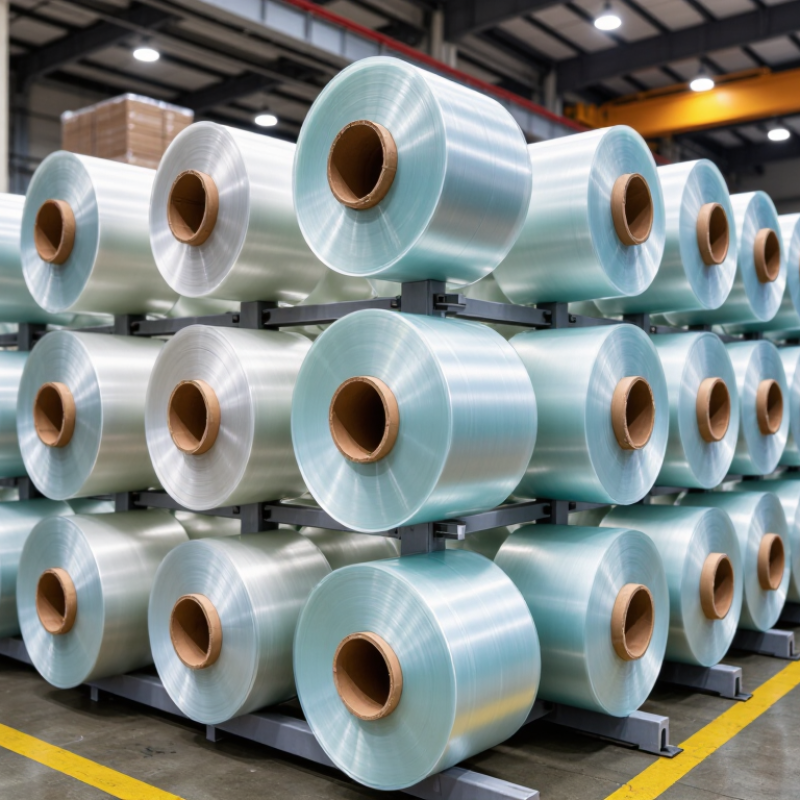
PET rolls are continuous polyester film wound around a core. Buyers use them for packaging, labels, insulation, printing, and industrial laminates. Thickness, width, surface treatment, and roll diameter define the product’s real value. A 12-micron roll behaves very differently from a 50-micron roll during slitting or sealing.
The OECD’s Global Plastics Outlook reported 353 million tonnes of plastic waste in 2019, while only 9% was recycled. This figure makes traceability more than a purchasing preference. Global buyers should request resin origin, recycled content, migration testing, and production-batch records. Food-contact applications need destination-market documentation, not vague compliance claims. Ask for test methods and issuing laboratories.
Every quotation should state thickness tolerance, width tolerance, core size, maximum roll weight, winding direction, and moisture protection. Confirm the minimum order quantity and whether mixed specifications are allowed. Incoterms, pallet dimensions, HS classification, and export documents also affect the landed cost. A cheap roll can become expensive after port handling and rejected inspection.
Experience suggests that samples should be tested on the buyer’s actual equipment. Supplier samples may run smoothly but fail under higher tension. That is easy to overlook. Request a pilot shipment, inspect edge damage, and record yield loss. The UNEP report Turning off the Tap warns that plastic pollution could nearly triple by 2060 without major intervention. Therefore, recycled PET options deserve serious evaluation, although their clarity, strength, and consistency may vary.

Identifying Qualified PET Roll Suppliers and Verifying Their Capabilities
Finding a qualified PET roll supplier requires more than comparing online prices. Check whether the supplier understands your film structure, thickness tolerance, width range, and intended packaging use. Request recent technical data sheets, factory photographs, production records, and quality certificates. A polished website is not proof.
Ask for samples from normal production, not specially prepared rolls. Measure thickness at several points, inspect winding quality, and test sealing or forming performance when relevant.
Confirm core diameter, roll length, packing method, minimum order quantity, and realistic monthly capacity. A supplier should explain how it controls raw materials, moisture, dust, and batch variation. Vague answers deserve caution.
Tips:
Arrange a video factory audit or use an independent inspection company. Compare the sample label with the production batch documents. Verify export experience, payment terms, lead times, and complaint procedures in writing.
Keep one sealed reference sample for future comparisons. No checklist is perfect. Even experienced buyers can miss small changes in resin grade or winding tension.
For that reason, approve a pilot order before committing to regular global shipments. Supplier reliability is demonstrated through consistent records, transparent communication, and repeatable product performance—not promises alone.
Comparing Specifications, Prices, Minimum Orders, and Payment Terms
How to Source Pet Rolls Wholesale for Global Buyers?
Comparing Specifications, Prices, Minimum Orders, and Payment Terms
Wholesale pet rolls should be compared by usable specifications, not appearance alone. Check roll length, diameter, weight, texture, moisture level, and packaging strength. Ask whether the product suits small, medium, or large pets. A roll that looks attractive may be too hard for smaller animals. Request product samples before approving a large order.
Pricing usually changes with ingredients, processing, packaging, and order volume. Request a quotation that separates product cost, printing, cartons, and shipping preparation. A lower unit price may hide costly packaging requirements. Compare the same specifications across suppliers. For example, 5,000 rolls with plain bags cannot be compared fairly with 5,000 rolls using printed, moisture-resistant packaging. I have seen buyers focus on price and later pay more for rejected labels or weak cartons.
Minimum order quantities deserve practical attention. A factory may require 10,000 units for custom packaging but accept 2,000 units with standard packaging. Ask about mixed sizes or trial orders. These options reduce inventory pressure. Payment terms also affect cash flow. Common arrangements include a deposit before production and the balance after inspection or before shipment. Confirm the payment schedule, inspection point, production lead time, and refund conditions in writing. Avoid vague promises. A reliable supplier should provide clear specifications, batch details, packing photos, and consistent communication. Mistakes still happen, so leave time for sampling and corrections.
How to Source PET Rolls Wholesale for Global Buyers?
Comparing specifications, indicative wholesale prices, minimum orders, and payment terms
| PET Roll Type | Typical Specification | Indicative Price | Typical MOQ | Common Payment Term |
|---|---|---|---|---|
| Standard BOPET Film | 12 μm, clear, corona-treated | US$1.55/kg | 1 metric ton | 30% T/T deposit, 70% before shipment |
| Heat-Sealable PET Film | 23 μm, sealable coating | US$1.85/kg | 1 metric ton | 30% T/T deposit, 70% before shipment |
| Metallized PET Film | 12 μm, vacuum-metallized | US$2.05/kg | 2 metric tons | 20% T/T deposit, balance against shipping documents |
| Recycled-Content PET Film | 25 μm, recycled-content grade | US$2.25/kg | 3 metric tons | Irrevocable L/C at sight or staged T/T |
These figures are indicative wholesale planning benchmarks for PET film rolls and can vary with resin costs, thickness tolerance, width, coating, recycled content, order volume, Incoterms, destination, and certification requirements. Buyers should request a current quotation, technical data sheet, sample roll, and written payment terms before placing an order.
Checking Quality Standards, Samples, Packaging, and Production Capacity
Global demand makes pet rolls attractive, but wholesale quality cannot be judged by appearance alone. The American Pet Products Association reported that U.S. pet industry spending reached $152 billion in 2024. FEDIAF’s 2024 Facts and Figures counted about 139 million pet-owning households in Europe. These figures support demand, but they also raise buyer expectations. Ask suppliers for ingredient specifications, allergen controls, moisture limits, shelf-life testing, and batch traceability. Food-contact materials should have suitable compliance documents for the destination market. A certificate without recent test results is weak evidence.
Request samples from different production batches. Check texture, odor, roll separation, seal strength, label accuracy, and storage performance. Test the product after transport, not only on a clean office table. Packaging should protect against moisture, oxygen, crushing, and temperature changes. GS1 research shows that accurate product data improves supply-chain visibility, yet many suppliers still submit incomplete carton details. This step is often rushed. Production capacity also needs proof. Compare monthly output, lead times, backup equipment, minimum order quantities, and quality records during peak seasons. A factory may quote capacity, but actual capacity can fall when several orders arrive together.
Tips: Keep one sealed sample as a reference standard. Photograph defects beside a ruler. Confirm carton dimensions before booking freight. Ask for a production schedule, not only a promise. Small details matter. Recheck translations and batch codes. A glossy pouch is not proof of quality, and even experienced buyers can overlook weak inner seals.
Managing International Shipping, Customs Clearance, and After-Sales Support
How to Source Pet Rolls Wholesale for Global Buyers?
In export operations, start with product classification, not price. Pet waste rolls may require different HS codes, depending on material and packaging. Confirm the code with a licensed customs broker before ordering. The commercial invoice should show quantity, unit value, roll dimensions, materials, and country of origin. A packing list should match every carton. Small mismatches can delay clearance. The World Bank’s Logistics Performance Index 2023 shows that customs efficiency remains a major logistics difference between markets. Plan for it.
Shipping decisions need practical testing. Maritime transport remains central to global trade, while UNCTAD’s Review of Maritime Transport 2024 reported a 2.4% increase in seaborne trade during 2023. Compare sea freight, rail, and air options using landed cost, not freight alone. Include duties, broker fees, port charges, insurance, and possible storage.
Moisture-resistant cartons help protect rolls during long routes. Still, overpackaging increases cost and waste. We have made that mistake before.
After-sales support should begin before dispatch. Share batch numbers, carton photos, inspection records, and loading details. Request destination-market labeling guidance in writing. The 2024 APPA State of the Industry report valued the United States pet industry at 150.6 billion dollars, showing strong demand but also higher buyer expectations. Set a clear claim period for crushed cartons, missing rolls, or print defects. Offer replacement goods or documented credit terms. Keep response times realistic. Fast promises can become slow disputes. A simple shared claims log often works better than scattered messages.
Article Source:
Get in touch with us,
We will contact you shortly!
What is the difference between Unline(Non-Epoxy Coated) or Lining(Epoxy Coated) Metal Drum?

Unline drums with internally bare metal surface is more susceptible to corrosion and rust while Lining drums are internally coated with Phenolic Epoxy Coating to provide a non-reactive barrier between the drum surface and your product, less risk of contamination. Note: Our Unline drums are coated with an anti-rust agent after washing to reduce risk of rust.
What are Unline(Non-Epoxy Coated) and Lining(Epoxy Coated) drums compatible with?

In Singapore, Recon Unline Drums are usually more costly than Recon Lining Drums. Hence, we recommend Recon Unline Drums to fill aromatics like Thinner, Xylene, Toulene& other solvents like Hexane, BA, CA, EA, MC, White spirit, etc.
We recommend the lower-priced Recon Lining Drums to fill hydrocarbons like IPA, Methanol, Ethanoland oil-based products like diesel, petrol, lubricants, engine, hydraulic, base, transmission fluid, additives, waste oil, etc.;
What is the difference between Grade A and Grade B Metal Drum ?

Grading of used drums are usually based on physical conditions like rustiness, deformities and residual contents. Grade A drums are totally free from internal rust, serious dents and are easy to clean. Grade B drums have different degrees of rust internally and aesthetically inferior compared to Grade A drums.
What content is suitable to fill in a Recon Grade A or Grade B Drum?

Recon Grade A drum is suitable to fill more costly virgin grade products while Recon Grade B drum is more suitable for recycled or waste products.
What is the difference between Open Top and Close Top Drums and their usage?

Closed top drums are for water and other liquid products. Open Top drums can be used for liquid too but are primarily for more viscous products. The Open Top (or open head with a lid) allows you to get in and out of the drum with your product easier.
What type of content are Metal or Plastic Drums suitable for?

Metal drums offer additional protection when dealing with potentially flammable substances. They provide superior fire resistance, impact protection, and longevity for storing class 1, 2, and 3 volatile chemicals.
Plastic HDPE Drums are suitable for corrosive chemicals like acids, alkaline and also water-based products.
Will there be any contamination in the reconditioned metal, plastic drums or IBC tanks?

All our reconditioned containers (metal/plastic drums, carboys, IBC tanks) are washed thoroughly with specially formulated cleaning agent, rinsed with clean water, dried, and tested for possible leakages during the recondition process. Stringent quality inspection is being conducted 100% on every reconditioned product before they are qualified for sale & delivery.
What is the drum gauge(thickness) and weight for reconditioned metal drums?

Reconditioned metal drums gauge can be 0.9mm to 1.0mm all round. Their weight can vary from 16 to 18kg.
Do you sell New Packaging Products too?

Yes, we are also a distributor for new pallets, metal drums, plastic drums, carboys, IBCs and stainless-steel tanks.
What additional services do you provide apart from selling reconditioned and new containers.?

We are an NEA licensed toxic industrial waste collector, who can collect and dispose of used toxic waste containers in Singapore.
Do you offer labelling and silkscreen on the containers ?

We can provide labelling and silk-screening on the containers.
Are you able to ship overseas ?

Yes, we can arrange export our products to any country in the world.
Leading the Way
to Carbon Neutrality








