
How to Source Fountains Fireworks Safely in 2026?
Sourcing Fountains Fireworks safely in 2026 requires more than comparing prices online. It demands careful supplier checks, documented product information, and respect for local safety rules. A reliable buyer should confirm the supplier’s business identity, manufacturing standards, insurance coverage, and product traceability before placing an order. Photos are useful, but they are not proof.
Look for clear labels, batch numbers, safety instructions, and recognized testing documentation. Ask where the products were manufactured and how they were transported. Responsible suppliers should explain packaging requirements, delivery limitations, and storage expectations without avoiding difficult questions. They should also provide current compliance documents for the destination market, since requirements can differ between regions and may change during 2026.
Small details matter. A damaged carton, missing warning label, or vague invoice should pause the purchase. Do not accept informal promises from unverified sellers. That approach may seem slower, but it protects people, property, and business reputation. Safety comes first.
This guide will examine practical ways to evaluate Fountains Fireworks suppliers, review product documentation, and reduce purchasing risks. It will focus on lawful, age-appropriate, and professionally managed sourcing. No supplier is automatically trustworthy. Even experienced buyers can overlook a missing certificate or misunderstood shipping condition. That is worth admitting. Careful records, independent verification, and advice from qualified local authorities can correct those weaknesses before an order becomes a problem.
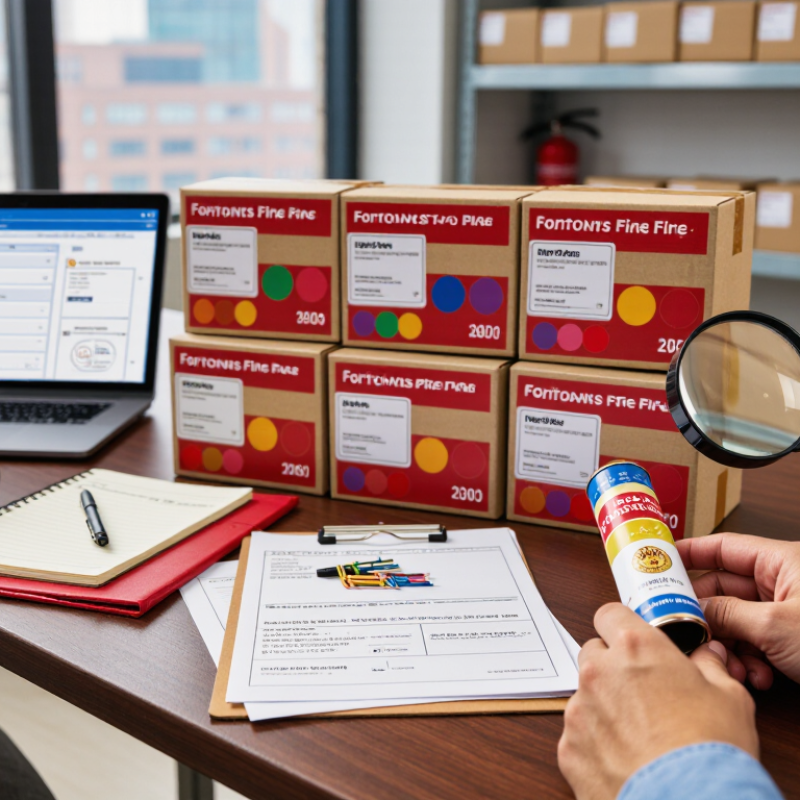
Define Fountain Fireworks and Their Intended Use
Fountain fireworks are ground-based pyrotechnic devices that produce a steady shower of sparks, light, and colored effects. They usually remain in one position while operating. Unlike aerial fireworks, they are designed to create a lower, closer visual display. Their intended use is outdoor entertainment in a controlled, open area, not indoor decoration or handheld use. Even a small fountain can release intense heat, smoke, and burning particles.
When sourcing fountains in 2026, buyers should verify the supplier’s legal registration, product classification, safety documentation, and current certification. The packaging should show clear instructions, hazard warnings, batch details, and storage guidance. Digital traceability is useful, but it does not replace physical inspection. A polished website is not proof of reliability. I would request recent compliance records and check whether the documents match the exact product.
Safe sourcing also requires confirming local rules before placing an order. Some areas restrict outdoor displays, noise levels, sales periods, or user eligibility. A responsible supplier should explain these limits without encouraging shortcuts. Products should arrive sealed, dry, undamaged, and clearly labeled. Never accept loose items or unclear packaging. That is a warning sign. My own checklist would include a suitable firing area, weather conditions, crowd distance, fire-control equipment, and trained supervision. I would also review the instructions twice, because assumptions can fail under pressure. Safety planning is not always perfect, but ignoring small uncertainties creates larger risks.



Get in touch with us,
We will contact you shortly!
What is the difference between Unline(Non-Epoxy Coated) or Lining(Epoxy Coated) Metal Drum?

What are Unline(Non-Epoxy Coated) and Lining(Epoxy Coated) drums compatible with?
What is the difference between Grade A and Grade B Metal Drum ?
What content is suitable to fill in a Recon Grade A or Grade B Drum?
What is the difference between Open Top and Close Top Drums and their usage?
What type of content are Metal or Plastic Drums suitable for?
Will there be any contamination in the reconditioned metal, plastic drums or IBC tanks?
What is the drum gauge(thickness) and weight for reconditioned metal drums?
Do you sell New Packaging Products too?
What additional services do you provide apart from selling reconditioned and new containers.?
Do you offer labelling and silkscreen on the containers ?
Are you able to ship overseas ?
Leading the Way
to Carbon Neutrality












