Reconditioned IBC Containers Buying Guide for Global Suppliers

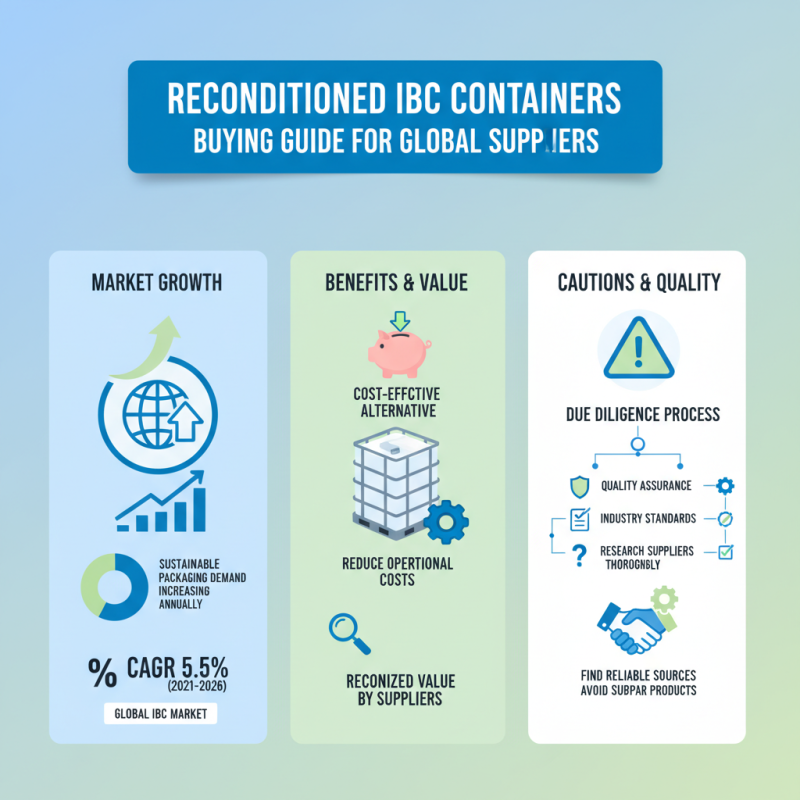
The global market for reconditioned IBC (Intermediate Bulk Containers) is on the rise. Research indicates that the demand for sustainable packaging solutions is increasing annually. According to a recent report from Markets and Markets, the global IBC market is projected to grow at a CAGR of 5.5% from 2021 to 2026. This trend highlights the importance of reconditioned IBCs as a viable option for many industries.

Reconditioned IBCs offer a cost-effective alternative to new containers. Companies can significantly reduce their operational costs by choosing these containers. Many suppliers are starting to recognize the value in sourcing reconditioned equipment. Yet, not all suppliers provide the same quality. It is crucial to find reliable sources that meet industry standards.

However, potential buyers must approach this market cautiously. The quality assurance process can vary widely among suppliers. Some may overlook essential refurbishment processes, leading to subpar products entering the market. It is essential to conduct due diligence and research suppliers thoroughly. Understanding what to look for enables better decision-making in this growing field.
Reconditioned IBC Containers Buying Guide for Global Suppliers

Understanding Reconditioned IBC Containers: Definition and Benefits

Reconditioned IBC containers are essential for various industries. They provide safe and efficient storage solutions. These containers are previously used tanks that undergo refurbishment. This process ensures they meet safety and quality standards.

The benefits of using reconditioned IBC containers are numerous. They are cost-effective alternatives to new containers. Many suppliers offer them at lower prices, helping businesses save money. Additionally, reconditioned containers have a smaller environmental impact. They reduce waste by repurposing existing materials instead of producing new ones.

Tip: Always inspect reconditioned containers before purchasing. Check for any signs of damage or wear. This ensures your materials are stored safely.

Another consideration is the type of materials previously stored in these containers. Some may have contained non-hazardous substances, while others may have seen more questionable contents. Understanding their history can help you make informed choices.

Tip: Consult with suppliers about the refurbishment process. Knowing how the containers were treated can enhance your confidence in their safety and reliability.
Key Factors to Consider When Buying Reconditioned IBC Containers

Reconditioned IBC Containers Buying Guide for Global Suppliers

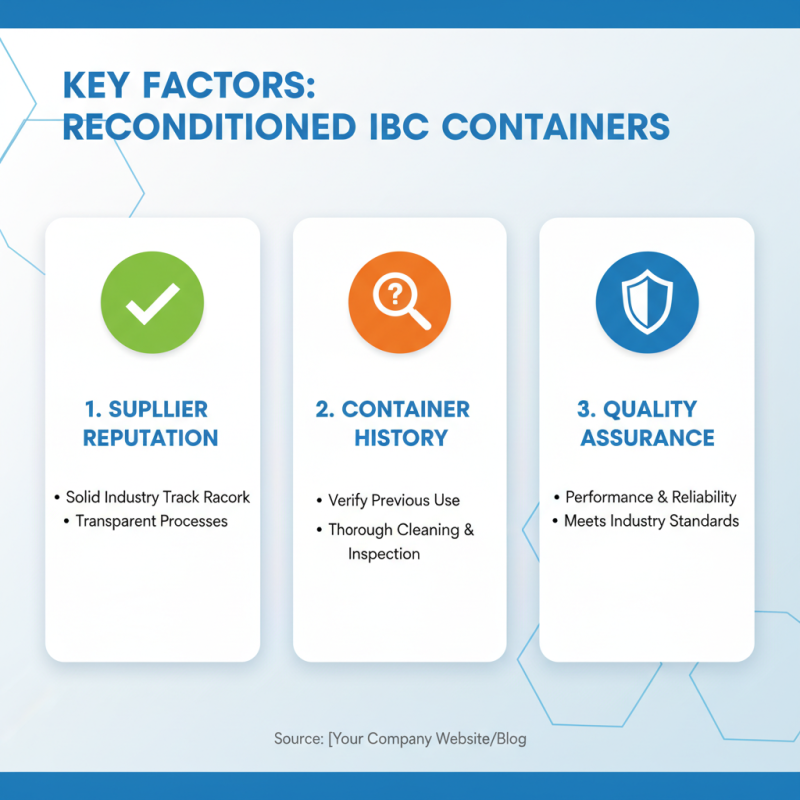
When considering reconditioned IBC containers, sourcing quality is essential. Look for suppliers with a solid track record in the industry. They should be transparent about their reconditioning processes. It's crucial to verify the history of each container. Containers that have undergone thorough cleaning and inspection will perform better.

Take note of the container's specifications. Ensure it meets your industry standards and environmental regulations. This will prevent future compliance issues. Also, consider the material of the IBC container. Some materials may react with stored contents, affecting quality.

Price can be an indicator of quality but not always. Low prices may signal compromised integrity. Weigh the potential risks against cost savings. If possible, ask for references or reviews. Feedback from previous customers can guide your decision. Your goal is to find a balance between quality and affordability.

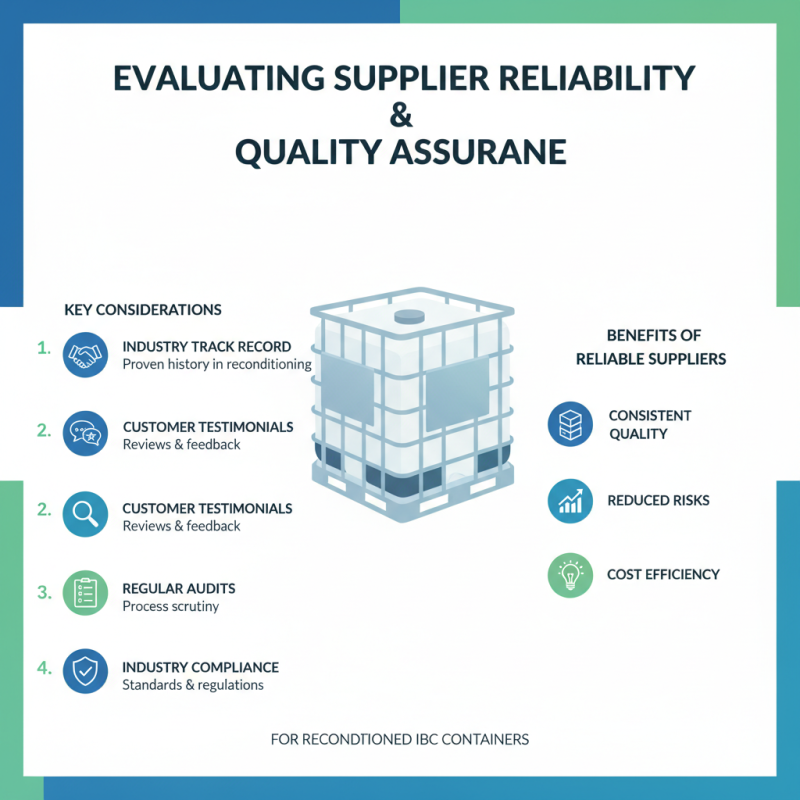
Evaluating Supplier Reliability and Quality Assurance Practices

Reconditioned IBC Containers Buying Guide for Global Suppliers

When considering reconditioned IBC containers, evaluating supplier reliability is crucial. A reliable supplier should demonstrate a strong track record in the industry. Look for testimonials and reviews from previous customers, as these can indicate the supplier's commitment to quality. Regular audits and compliance with industry standards are good signs.

Tip: Ask for documentation of certifications and quality checks. This information helps ensure the containers meet safety and performance specifications.

Quality assurance practices are vital. Suppliers should have a transparent process for inspecting and reconditioning their containers. This might include guidelines for cleaning, damage assessment, and functionality testing. Understanding these processes can provide insight into the supplier’s dedication to maintaining high standards.

Tip: Request a sample or visit the supplier’s facility. This allows for a first-hand look at their operations and gives a chance to ask specific questions.

Sometimes, suppliers may not be as forthcoming with information. This lack of transparency can be a red flag. Always trust your intuition when assessing potential partners. Focus on suppliers that prioritize clear communication and demonstrate confidence in their products.

Common Applications of Reconditioned IBC Containers in Various Industries

Reconditioned Intermediate Bulk Containers (IBCs) serve various industries with versatile applications. These durable containers are often repurposed for storing and transporting liquids, chemicals, and bulk solids. In agriculture, reconditioned IBCs are used for fertilizers and pesticides. Reports show that the agricultural sector accounts for about 40% of IBC usage globally. This trend reflects a growing emphasis on sustainable practices and cost-effective solutions.

In the food and beverage industry, reconditioned IBCs are utilized for transporting ingredients like oils and syrups. The Food and Drug Administration (FDA) stipulates strict guidelines for containers used in food applications. It’s crucial to ensure these IBCs are thoroughly cleaned and inspected. A risk assessment could prevent potential contamination issues.

**Tip:** Always verify the cleaning certification of reconditioned IBCs before use in sensitive applications.

Additionally, the pharmaceutical industry employs reconditioned IBCs for transporting active ingredients. A report from the International Business Data claims the use of IBCs in pharmaceuticals has surged by 30% in the past five years. This increase highlights the importance of reliable supply chains in maintaining product efficacy.

**Tip:** Consider the container’s historical usage to gauge its suitability for your needs.

Reconditioned IBC Containers Buying Guide for Global Suppliers

Industry Common Applications Typical Capacity Material Advantages
Chemical Storage of hazardous liquids 1000 liters Polyethylene Durable and corrosion-resistant
Food and Beverage Transporting liquid food products 600 liters Stainless steel Hygienic and easy to clean
Pharmaceutical Storage of chemicals and liquids 1000 liters Polyethylene Excellent compatibility and stability
Agriculture Transporting fertilizers and pesticides 1000 liters Polyethylene Cost-effective and reusable
Construction Storage of construction liquids 1000 liters Steel Heavy-duty and long-lasting

Best Practices for Maintenance and Storage of Reconditioned IBC Containers

Maintaining reconditioned IBC containers is crucial for longevity. Proper cleaning is essential. Start by rinsing out any residues. Use appropriate detergents to ensure no contaminants remain. A clean container not only functions better but also enhances safety during storage. Regular inspections for cracks or leaks will help identify potential issues early.


Storage practices also require attention. Keep containers off the ground to prevent moisture damage. Use pallets or racks designed for IBC containers. This avoids direct contact with damp surfaces. Additionally, cover containers to shield them from direct sunlight. UV exposure can degrade materials over time.


However, not all facilities have the ideal conditions for IBC storage. Some may struggle with space or environmental factors. It's a common challenge. Regular audits can highlight specific needs. Evaluate your setup and make necessary adjustments. Emphasizing proper maintenance and storage will lead to improved container performance and safety.

Get in touch with us,
We will contact you shortly!

Get in touch with us by filling up the enquiry form. We will contact you shortly!

    What is the difference between Unline(Non-Epoxy Coated) or Lining(Epoxy Coated) Metal Drum?

    What are Unline(Non-Epoxy Coated) and Lining(Epoxy Coated) drums compatible with?

    What is the difference between Grade A and Grade B Metal Drum ?

    What content is suitable to fill in a Recon Grade A or Grade B Drum?

    What is the difference between Open Top and Close Top Drums and their usage?

    What type of content are Metal or Plastic Drums suitable for?

    Will there be any contamination in the reconditioned metal, plastic drums or IBC tanks?

    What is the drum gauge(thickness) and weight for reconditioned metal drums?

    Do you sell New Packaging Products too?

    What additional services do you provide apart from selling reconditioned and new containers.?

    Do you offer labelling and silkscreen on the containers ?

    Are you able to ship overseas ?

    Leading the Way
    to Carbon Neutrality

    Drumming sustainability into every aspect of our operations, we strive to create a greener and more conscious future for generations to come.
    Contact Us
    WhatsApp
    Email
    Join Our Newsletter

    Sign up for our newsletter for exclusive discounts and latest news of new launches!

      Logo Logo Logo Logo Logo
      Scroll to Top