Why Is Plastic Drum Recycling Important for the Environment?

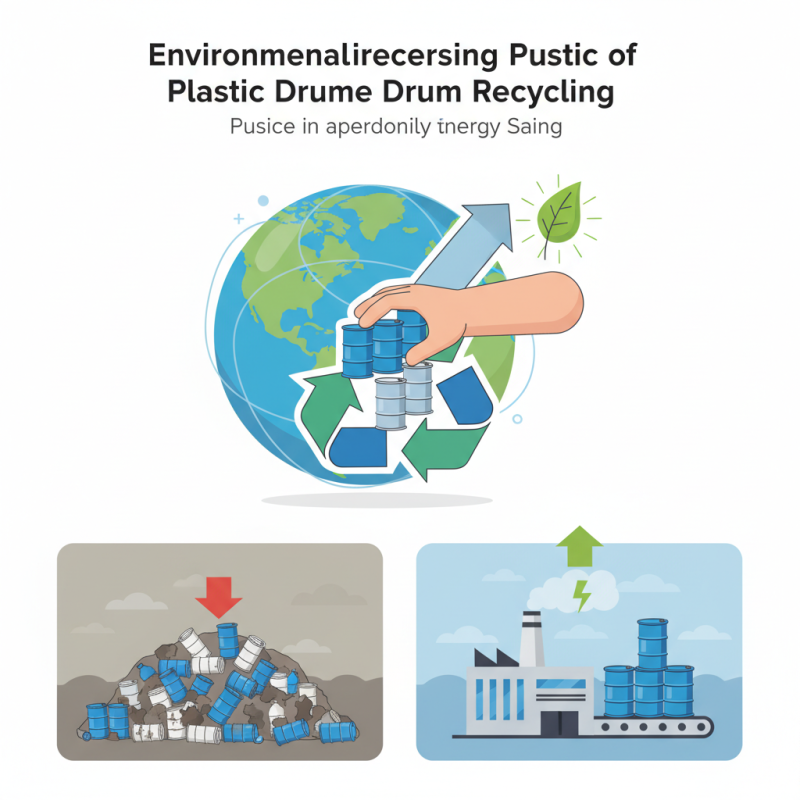
Plastic drum recycling is a crucial process for environmental sustainability. Each year, millions of plastic drums are discarded, contributing to landfill overflow. According to a report by the EPA, approximately 27 million tons of plastic waste end up in landfills annually in the U.S. The plastic drum recycling industry helps mitigate this issue by repurposing materials.

Dr. Lisa Green, an expert in waste management, emphasizes the significance of recycling in her research. She states, "Recycling plastic drums not only saves resources but also reduces pollution." This approach can conserve up to 90% of the energy needed to produce new containers, making it vital for reducing carbon footprints.

However, challenges remain. Many companies do not prioritize recycling. Awareness and accessibility are often inadequate. Increasing education about plastic drum recycling is essential. The focus must shift to integrating better practices within industries.
Why Is Plastic Drum Recycling Important for the Environment?

Importance of Plastic Drums in Various Industries
Why Is Plastic Drum Recycling Important for the Environment?

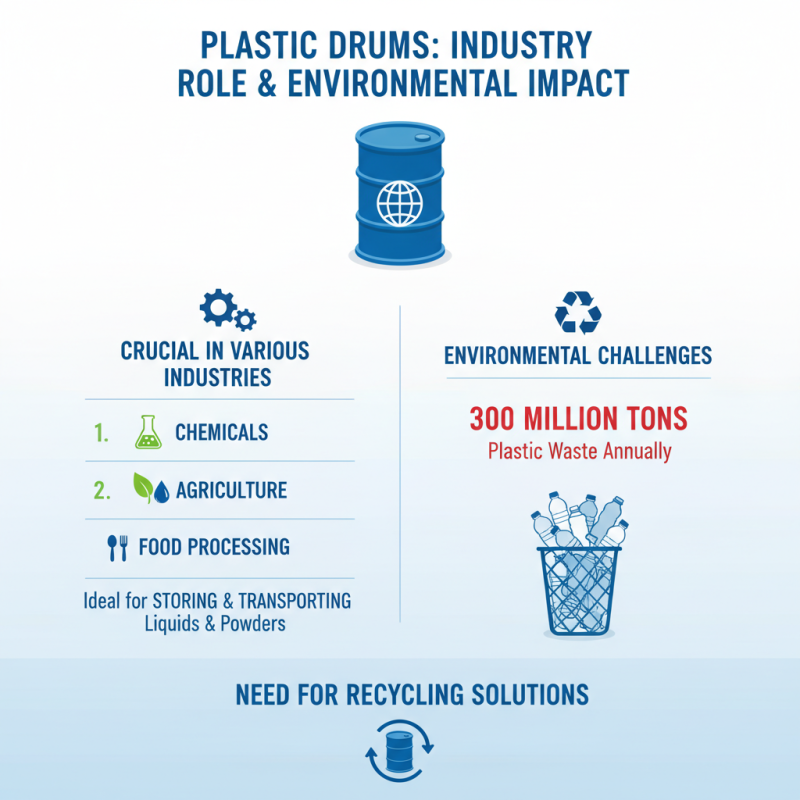
Plastic drums play a crucial role in many industries, including chemicals, agriculture, and food processing. They are ideal for storing and transporting liquids and powders, but their production and disposal raise environmental concerns. In fact, the production of plastic generates an estimated 300 million tons of waste annually. This figure highlights the need for effective recycling solutions.

The chemical industry alone uses millions of plastic drums each year. A study from the International Institute for Sustainable Development notes that around 85% of plastic drums are not recycled. This statistic suggests a missed opportunity to reduce plastic waste. Industries need to adopt circular economy principles. They should seek reliable recycling programs to reclaim and reuse these materials.

While many companies prioritize low costs, they often overlook the environmental impact. This industry focus hinders recycling efforts. Many drum manufacturers do not provide adequate information on recycling availability. As a result, businesses may struggle to make sustainable choices. We must acknowledge these flaws and work towards better recycling infrastructure in our industries.
Environmental Impact of Plastic Drum Production

The production of plastic drums has significant environmental impacts. This process involves the extraction of fossil fuels, which leads to pollution. Moreover, plastic drum manufacturing emits greenhouse gases, contributing to climate change. Every step, from production to disposal, harms ecosystems and wildlife.

Recycling plastic drums can mitigate these effects. When we recycle, we save energy and reduce the need for raw materials. This helps preserve natural resources and minimizes waste. However, many still discard plastic drums improperly. This mindset needs changing.

Tips: Always check local recycling guidelines. Ensure that drums are clean before recycling. Look for community recycling programs that accept plastic drums. Every small action counts, and awareness can lead to greater improvements in our environmental footprint. Changing habits can be challenging, but it's necessary for a healthier planet.

Benefits of Recycling Plastic Drums for Resource Conservation

Why Is Plastic Drum Recycling Important for the Environment?

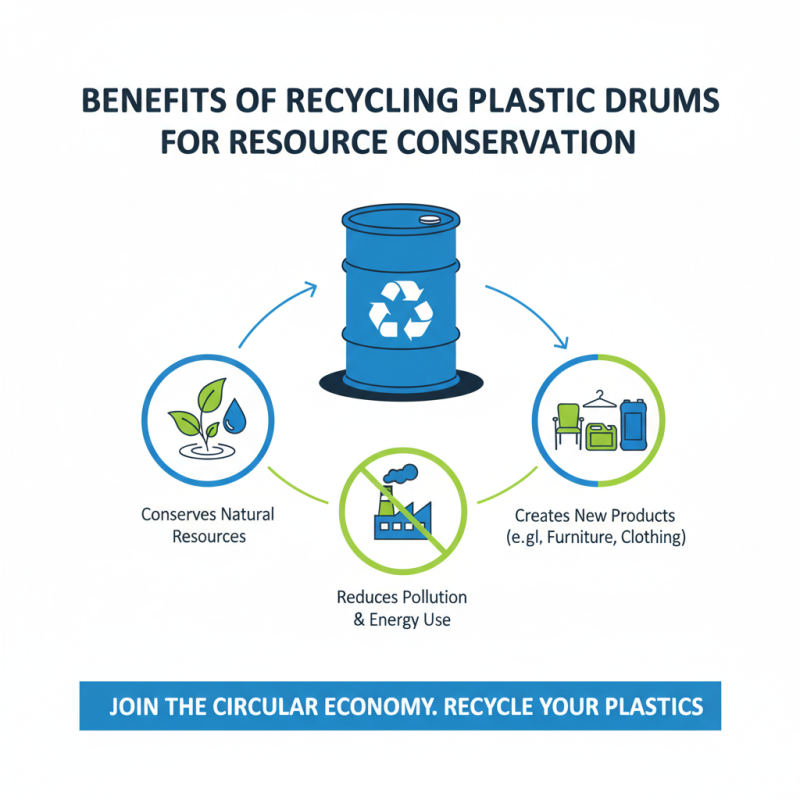
Plastic drums are essential in various industries, but their environmental impact can be significant if not managed properly. Recycling these drums helps conserve valuable resources. When plastic drums are recycled, they can be transformed into new products. This process reduces the need for raw materials. For example, recycled plastic may be used in creating new containers, furniture, or even clothing.

Another important aspect is energy conservation. Recycling plastic drums generally requires less energy than producing new plastic. This means lower greenhouse gas emissions. Reducing energy consumption also helps mitigate climate change. However, the recycling process isn’t always perfect. Occasionally, some drums may not be suitable for recycling. This can lead to waste if proper sorting is not conducted.

Addressing challenges within the recycling system is crucial. Education and awareness could improve recycling rates. Communities must adopt better practices to enhance efficiency. This way, the full benefits of recycling plastic drums can be realized. It's a step towards a more sustainable future. Efficient recycling practices can help protect our environment for generations to come.

Methods and Technologies for Effective Plastic Drum Recycling

Plastic drum recycling plays a crucial role in environmental sustainability. Effective methods and technologies are key to this process. Mechanical recycling is one widely used method. It involves grinding plastic drums into small pieces, which are then melted and reformed. This can divert significant amounts of plastic waste from landfills.

One study indicates that over 30 million tons of plastic waste end up in landfills each year. This includes plastic drums used in various industries. By adopting recycling technologies, companies can reclaim valuable materials. Engaging in recycling reduces the need for new plastics. It also minimizes greenhouse gas emissions linked to plastic production.

Tips: Always check local recycling guidelines. Not all recyclables are accepted everywhere. Consider working with certified recycling facilities. They use proper technologies to handle plastic drums safely.

Chemical recycling is another intriguing method. It breaks down plastic at a molecular level. This allows for the recovery of raw materials and potentially more efficient recycling. However, not all facilities have this capability. Awareness and investment are needed for widespread adoption. As the need for sustainable practices grows, addressing the gaps in recycling technologies becomes vital.

Plastic Drum Recycling Impact on Environment

This bar chart illustrates the various environmental benefits of plastic drum recycling, highlighting the percentage impact of reduced waste, energy savings, resource conservation, emission reduction, and water conservation. Recycling plastic drums plays a crucial role in mitigating environmental harm and promoting sustainability.

Challenges and Solutions in Plastic Drum Recycling Efforts

Plastic drum recycling plays a vital role in reducing waste. However, there are significant challenges that hinder effective recycling efforts. One major issue is the contamination of drums. Many are not properly cleaned before disposal. This leads to a high rejection rate at recycling facilities. Contaminated drums can release harmful substances into the environment. This creates a cycle of pollution rather than resolution.

Another challenge is the lack of awareness. Many people do not understand the importance of recycling plastic drums. Education is essential. Simple tips can help. Always rinse plastic drums before recycling. Label your recycling bins clearly. Encourage community programs that promote recycling.

Despite these hurdles, there are solutions. Collaborations between businesses and recycling facilities can improve processes. Innovative technologies can help clean and recycle more efficiently. Regular community events can raise awareness. People need to feel part of the solution. Small actions can lead to significant change. Embracing a culture of recycling will help protect our environment.

Get in touch with us,
We will contact you shortly!

Get in touch with us by filling up the enquiry form. We will contact you shortly!

    What is the difference between Unline(Non-Epoxy Coated) or Lining(Epoxy Coated) Metal Drum?

    What are Unline(Non-Epoxy Coated) and Lining(Epoxy Coated) drums compatible with?

    What is the difference between Grade A and Grade B Metal Drum ?

    What content is suitable to fill in a Recon Grade A or Grade B Drum?

    What is the difference between Open Top and Close Top Drums and their usage?

    What type of content are Metal or Plastic Drums suitable for?

    Will there be any contamination in the reconditioned metal, plastic drums or IBC tanks?

    What is the drum gauge(thickness) and weight for reconditioned metal drums?

    Do you sell New Packaging Products too?

    What additional services do you provide apart from selling reconditioned and new containers.?

    Do you offer labelling and silkscreen on the containers ?

    Are you able to ship overseas ?

    Leading the Way
    to Carbon Neutrality

    Drumming sustainability into every aspect of our operations, we strive to create a greener and more conscious future for generations to come.
    Contact Us
    WhatsApp
    Email
    Join Our Newsletter

    Sign up for our newsletter for exclusive discounts and latest news of new launches!

      Logo Logo Logo Logo Logo
      Scroll to Top