
What is a Paper Cup Inspection Machine and How Does It Work?

The Paper Cup Inspection Machine plays a vital role in the manufacturing process of paper cups. This machine ensures that each cup meets the highest quality standards before reaching consumers. According to industry expert Dr. Emily Chen, "Quality control in paper cup production is essential for maintaining consumer trust." Her insights highlight the importance of thorough inspections.

The inspection process involves multiple checks, including size verification, structural integrity, and surface quality. Machines are designed to identify even minor defects that can affect performance. Such diligence helps to avoid potential issues during usage. A poorly inspected cup can lead to leaks or breaks, which can damage a brand's reputation.

However, the reliance on technology does raise concerns. Not all defects are easily detectable, and manufacturers must remain vigilant. Continuous improvements and updates to the Paper Cup Inspection Machine are necessary. While technology enhances efficiency, human oversight is also crucial. Balancing both aspects is key to achieving the best quality outcomes.
What is a Paper Cup Inspection Machine and How Does It Work?

What is a Paper Cup Inspection Machine?

A paper cup inspection machine plays a vital role in manufacturing processes within the food and beverage sector. This equipment is designed to automatically check paper cups for quality compliance. It detects errors such as size discrepancies, wall thickness issues, and even printing defects. According to industry reports, poor-quality cups can lead to significant waste and customer dissatisfaction, costing companies millions each year.

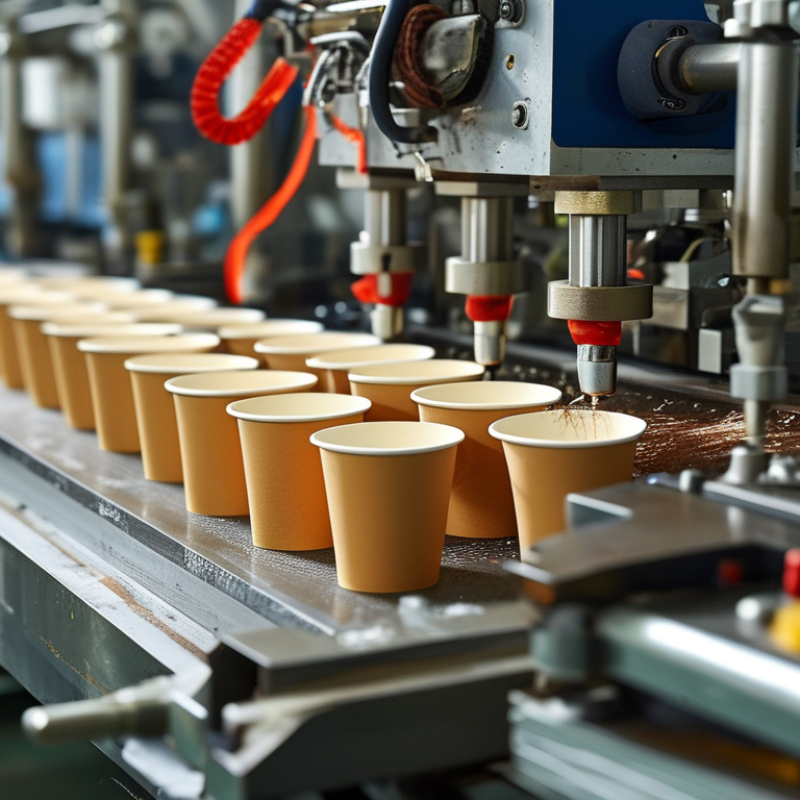
Understanding how a paper cup inspection machine operates is crucial for manufacturers. The machine uses advanced sensors and cameras to conduct thorough inspections. These devices scan each cup as it moves along the production line. If an anomaly is detected, the machine can remove the defective cup quickly, ensuring only high-quality products reach consumers. This efficiency can enhance production rates by up to 30%, as teams spend less time on manual checks.

Tips: When investing in an inspection machine, ensure that it is compatible with your existing production line. Regular maintenance is crucial to maintain accuracy and performance. Additionally, consider staff training for operating these machines effectively. Remember, even machines can make mistakes, so having backup quality control processes is wise.

What is a Paper Cup Inspection Machine and How Does It Work?

Feature Description
Purpose To automatically inspect the quality of paper cups.
Main Components Cameras, sensors, and conveyor belts.
Inspection Criteria Size, shape, color, and integrity of the cups.
Operation Method Automated scanning with image processing technology.
Advantages Increased accuracy, efficiency, and reduced labor costs.
Applications Used in manufacturing plants producing disposable paper cups.
Maintenance Regular cleaning of components and software updates.

The Importance of Quality Control in Paper Cup Production

Quality control plays an essential role in paper cup production. According to industry reports, approximately 30% of paper cups fail to meet quality standards due to various factors, including material defects and manufacturing errors. A reliable quality control process can significantly reduce these failures. This not only ensures product safety but also enhances customer satisfaction.

The process of inspecting paper cups involves several steps. Each cup must undergo checks for size, shape, and printing accuracy. Data indicates that effective inspection can increase production efficiency by up to 25%. However, despite advancements in technology, human error remains a concern. It's crucial to regularly evaluate inspection methods to minimize mistakes. Regular audits and training can help maintain a high level of quality.

Investing in paper cup inspection machines adds another layer of reliability. These machines systematically check for defects, ensuring each cup meets specifications. Nevertheless, implementing such technology requires careful planning and adaptation. Balancing automation with human oversight is vital. Companies must strive to continuously improve their quality control processes to meet evolving industry standards.

How Does a Paper Cup Inspection Machine Operate?

A paper cup inspection machine plays a crucial role in quality control within the manufacturing process. It primarily checks for defects that can compromise the cup's integrity. This machine operates by utilizing a series of sensors and cameras to scan each cup as it moves along the production line. It identifies common issues, such as irregular shapes, incomplete seams, and printing errors.

During operation, the machine captures high-resolution images of every cup. Advanced image processing algorithms analyze these images in real-time. If a defect is detected, the system automatically ejects the flawed cup from the line. This ensures that only high-quality products reach customers. The inspection process is not just about efficiency; it also reflects a commitment to quality.

However, reliance on technology poses challenges. Machines can experience calibration errors, leading to false positives or negatives. Regular maintenance is essential to prevent such issues. Operators must remain vigilant, continuously monitoring the process. While machines can enhance efficiency, human oversight is vital for the highest quality assurance. Balancing automation with human expertise creates a robust inspection system.

Key Features and Components of Inspection Machines

A paper cup inspection machine is essential in maintaining quality control in manufacturing. These machines ensure that each cup meets specific standards before reaching consumers. The key features of these machines include advanced vision systems. These systems detect defects like holes, misprints, or wrong dimensions.

Another critical component is the automated sorting mechanism. This feature separates defective cups from the good ones quickly. It enhances efficiency by reducing human error during inspection. Some machines also incorporate sensors that check for cups' structural integrity. They ensure that the cups can hold hot or cold liquids without compromising quality.

Operators should regularly calibrate these machines to maintain accuracy. Additionally, training employees on how to identify frequent issues can bolster effectiveness. This proactive approach leads to fewer product recalls and dissatisfied customers. Ultimately, although these machines provide valuable insights, consistent human oversight is vital for quality assurance.

Paper Cup Inspection Machine Performance Metrics

Benefits of Utilizing Paper Cup Inspection Machines in Manufacturing

Paper cup inspection machines are essential in modern manufacturing. They ensure quality and reduce waste in production lines. According to industry reports, about 10% of paper cups produced may have defects. This statistic highlights the need for reliable inspection processes.

Utilizing these machines enhances efficiency and accuracy. They can detect various issues such as improper sealing or size inconsistencies. A recent study found that companies employing inspection technology saw a 25% decrease in defective products. This can significantly lower costs and improve customer satisfaction.

Despite advancements, gaps still exist. Some manufacturers may find these machines expensive initially. However, the long-term benefits often outweigh this concern. Investing in technology can lead to greater sustainability in production. Quality assurance remains a continuous journey, not a destination.

Get in touch with us,
We will contact you shortly!

Get in touch with us by filling up the enquiry form. We will contact you shortly!

    What is the difference between Unline(Non-Epoxy Coated) or Lining(Epoxy Coated) Metal Drum?

    What are Unline(Non-Epoxy Coated) and Lining(Epoxy Coated) drums compatible with?

    What is the difference between Grade A and Grade B Metal Drum ?

    What content is suitable to fill in a Recon Grade A or Grade B Drum?

    What is the difference between Open Top and Close Top Drums and their usage?

    What type of content are Metal or Plastic Drums suitable for?

    Will there be any contamination in the reconditioned metal, plastic drums or IBC tanks?

    What is the drum gauge(thickness) and weight for reconditioned metal drums?

    Do you sell New Packaging Products too?

    What additional services do you provide apart from selling reconditioned and new containers.?

    Do you offer labelling and silkscreen on the containers ?

    Are you able to ship overseas ?

    Leading the Way
    to Carbon Neutrality

    Drumming sustainability into every aspect of our operations, we strive to create a greener and more conscious future for generations to come.
    Contact Us
    WhatsApp
    Email
    Join Our Newsletter

    Sign up for our newsletter for exclusive discounts and latest news of new launches!

      Logo Logo Logo Logo Logo
      Scroll to Top