
What is a Packing Machine and How Does It Work?

In the fast-paced world of manufacturing and logistics, understanding what a Packing machine is and how it operates is crucial. John Smith, a leading expert in packaging technology, emphasizes, “A packing machine is not just a tool; it’s a key player in efficiency.” Packing machines streamline processes, reduce labor costs, and enhance product presentation.

These machines transform how products are packaged, from consumer goods to industrial items. They play a vital role in ensuring items are securely packed for shipping and storage. With advancements in automation, today's packing machines offer precision and adaptability that manual packing cannot achieve.

However, the technology is not flawless. Businesses must consider maintenance and operator training. An ideal packing machine should balance speed with quality. Despite the innovations, occasional packaging errors can occur. This highlights the importance of proper calibration and human oversight. Understanding these challenges makes the packing machine an essential element in modern production.
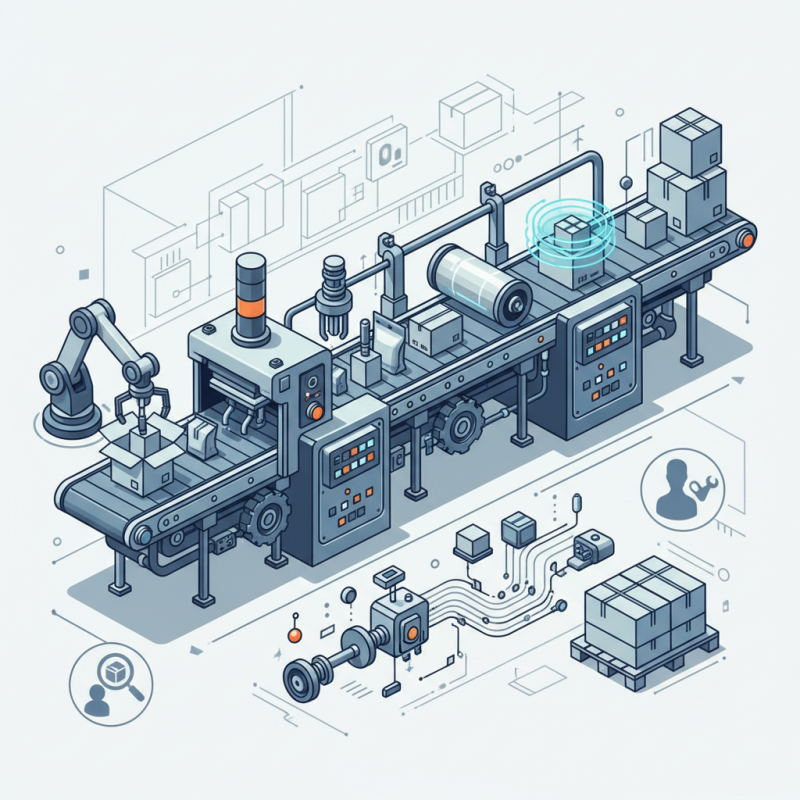
What is a Packing Machine and How Does It Work?

What is a Packing Machine? Definition and Overview

A packing machine is a vital device often found in various industries. It is designed to facilitate the efficient and accurate packaging of products. This encompasses food items, cosmetics, and pharmaceuticals. With its automated processes, a packing machine streamlines the packaging workflow, ensuring consistency and reducing the risk of human error.

Packing machines come in different types, depending on the nature of the goods being packaged. For instance, vertical and horizontal machines are common. Vertical machines are suitable for granular products. In contrast, horizontal machines are ideal for larger items. Each type works by sealing, filling, or wrapping products with precision. This results in enhanced product safety and prolongs shelf life.

However, not all packing machines are perfect. They may require regular maintenance to avoid inconsistencies. Additionally, operational failures can lead to packaging errors. Companies should monitor performance closely. Finding the balance between speed and accuracy is often challenging. Each industry may face unique hurdles in integrating these machines effectively into their assembly lines.


Types of Packing Machines Used in Various Industries

Packing machines play a crucial role in various industries, each type designed to meet specific needs. In food processing, for instance, vertical form-fill-seal machines efficiently package snacks and powders. They use a continuous motion to create pouches, which minimizes waste and enhances speed. The precision of these machines reduces the chances of contamination, ensuring food safety.

In the pharmaceutical sector, blister packing machines are essential. They seal tablets into individual compartments. This not only protects the product but also allows for easy handling. The challenge lies in ensuring consistent quality and effectiveness. Any variation can affect the drug’s integrity.

Lastly, in the cosmetics industry, cartoning machines pack beauty products into boxes. They can handle various shapes and sizes, which is beneficial for brand differentiation. However, the complexity of design may lead to operational hiccups. Regular maintenance is crucial to avoid costly downtimes. Each machine type serves its purpose but also presents unique challenges that require ongoing attention.

Key Components and Mechanisms of Packing Machines

Packing machines are essential in various industries, automating the packaging process for a wide range of products. These machines enhance efficiency and reduce labor costs. Their primary components include the conveyor system, fillers, sealers, and control panels. Each part plays a crucial role in ensuring that items are packaged correctly and efficiently.

The conveyor system transports products through different stages of the packing process. It minimizes manual handling and speeds up operations. Fillers add the necessary contents, such as liquids or solids, into the containers. Sealers then secure the packaging to maintain freshness and safety. These mechanisms are often adjustable, accommodating various product sizes and packaging types.

While packing machines offer numerous advantages, they are not without challenges. For instance, setup and calibration can be time-consuming. Regular maintenance is essential to prevent breakdowns. Operators must be adequately trained to ensure safety and efficiency. With technology constantly evolving, adapting to new machinery can pose difficulties.

How Packing Machines Enhance Production Efficiency and Product Safety

Packing machines play a crucial role in modern production lines. They automate the process of packaging products, which significantly enhances efficiency. By minimizing human intervention, these machines reduce errors and speed up production. Packing machines can work with various materials, including plastics, metals, and paper. This versatility allows factories to package different types of goods under one roof.

In addition to boosting efficiency, packing machines also improve product safety. They are designed to provide reliable seals that maintain product integrity. This is vital in industries like food and pharmaceuticals, where safety standards are strict. However, improper setup or maintenance of the machine can lead to packaging failures. It's essential for operators to receive proper training and regularly inspect machines.

Despite their advantages, packing machines are not foolproof. Issues like mechanical failures or human oversight can occur. Businesses must be prepared to address these challenges. Regular audits and feedback systems can help identify weaknesses in the packaging process. Continuous improvement is key to ensuring quality and safety standards are met consistently.

Industry Trends: Innovations in Packing Technology and Automation

The packing industry is rapidly evolving, driven by technological advancements and automation. Recent reports show that the global packaging machinery market is expected to reach $55 billion by 2027, growing at a CAGR of 4.5%. This growth is attributed to increasing demand for efficient, high-speed packaging solutions in various sectors, including food, pharmaceuticals, and consumer goods.

Innovative technologies such as robotics and artificial intelligence are reshaping packing processes. Automated systems now increase accuracy and reduce human error. For instance, the use of AI can predict maintenance needs, minimizing downtime. Furthermore, smart packaging technologies enhance product lifecycle tracking. According to the Packaging Machinery Manufacturers Institute (PMMI), about 63% of manufacturers are investing in automation to improve production efficiency.

However, the integration of new technologies is not without challenges. Adapting existing processes can be costly and time-consuming. Some companies struggle with workforce training, while others face difficulties in scaling new technologies. As industries seek to innovate, reflection on these hurdles is essential to navigate the future of packing solutions effectively. Balancing innovation and practical implementation remains a critical task for the industry.

Trends in Packing Machine Technology

Get in touch with us,
We will contact you shortly!

Get in touch with us by filling up the enquiry form. We will contact you shortly!

    What is the difference between Unline(Non-Epoxy Coated) or Lining(Epoxy Coated) Metal Drum?

    What are Unline(Non-Epoxy Coated) and Lining(Epoxy Coated) drums compatible with?

    What is the difference between Grade A and Grade B Metal Drum ?

    What content is suitable to fill in a Recon Grade A or Grade B Drum?

    What is the difference between Open Top and Close Top Drums and their usage?

    What type of content are Metal or Plastic Drums suitable for?

    Will there be any contamination in the reconditioned metal, plastic drums or IBC tanks?

    What is the drum gauge(thickness) and weight for reconditioned metal drums?

    Do you sell New Packaging Products too?

    What additional services do you provide apart from selling reconditioned and new containers.?

    Do you offer labelling and silkscreen on the containers ?

    Are you able to ship overseas ?

    Leading the Way
    to Carbon Neutrality

    Drumming sustainability into every aspect of our operations, we strive to create a greener and more conscious future for generations to come.
    Contact Us
    WhatsApp
    Email
    Join Our Newsletter

    Sign up for our newsletter for exclusive discounts and latest news of new launches!

      Logo Logo Logo Logo Logo
      Scroll to Top