2026 How to Optimize Agriculture Drip Irrigation Effectively?
Agriculture Drip Irrigation has become a cornerstone of modern farming. This system offers precise water management, crucial in an era where water scarcity is a growing concern. According to the Food and Agriculture Organization, agriculture accounts for about 70% of global freshwater usage. Efficient irrigation methods like drip irrigation can reduce this significantly, using up to 60% less water than traditional methods.
Recent studies suggest that implementing advanced drip irrigation techniques can enhance crop yields by 20% to 30%. However, farmers often overlook maintenance and system calibration. While this method shows promise, inconsistent application and improper setup can lead to inefficiencies. The industry must address these challenges to fully harness the benefits of agriculture drip irrigation.
Ultimately, the success of agriculture drip irrigation relies on continuous learning and adaptation. With the right approach, farmers can maximize productivity while conserving water resources. Yet, ongoing evaluation and innovation in this area are vital. In optimized systems, there must be a balance between technology use and sustainable practices.
Understanding Drip Irrigation: Principles and Benefits for Agriculture
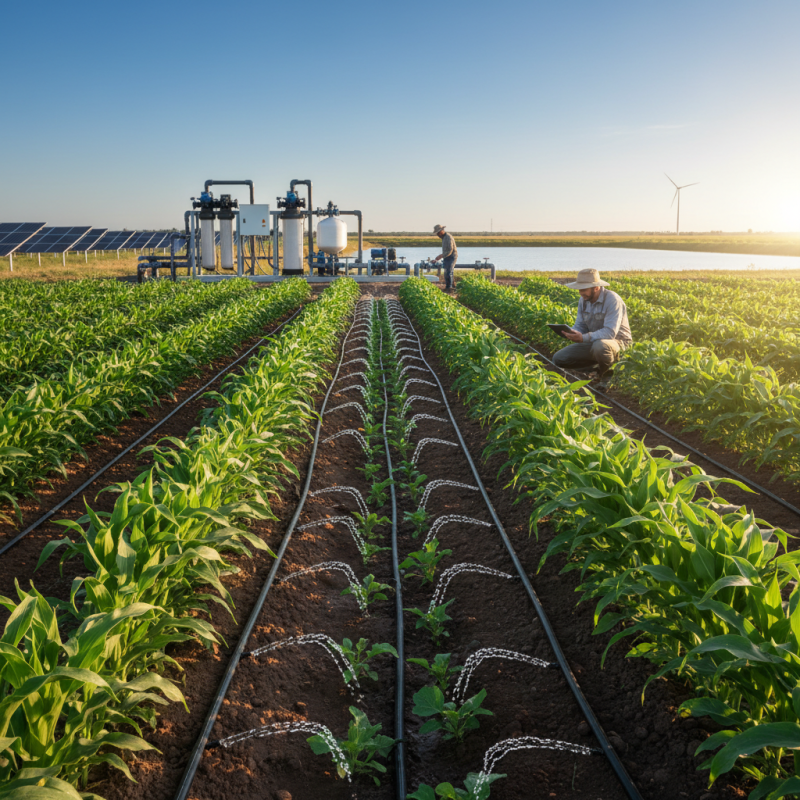
Drip irrigation is a game-changer for modern agriculture. It employs a system of tubing and emitters to deliver water directly to the plant roots. This targeted approach minimizes water wastage and increases efficiency. Farmers using drip irrigation can often reduce their water consumption by up to 50%. This not only conserves a vital resource but can also enhance crop yields.
Understanding the principles of drip irrigation is essential for maximizing its benefits. Soil moisture levels can be maintained consistently, allowing plants to thrive. Moreover, this method reduces the growth of weeds, which compete for nutrients.
However, the system requires precise management. Any clogging in emitters can disrupt water flow, leading to uneven growth. Regular maintenance is crucial.
The benefits extend beyond mere water conservation. Drip irrigation also lessens soil erosion and nutrient runoff. However, upfront installation costs can be high. Not all farmers are prepared for this investment. It’s important to weigh both the short-term challenges and the long-term advantages.
By delving deeper into drip irrigation, we can continue to enhance agricultural practices for future generations.
Key Components of an Effective Drip Irrigation System
When optimizing agriculture drip irrigation, understanding key components is crucial. An effective drip irrigation system includes emitters, tubing, and filters. Emitters distribute water directly to plants. The tubing connects the water source to the emitters. Regular maintenance of these components ensures efficient water use.
Tips: Regularly check emitters for blockages. Clogged emitters can disrupt water flow. Clean your filters frequently. This will help maintain water quality. Consider the layout of your system. An efficient design minimizes water waste and maximizes coverage.
Remember, not every field requires the same setup. Different crops have varying water needs. Testing soil moisture can provide valuable insight. It helps in adjusting application rates effectively. Frequent adjustments based on moisture levels can optimize water distribution and prevent over or under-watering.
Water pressure is another aspect to monitor. Inconsistent pressure can lead to uneven watering. Ensuring your system operates within the recommended pressure range is essential. Irrigation scheduling should adapt to weather patterns as well. Changes in rainfall can affect how much more water your crops may need.
Key Components of an Effective Drip Irrigation System
Strategies for Optimizing Water Efficiency in Drip Irrigation
In agricultural practices, efficient water use is crucial. Drip irrigation offers a precise method for delivering water directly to plant roots. To optimize this system, one must consider soil moisture levels. Monitoring tools can help assess moisture needs, avoiding over-irrigation. This precision can lead to healthier crops and reduced water waste.
Selecting the right emitters is also essential. Different soil types require different emitter flow rates. Observing how the soil retains water informs these choices. Adjustments may be needed after heavy rains or droughts to maintain optimal performance. Farming strategies should adapt, reflecting changing climate conditions.
Finally, regular maintenance of drip systems cannot be overlooked. Clogged emitters and leaks can lead to inefficiencies. Farmers should schedule periodic checks to ensure everything functions smoothly. Reflecting on past irrigation practices can reveal areas for improvement. Engaging with local agricultural experts may provide new insights into optimizing systems further.
Monitoring and Maintaining Drip Irrigation Systems for Peak Performance
Monitoring and maintaining drip irrigation systems are crucial for optimizing agricultural productivity. A recent report by the USDA notes that farms using drip irrigation can increase yield by up to 50%. This efficiency stems from precise water application, leading to reduced runoff and evaporation. However, achieving peak performance requires careful oversight.
Regular monitoring is essential. Soil moisture sensors can provide real-time data to help farmers assess water needs. A study by the Irrigation Association highlights that farms adopting these technologies see an average water savings of 30%. Yet, farmers should remember that technology alone isn’t a cure-all. System wear and tear can lead to drippers clogging, which may affect even the best setups.
Maintenance is equally important. Flushing systems regularly can prevent blockages. A failure to do so could diminish yields significantly. Some growers may overlook this aspect, thinking it is a minor issue. However, research suggests that overlooked maintenance can reduce system efficiency by 20%. Addressing both monitoring and maintenance effectively can lead to improved crop health and sustainable water use.
2026 How to Optimize Agriculture Drip Irrigation Effectively? - Monitoring and Maintaining Drip Irrigation Systems for Peak Performance
| Metric | Optimal Range | Current Average | Action Needed |
| Soil Moisture Level (%) | 30-50 | 40 | Satisfactory |
| Drip Flow Rate (L/h) | 2-4 | 3 | Satisfactory |
| Emitter Spacing (cm) | 30-50 | 40 | Satisfactory |
| Filtration Efficiency (%) | 95-100 | 90 | Enhance filtration |
| System Pressure (bar) | 1.0-2.0 | 1.5 | Satisfactory |
Innovative Technologies and Practices in Drip Irrigation for 2026
Innovative technologies are reshaping drip irrigation in 2026. Precision agriculture is one key trend. Sensors monitor soil moisture levels in real-time. This helps farmers apply water precisely when and where it is needed. It reduces water waste and enhances crop yields.
Tips for effective drip irrigation:
1. Regularly check and clean filters. Clogged filters can hinder water flow.
2. Use soil moisture sensors. They provide crucial data for better decisions.
3. Test different drip tape types. The right choice can improve efficiency.
Another promising area is the integration of AI in irrigation management. AI algorithms analyze weather patterns. They predict optimal watering schedules. This technology can lead to more sustainable practices. However, farmers must assess the costs and benefits. Not every farm may afford advanced systems.
Inefficiencies are common. Some farmers struggle with maintenance. Regular inspections are necessary to avoid leaks. Training is often overlooked. Staff may need guidance on new technologies. Continuous learning is vital for success in modern agriculture.