How to Source China Check Valves in 2026?
Sourcing a China Check Valve in 2026 requires more than comparing catalog prices. Buyers must connect valve design with pressure class, media compatibility, temperature range, and installation conditions. A stainless steel swing check valve may suit clean water, but corrosive chemicals can demand different alloys, seats, or coatings. Small details matter. Hinge pins, spring strength, gasket materials, and flow direction can affect service life.
Reliable sourcing begins with a clear technical specification. Include nominal size, connection type, pressure rating, operating temperature, material grade, inspection requirements, and applicable standards. Ask manufacturers for drawings, material certificates, pressure-test records, and traceability information. Factory experience is useful, but documented evidence is stronger. A video tour cannot replace an independent inspection. Nor can a polished website prove production capability.
Supplier evaluation should combine technical review with practical verification. Check whether the factory machines critical parts in-house or outsources them. Request production samples from the intended batch. Measure dimensions, inspect casting quality, and confirm closing performance under realistic pressure. One overlooked issue is packaging. A damaged valve face can create leakage before installation. That risk deserves attention.
Price remains important, but the lowest quotation may hide testing gaps, unstable materials, or weak after-sales support. Build a comparison sheet with delivery terms, warranty scope, spare parts, inspection costs, and communication records. Recheck every assumption. Even experienced buyers can overtrust familiar suppliers or accept unclear certificates. A careful 2026 sourcing process should leave an audit trail from inquiry to shipment. It should also preserve room for honest correction when the first sample fails to meet expectations.
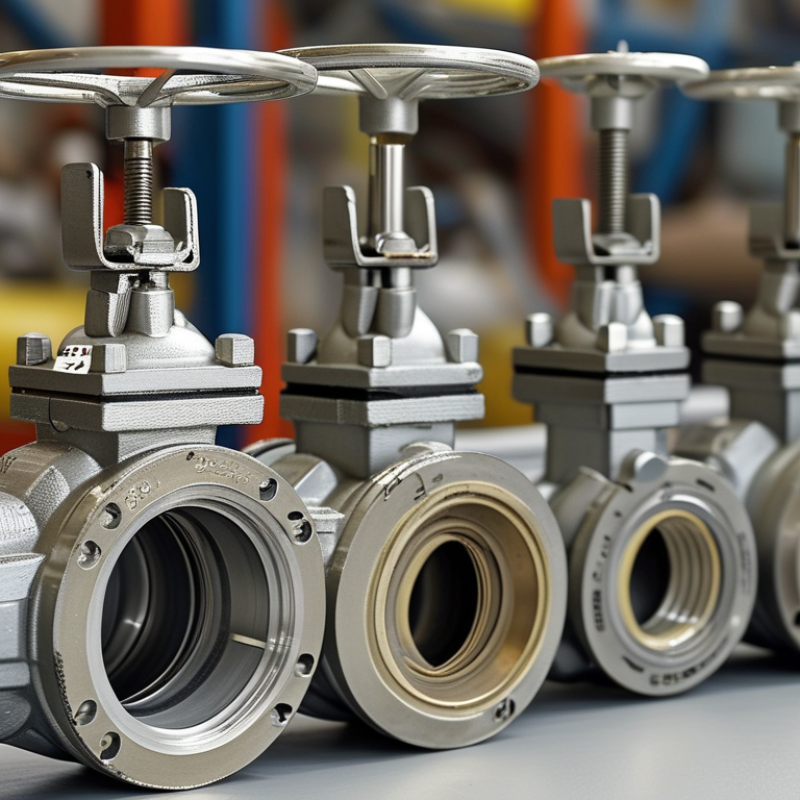
Define Check Valve Types, Standards, and Application Requirements
How to Source China Check Valves in 2026?
Define the valve type before requesting quotations. Swing check valves suit steady, low-reversal flow. Wafer and dual-plate designs save space between flanges. Lift and piston valves handle higher differential pressure. For slurry, wastewater, or corrosive chemicals, material selection becomes critical. Specify media, temperature, pressure, flow direction, cracking pressure, leakage limit, and installation position. Include connection details, such as ASME B16.5 flanges or relevant GB dimensions. The broader industrial valves market reached about USD 77.79 billion in 2023, according to Fortune Business Insights’ 2024 market report. Infrastructure demand remains strong, but check-valve requirements differ sharply by service.
Standards should be written into the purchase specification. API 594 covers many wafer, lug, and dual-plate check valves. API 6D may apply to pipeline service. ASME B16.34 defines pressure-temperature ratings and design requirements. API 598 and ISO 5208 address pressure testing and leakage assessment. China’s GB/T requirements may also apply. Confirm the current edition and avoid vague wording like “API standard.” Ask for material certificates, hydrostatic test records, dimensional reports, and traceability for pressure-retaining parts. An independent inspector can witness tests. This costs more. It may prevent expensive surprises.
Tips: Request drawings before production. Review hinge clearance and disc travel. Confirm water-hammer analysis for fast-closing systems. Compare total cost, not only unit price. A cheaper valve can create higher maintenance risk. I would also question every assumed operating value; real sites often change after installation. That small mistake matters.
Assess China Suppliers Through Certifications, Experience, and Capacity
How to Source China Check Valves in 2026?
Assess China suppliers through certifications, experience, and capacity. UNIDO’s 2024 International Yearbook reports that China produced about 31% of global manufacturing value added in 2022. That scale supports strong machining, casting, and export infrastructure. It does not prove valve competence.
Request ISO 9001 records, but verify their scope and issuing body. The ISO Survey 2023 recorded more than one million ISO 9001 certificates worldwide. A certificate can still hide weak traceability. Ask for material certificates, heat numbers, pressure-test records, and calibration reports. For oil, gas, and process applications, compare compliance with API 594, API 6D, ASME B16.34, or the required project specification. Confirm the exact valve type, pressure class, body material, seat design, and test standard.
Experience needs evidence. Review similar check-valve orders, operating pressures, media, sizes, and failure rates. Speak with two recent customers, not only the supplier’s sales team. Capacity is not competence. Visit the plant, or arrange a live video audit. Check CNC equipment, casting controls, assembly space, test benches, and finished-goods storage. Match monthly output against your forecast and peak demand. Request a production schedule with inspection hold points. I would also inspect one random valve before shipment; polished documents sometimes conceal inconsistent workmanship. This step feels slow, but one rejected batch can cost more than the audit. Supplier evaluation should remain documented, repeatable, and open to revision.
Compare Materials, Designs, Prices, and Manufacturing Specifications
How to Source China Check Valves in 2026?
Material selection should follow the fluid, temperature, pressure, and installation environment. Stainless steel suits corrosive water and many chemical services. Ductile iron can reduce costs in general industrial pipelines. Bronze remains practical for some clean-water applications. Plastic valves may work well in low-pressure systems, but temperature limits need careful review. Do not choose material from a product photo. Request body, disc, spring, and seat specifications. Design also matters. Swing check valves suit larger pipelines with moderate flow. Wafer and lift designs can save space. Spring-loaded models may close faster and reduce reverse flow. However, faster closure can create water hammer. Ask the manufacturer to explain the trade-off.
Tips: Compare at least three quotations using the same specification sheet. Check pressure class, connection standard, size range, sealing material, flow direction, and test pressure. A low unit price may exclude machining, coating, inspection, or export packing. Request drawings before production. Confirm critical dimensions in writing. Small differences matter. Also review manufacturing controls, including casting inspection, CNC machining, assembly checks, pressure testing, and batch traceability. Ask for test records linked to valve numbers. Independent inspection can verify wall thickness, marking, and leakage performance.
Pricing should be judged by service life, not only purchase cost. A cheaper seat may harden early. That mistake becomes expensive. I would also question unusually short delivery promises, especially for customized springs or coatings. Supplier communication is useful evidence, but it is not proof. Keep a sample approval process, define acceptance criteria, and leave room for technical correction after the first batch.
Verify Quality Control, Testing Procedures, and Pre-Shipment Inspection
How to Source China Check Valves in 2026?
Quality control should begin before production, not during loading. The ISO Survey 2023 recorded 1,265,216 ISO 9001 certificates worldwide. Certification helps, but it does not prove every valve is reliable. Ask for material certificates, heat numbers, drawing approval, and traceability records. Confirm the body material, seal compound, pressure class, and flow direction against the purchase specification. Records matter.
Testing should follow recognized requirements, such as API 598, ISO 5208, or an agreed equivalent. Require shell hydrostatic testing, seat leakage testing, and functional checks for every production lot. Record pressure, duration, medium, temperature, and leakage result. For stainless steel parts, PMI can identify material mix-ups. A practical sample audit should also inspect disc movement, hinge clearance, gasket seating, and coating thickness. A clean report can still hide a weak lot.
Pre-shipment inspection should occur after testing and before final packing. Count cartons, photograph nameplates, verify serial numbers, and compare packing lists with the approved order. The World Bank’s 2023 Logistics Performance Index gave China a logistics score of 3.7 out of 5, but transport performance cannot replace product verification. I would hold shipment when evidence is incomplete. That may delay delivery. It is still cheaper than discovering reverse leakage after installation. Sampling plans deserve careful review; rushed acceptance is an easy mistake.
How to Source China Check Valves in 2026?
Verify quality control, testing procedures, and pre-shipment inspection against recognized valve-testing requirements.
Quality Control Confirm material certificates, body and trim identification, dimensional checks, casting quality, and traceability records.
Testing Procedure API 598 commonly specifies a shell hydrostatic test at 1.5 times the valve pressure rating and a high-pressure closure test at 1.1 times the rating.
Pre-Shipment Inspection Review test reports, inspect marking and coating, verify packing quantities, and witness random functional and leakage checks before release.
Reference benchmark: API 598 pressure-test ratios. Always confirm the applicable standard edition, valve design, pressure class, temperature, and purchase specification before testing.
Manage Contracts, Shipping, Customs, and Long-Term Supplier Relations
Sourcing China check valves in 2026 requires more than comparing unit prices. In practice, clear contracts prevent expensive misunderstandings. Specify valve size, body material, pressure rating, connection type, sealing material, and test requirements. Attach approved drawings to the purchase agreement. Include inspection rights, replacement duties, delivery dates, and payment milestones. A small detail matters: define what happens when a supplier changes a casting method without approval. That mistake can affect performance.
Keep shipping documents consistent with the contract. The commercial invoice, packing list, bill of lading, and origin details should describe the same goods. Confirm the correct customs classification with a qualified broker before shipment. Do not rely on copied codes from an old order. Classification rules and duty treatment can change. Choose shipping terms carefully, then identify who controls insurance, inland transport, and port charges. Before loading, inspect random cartons and record pressure-test results, serial numbers, dimensions, and package condition. Photos help, but they are not a complete inspection.
Long-term supplier relations need measurable routines, not friendly messages alone. Review defect rates, response times, delivery accuracy, and corrective actions each quarter. Pay on time when goods meet the agreed requirements. Raise problems with evidence, not accusations. A shared corrective-action report can protect the relationship and improve future batches. Still, dependence on one supplier creates risk. Maintain a qualified backup source, even when the primary supplier performs well. My own weak point is often overestimating early communication; written confirmation remains safer than memory.