Why Are HDPE Drums Essential for Safe and Efficient Storage?

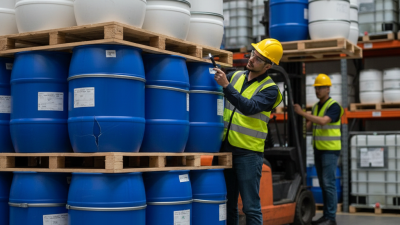
HDPE drums play a crucial role in the safe and efficient storage of various materials. According to a recent report by the Industrial Packaging Association, the demand for HDPE drums is expected to grow by 5% annually. This growth reflects their vital importance in sectors such as chemicals, food, and pharmaceuticals. Experts argue that these drums provide both durability and security, essential for storing hazardous substances.

Dr. Emily Carter, a leading authority on industrial packaging, emphasizes, "HDPE drums offer unmatched protection against leaks and contamination." These drums are lightweight yet robust, making them easier to handle while ensuring safety. However, not all HDPE drums meet industry standards. This raises concerns regarding quality control and potential risks in storage practices.

With various applications, HDPE drums must be chosen carefully. The variation in quality presents challenges, particularly for industries relying on strict safety regulations. A compromised drum can lead to significant losses and hazards. Therefore, understanding the importance of high-quality HDPE drums cannot be overstated. Investing in superior options improves safety and enhances operational efficiency.
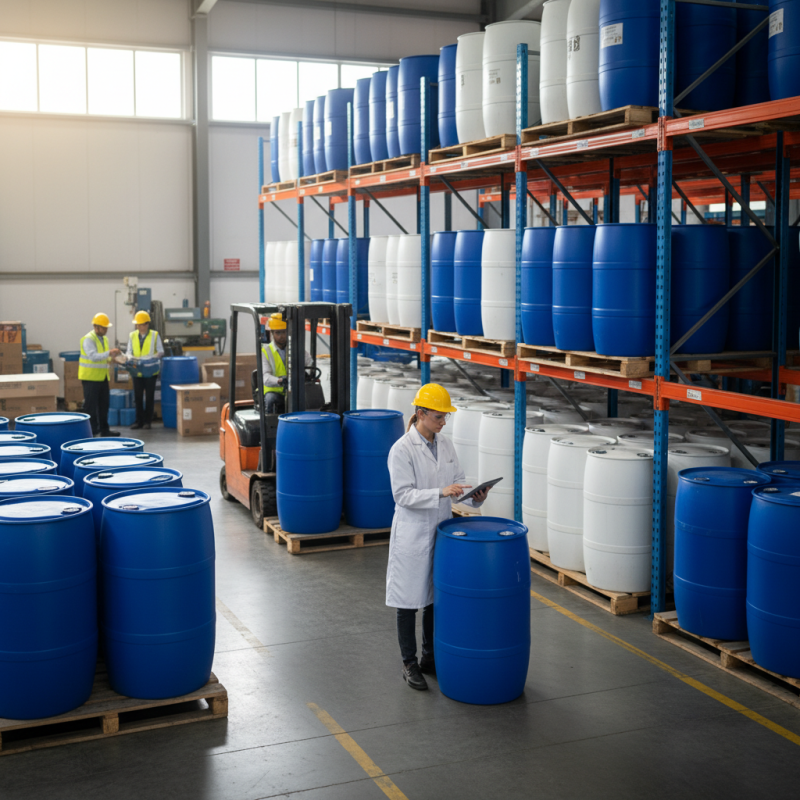
Why Are HDPE Drums Essential for Safe and Efficient Storage?

Importance of HDPE Drums in Hazardous Material Storage

When it comes to hazardous material storage, HDPE drums play a critical role. These high-density polyethylene drums are known for their durability. They offer resistance to chemical reactions, making them ideal for storing various substances. Unlike metal containers, HDPE drums do not corrode over time. This quality ensures that the contents remain secure and uncontaminated.

However, not all HDPE drums are created equal. Ensuring proper selection is important. Users must consider the specific materials being stored. Many overlook the importance of checking compatibility. Using an unsuitable drum can lead to leaks or failures. Training staff on proper handling and storage techniques is essential.

While HDPE drums are reliable, they do have limitations. They should be inspected regularly for wear and tear. Even small cracks can compromise safety. Awareness of the storage environment is also key. Temperature changes can affect the integrity of the drum. Proper maintenance is vital for ensuring safety and efficiency. Being vigilant can prevent disasters that may result from negligence.
Durability and Chemical Resistance of HDPE Drums

HDPE drums are crucial for various industries due to their durability and chemical resistance. High-density polyethylene (HDPE) is known for its sturdy build, allowing these drums to withstand tough conditions. Studies indicate that HDPE can resist impacts without cracking, even at low temperatures. This resilience is why many industries rely on HDPE drums for transporting and storing chemicals.

Chemical resistance is another standout feature. HDPE drums can handle a wide range of substances, including acids and bases. According to the American Chemistry Council, HDPE shows excellent resistance to over 90% of commonly used chemicals. This quality minimizes risks in environments where chemical reactions could occur. However, not all HDPE drums perform equally. It's important to select drums that meet specific chemical compatibility standards to prevent leaks or reactions.

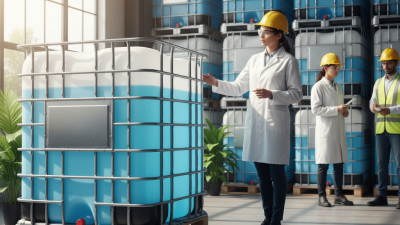
The design of HDPE drums further enhances their utility. Many are stackable, conserving storage space. Yet, improper stacking can compromise their structural integrity. Moreover, while HDPE is resistant, it's not immune to UV degradation. Long-term outdoor exposure can weaken these drums. Regular inspections are critical to ensure safety and longevity in storage.

Cost-Effectiveness of Using HDPE Drums in Bulk Storage

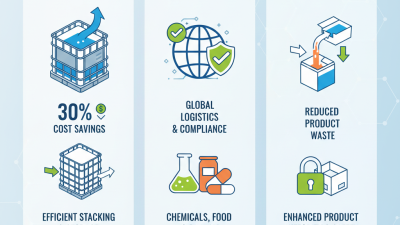
HDPE drums are a popular choice for bulk storage due to their cost-effectiveness. They are lightweight yet durable, making them easy to transport. The strength of HDPE materials ensures that products remain safe through various storage conditions. By using these drums, companies can save on shipping and handling costs. This can lead to a significant reduction in overall operational expenses.

Investing in HDPE drums may seem expensive initially. However, their longevity compensates for the upfront costs. Unlike other storage options, HDPE is resistant to corrosion and degradation. This means fewer replacements are needed over time. Logistics teams often face challenges in managing storage costs. HDPE drums provide an effective solution. Their versatility allows for the storage of a wide range of materials. As such, organizations can optimize inventory management and reduce waste.

It’s crucial to consider the environmental impact of storage choices. Some may overlook the recycling capabilities of HDPE. Many of these drums can be repurposed or recycled. However, the processes are not always streamlined. Companies must reflect on their waste management practices. Inadequate recycling efforts can lead to environmental harm. Evaluating these aspects while seeking cost-effectiveness is necessary for sustainable practices.

Regulatory Compliance and Safety Standards for HDPE Drum Usage

Why Are HDPE Drums Essential for Safe and Efficient Storage?

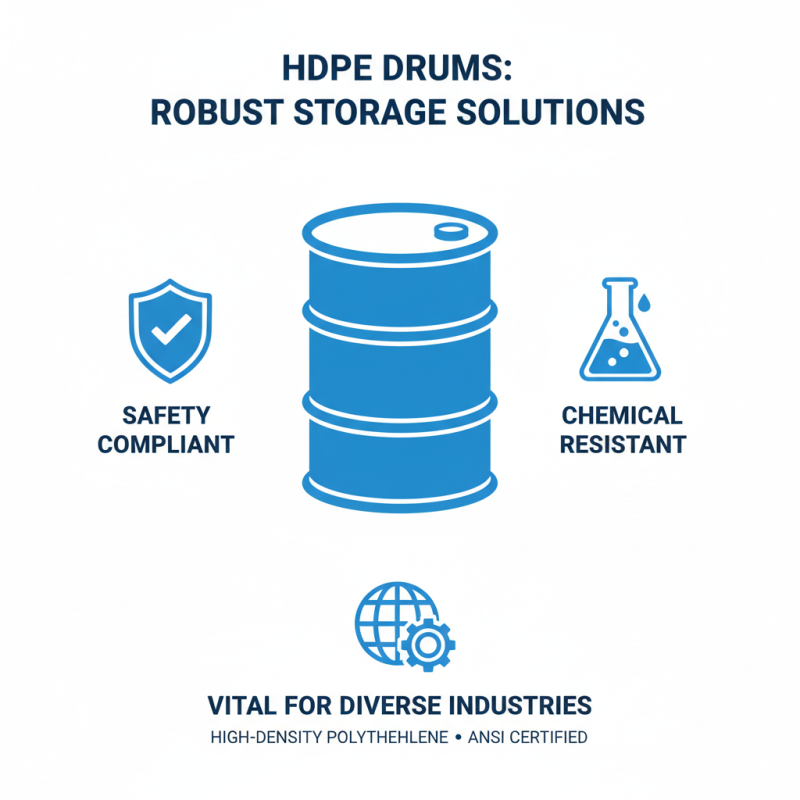
HDPE drums have become vital in various industries. They offer robust storage solutions, primarily due to their compliance with safety standards and regulations. According to the American National Standards Institute (ANSI), these drums are made from high-density polyethylene, which provides excellent chemical resistance. This resistance is crucial for storing hazardous materials safely.

Regulatory bodies like the Occupational Safety and Health Administration (OSHA) emphasize the importance of using proper containers. In a recent study, over 30% of chemical spills were linked to improper storage. HDPE drums can help mitigate these risks when used correctly, adhering to established protocols.

**Tip:** Always label your HDPE drums clearly. Labels should indicate contents and hazard levels. This practice reduces confusion and enhances safety.

In addition, environmental standards require proper disposal of outdated or damaged containers. Using HDPE drums helps facilities meet these regulations. However, it’s essential to regularly inspect and replace any drums showing signs of wear. Ignoring this can lead to leaks and severe consequences.

**Tip:** Schedule routine inspections every three months. Keeping track of drum conditions ensures compliance and prevents potential hazards.

Environmental Impact and Recyclability of HDPE Drums

HDPE drums are widely recognized for their durability and resistance to various chemicals. However, their environmental impact and recyclability are equally important factors to consider. When HDPE drums reach the end of their life cycle, they can be recycled into new products. This reduces waste and conserves resources. The recycling process for HDPE is efficient, often resulting in reusable materials such as new containers or even textiles.

Despite these advantages, not all facilities have proper recycling programs. Some drums may end up in landfills, which is a missed opportunity. Improper disposal leads to pollution and waste, undermining the benefits of HDPE. Communities need access to recycling facilities to maximize the environmental advantages.

Furthermore, the production of HDPE drums involves energy and raw materials. This raises questions about sustainability and encourages industries to explore greener alternatives. A transparent look at the life cycle of these drums can aid in better decision-making. Investing in better recycling infrastructure and promotion of sustainability practices is essential for a cleaner future.

Environmental Impact and Recyclability of HDPE Drums

Get in touch with us,
We will contact you shortly!

Get in touch with us by filling up the enquiry form. We will contact you shortly!

    What is the difference between Unline(Non-Epoxy Coated) or Lining(Epoxy Coated) Metal Drum?

    What are Unline(Non-Epoxy Coated) and Lining(Epoxy Coated) drums compatible with?

    What is the difference between Grade A and Grade B Metal Drum ?

    What content is suitable to fill in a Recon Grade A or Grade B Drum?

    What is the difference between Open Top and Close Top Drums and their usage?

    What type of content are Metal or Plastic Drums suitable for?

    Will there be any contamination in the reconditioned metal, plastic drums or IBC tanks?

    What is the drum gauge(thickness) and weight for reconditioned metal drums?

    Do you sell New Packaging Products too?

    What additional services do you provide apart from selling reconditioned and new containers.?

    Do you offer labelling and silkscreen on the containers ?

    Are you able to ship overseas ?

    Leading the Way
    to Carbon Neutrality

    Drumming sustainability into every aspect of our operations, we strive to create a greener and more conscious future for generations to come.
    Contact Us
    WhatsApp
    Email
    Join Our Newsletter

    Sign up for our newsletter for exclusive discounts and latest news of new launches!

      Logo Logo Logo Logo Logo
      Scroll to Top