
How to Choose the Best Electric Hoist Winch in 2026?
Choosing the best Electric Hoist Winch in 2026 requires more than comparing lifting capacity and price. The correct choice depends on load weight, lifting height, duty cycle, control precision, installation space, and maintenance access. A 2-ton hoist may appear sufficient, yet repeated shock loading can quickly expose an undersized motor, brake, or gearbox.
Industry data supports a careful approach. MHI’s 2024 Annual Industry Report found that 91% of supply-chain professionals planned to increase technology investment within two years. However, investment alone does not guarantee safer lifting. OSHA 1910.179 and ASME B30.16 emphasize rated capacity, inspection, operating controls, and proper maintenance. These requirements should guide every product comparison.
As lifting-equipment specialist Mike Parnell has warned, “Training is not a one-time event.” That reminder matters. The most advanced Electric Hoist Winch still depends on trained operators, documented inspections, and realistic application planning. Look closely at brake response, pendant ergonomics, overload protection, IP rating, noise, and spare-parts availability. Ask uncomfortable questions.
What happens during a power interruption?
Can technicians service it safely?
A common mistake is choosing maximum capacity instead of suitable capacity. Excess capacity can increase cost and reduce practical efficiency. This guide examines the evidence, specifications, and field details that matter when selecting an Electric Hoist Winch in 2026. Some recommendations may need adjustment, because every workshop, warehouse, and construction site behaves differently.
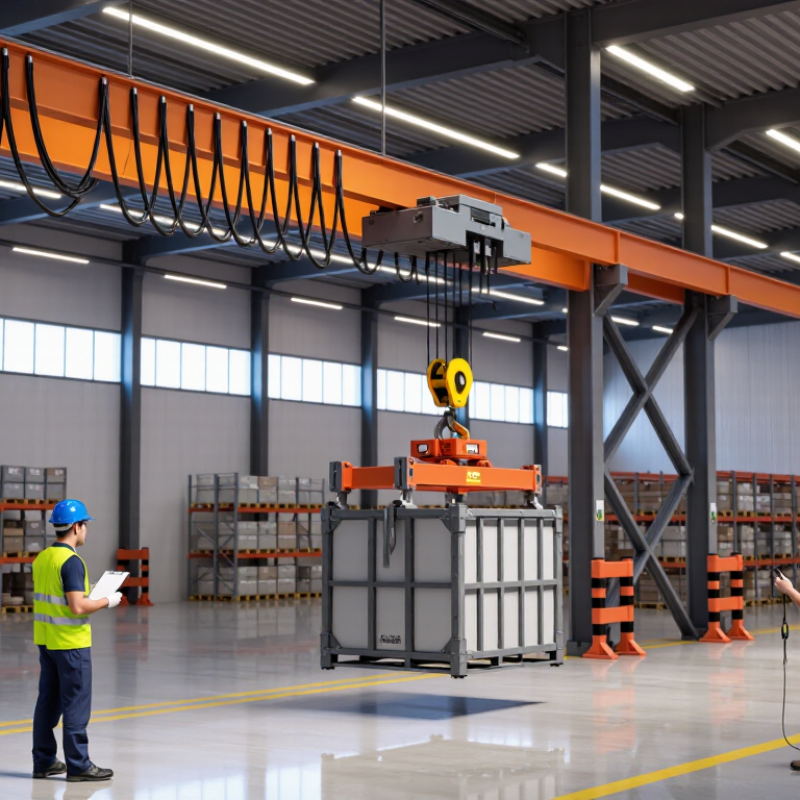
Define Your Lifting Needs and Operating Conditions
Choosing the best electric hoist winch in 2026 begins with a clear lifting profile. Define the load, lift height, travel distance, and daily operating hours. A 500-kilogram load lifted twice daily needs different equipment from a 300-kilogram load moved every ten minutes. Record the heaviest realistic load, not only the usual one. This small detail prevents costly oversizing or unsafe underestimating.
Operating conditions matter just as much. Measure available voltage before selecting the motor and controls. Check whether the workspace is dusty, humid, cold, or exposed to outdoor weather. A clean warehouse allows different protection than a damp loading area. Consider headroom, beam strength, trolley movement, and the operator’s viewing angle. Remote controls can improve distance and visibility, but they still require clear communication procedures. Leave room for inspection access.
I once focused too heavily on lifting capacity and overlooked duty cycle. The equipment worked, but its repeated starts created unnecessary heat. That mistake changed my selection process. I now compare rated capacity, cycle frequency, braking performance, emergency controls, and maintenance access together. Verify the supporting structure with a qualified professional. Follow the manufacturer’s operating instructions and applicable workplace requirements. Test the planned lifting path with an unloaded movement first. It may reveal obstructions, poor visibility, or an awkward control position before real work begins.

Compare Hoist Winch Types, Capacities, and Power Sources
Choosing an electric hoist winch in 2026 starts with identifying the movement required. An electric chain hoist suits repeated vertical lifting in workshops, warehouses, and maintenance areas. A wire rope hoist handles greater lift heights and heavier loads more comfortably. An electric winch is mainly designed for pulling, dragging, or positioning, not unrestricted overhead lifting. They may look similar. Their safety systems are not interchangeable.
Compare capacity beyond the headline rating. Check the working load limit, lift height, lifting speed, duty cycle, and available headroom. A 1,000-kilogram rating does not mean every setup safely lifts 1,000 kilograms. Chain length, rope reeving, load balance, and attachment points can change performance. Leave a practical margin. Real work is rarely as tidy as a catalog table.
Power source affects installation and reliability. Single-phase power works well for lighter workshop equipment, while three-phase power supports smoother operation and demanding duty cycles. Battery-powered hoists offer mobility, but runtime drops in cold conditions or during frequent lifting. Verify voltage, control distance, grounding, overload protection, emergency stopping, brakes, and upper-limit switches. I once underestimated duty cycle during equipment selection; the motor ran hotter than expected. That mistake changed my checklist. Record the load pattern, inspect chains or ropes regularly, and compare the stated ratings with local lifting requirements before purchase.
Evaluate Safety Features, Controls, and Load Protection
How to Choose the Best Electric Hoist Winch in 2026?
Evaluate Safety Features, Controls, and Load Protection
A reliable electric hoist winch should make safe operation obvious. Check the rated capacity, lifting speed, duty cycle, and operating temperature before comparing prices. The rated load must exceed the real lifting requirement, including slings, hooks, and sudden movement. Never treat the maximum rating as a comfortable target. Leave a practical safety margin.
Inspect the emergency stop, pendant controls, and direction labels. Buttons should respond clearly, even with gloves. Wireless controls need secure pairing and a fail-safe stop function. Test the upper and lower limit switches before lifting anything valuable. Watch the hook. It should move smoothly without twisting, slipping, or unusual noise. A mechanical brake should hold the load when power stops. Overload protection, thermal cut-off, and controlled starting can reduce damage from stalled motors or voltage changes. Small details matter.
Load protection also depends on the operator. Keep the load centered, inspect the chain or wire rope, and prevent side pulling. A bright control panel is not proof of dependable protection. Ask for test records, maintenance instructions, and compliance documentation for applicable local standards. Ratings can be misunderstood, especially when lifting conditions change. I would still test the system with a light load first, then increase weight carefully. That cautious step may feel slow, but it can reveal poor braking, delayed controls, or inaccurate limit settings.
How to Choose the Best Electric Hoist Winch in 2026? - Evaluate Safety Features, Controls, and Load Protection
The reference configurations below are practical selection benchmarks for electric hoist winches. Actual suitability depends on the rated capacity, lifting class, installation arrangement, environment, duty cycle, and applicable local regulations.
| Reference Configuration | Rated Capacity | Typical Lift Height | Typical Lifting Speed | Recommended Duty Level | Control Arrangement | Safety and Load-Protection Features | Brake Requirement | Limit-Switch Arrangement | Recommended Ingress Protection | Applicable Selection References | Best-Fit Application |
|---|---|---|---|---|---|---|---|---|---|---|---|
| Compact Light-Duty Configuration | 0.5 t / 500 kg | Up to 6 m | Approximately 4–8 m/min | Light, intermittent use; confirm the manufacturer’s duty classification | Low-voltage pendant control with clearly labeled up, down, and emergency-stop functions | Required Mechanical overload protection, upper and lower travel limits, emergency stop, and a load-rated hook with safety latch | Fail-safe holding brake that engages when power is removed | Upper limit switch required; lower limit switch recommended where over-lowering could damage the rope or drum | IP54 minimum for clean, dry indoor areas | Check ASME B30.16 or EN 14492-2 requirements, together with local electrical and lifting regulations | Workshops, maintenance areas, light material handling, and occasional service lifting |
| General-Purpose Configuration | 1 t / 1,000 kg | Up to 9 m | Approximately 4–8 m/min | Regular intermittent operation; select the duty class from expected operating cycles and load spectrum | 24 V or comparable low-voltage pendant; radio control may be used when the operator needs a clear view of the load | Required Calibrated overload limiter, dual travel limits where applicable, emergency stop, phase-loss protection, and guarded controls | Electromagnetic or spring-applied brake designed to hold the rated load during power failure | Upper and lower limit switches, with independent stopping action where required by the design | IP55 for normal industrial indoor environments | Verify rated capacity, working load limit, inspection intervals, and electrical protection against the applicable standard | Fabrication shops, warehouses, machine maintenance, and general production areas |
| Heavy-Duty Production Configuration | 2 t / 2,000 kg | Up to 12 m | Approximately 3–6 m/min | Frequent lifting; choose a documented ISO or FEM duty classification suitable for the planned load spectrum | Low-voltage pendant or radio remote control with a separate emergency-stop circuit and optional two-speed operation | Required Overload limiter, thermal motor protection, phase-sequence or phase-loss monitoring, upper/lower limits, emergency stop, and positive hook latch | Brake must be rated for the maximum working load and tested as part of the inspection program | Upper and lower limits; consider an additional backup limit or slack-rope protection for complex reeving | IP55 minimum; IP65 may be preferable where dust or water exposure is significant | Use the applicable ASME, EN, ISO, electrical, workplace-safety, and inspection requirements for the installation location | Production lines, steelwork, equipment installation, and repetitive industrial lifting |
| High-Capacity Industrial Configuration | 5 t / 5,000 kg | Up to 15 m | Approximately 1.5–4 m/min | Heavy or frequent service; duty classification must be matched to starts per hour, operating time, and load spectrum | Remote control or pendant control with guarded emergency stop, anti-tangle cable management, and optional variable-speed drive | Required Tested overload protection, motor thermal protection, phase monitoring, travel limits, emergency stop, load hook latch, and clearly visible rated-capacity marking | Industrial fail-safe brake with documented holding capacity, wear inspection, and maintenance access | Redundant or independently monitored upper limit protection is recommended for high-consequence lifting operations | IP65 for dusty, damp, or washdown-prone areas, provided all connected components have compatible protection ratings | Confirm structural support, rope or chain selection, electrical isolation, inspection, and operator-training requirements before installation | Heavy manufacturing, plant maintenance, equipment positioning, and demanding industrial service |
| Outdoor or Harsh-Environment Configuration | 1–5 t / 1,000–5,000 kg | Application-dependent | Usually 1.5–6 m/min | Determine duty from the actual lifting cycle, weather exposure, and ambient temperature | Sealed pendant or industrial radio control; emergency stop must remain accessible and clearly identified | Recommended Overload limiter, thermal protection, corrosion-resistant hook and hardware, travel limits, emergency stop, and protection against moisture ingress | Fail-safe brake suitable for the specified temperature, humidity, and contamination conditions | Upper and lower travel limits; add slack-rope, drum-overrun, or anti-two-block protection when the installation requires it | IP65 or higher where justified by the environment; verify the rating of the complete system, not only the motor | Review IEC 60529 ingress-protection ratings and all local requirements for outdoor electrical and lifting equipment | Outdoor yards, water-treatment facilities, covered loading areas, and exposed maintenance locations |
Selection rule: Never choose a hoist winch solely by maximum capacity. The rated capacity must exceed the intended working load, while the support structure, rope or chain, hook, brake, controls, duty classification, and inspection program must be suitable as a complete lifting system. Do not use the overload limiter as a normal operating control.
Check Construction Quality, Installation, and Maintenance Needs
Choosing the best electric hoist winch in 2026 starts with construction quality, not lifting capacity alone. Inspect the steel frame, weld consistency, drum alignment, brake response, and cable protection. A solid unit should move smoothly without rattling under light loads. Its rated capacity must exceed the regular working load, not just the heaviest possible lift. The U.S. Bureau of Labor Statistics recorded 5,283 fatal work injuries in 2023. That figure reinforces one point: lifting equipment deserves disciplined selection and testing.
Tips: Request load-test records, inspection certificates, and electrical protection details. Check emergency stops, limit switches, overload protection, and pendant controls before installation. Poor grounding or undersized wiring can damage a reliable hoist. Follow ASME B30.16 guidance and applicable OSHA requirements. Installation errors are common, especially when mounting height and beam compatibility receive little attention.
Maintenance needs should be visible before purchase. Look for accessible gearboxes, replaceable brake components, sealed controls, and clear lubrication points. OSHA requires regular inspection practices for overhead lifting equipment, while maintenance frequency depends on duty cycle, environment, and usage. Dust, moisture, and corrosive air shorten service life. Keep a dated log for inspections, cable wear, brake adjustment, and unusual noise. A monthly check may be insufficient in heavy production. I would not assume a quiet motor means a healthy hoist; hidden brake wear can develop without dramatic warning. Safety margins should be reviewed whenever loads, shifts, or installation conditions change.
Balance Performance, Compliance, Warranty, and Total Cost
How to Choose the Best Electric Hoist Winch in 2026?
Choosing an electric hoist winch requires more than checking maximum lifting capacity. Match the rated load, lifting speed, duty cycle, and available power to your daily work. A unit lifting 500 kilograms occasionally may need different specifications from one operating every few minutes. Inspect the brake response, hook latch, chain condition, pendant controls, and emergency stop. These small details affect safety and downtime. A quiet motor is useful, but reliable braking matters more.
Tips: Ask for test records, inspection guidance, and clear compliance documents. Confirm the warranty period, covered components, response process, and service exclusions. Read the fine print. Also calculate total cost, including installation, training, inspections, spare parts, energy use, and planned maintenance. A cheap purchase can become expensive after repeated repairs.
Compliance should fit the operating location and lifting environment. Check applicable local regulations and required certifications before purchase. Consider dust, humidity, temperature, headroom, and available mounting strength. In practical evaluations, buyers often focus on lifting speed and overlook service access. That is a mistake. A technician may need extra hours to reach a brake or replace a control cable. I would not treat a long warranty as proof of quality either. Warranty terms depend on correct use, documented maintenance, and approved repairs. Keep those records from day one.
Article Source:
Get in touch with us,
We will contact you shortly!
What is the difference between Unline(Non-Epoxy Coated) or Lining(Epoxy Coated) Metal Drum?

Unline drums with internally bare metal surface is more susceptible to corrosion and rust while Lining drums are internally coated with Phenolic Epoxy Coating to provide a non-reactive barrier between the drum surface and your product, less risk of contamination. Note: Our Unline drums are coated with an anti-rust agent after washing to reduce risk of rust.
What are Unline(Non-Epoxy Coated) and Lining(Epoxy Coated) drums compatible with?

In Singapore, Recon Unline Drums are usually more costly than Recon Lining Drums. Hence, we recommend Recon Unline Drums to fill aromatics like Thinner, Xylene, Toulene& other solvents like Hexane, BA, CA, EA, MC, White spirit, etc.
We recommend the lower-priced Recon Lining Drums to fill hydrocarbons like IPA, Methanol, Ethanoland oil-based products like diesel, petrol, lubricants, engine, hydraulic, base, transmission fluid, additives, waste oil, etc.;
What is the difference between Grade A and Grade B Metal Drum ?

Grading of used drums are usually based on physical conditions like rustiness, deformities and residual contents. Grade A drums are totally free from internal rust, serious dents and are easy to clean. Grade B drums have different degrees of rust internally and aesthetically inferior compared to Grade A drums.
What content is suitable to fill in a Recon Grade A or Grade B Drum?

Recon Grade A drum is suitable to fill more costly virgin grade products while Recon Grade B drum is more suitable for recycled or waste products.
What is the difference between Open Top and Close Top Drums and their usage?

Closed top drums are for water and other liquid products. Open Top drums can be used for liquid too but are primarily for more viscous products. The Open Top (or open head with a lid) allows you to get in and out of the drum with your product easier.
What type of content are Metal or Plastic Drums suitable for?

Metal drums offer additional protection when dealing with potentially flammable substances. They provide superior fire resistance, impact protection, and longevity for storing class 1, 2, and 3 volatile chemicals.
Plastic HDPE Drums are suitable for corrosive chemicals like acids, alkaline and also water-based products.
Will there be any contamination in the reconditioned metal, plastic drums or IBC tanks?

All our reconditioned containers (metal/plastic drums, carboys, IBC tanks) are washed thoroughly with specially formulated cleaning agent, rinsed with clean water, dried, and tested for possible leakages during the recondition process. Stringent quality inspection is being conducted 100% on every reconditioned product before they are qualified for sale & delivery.
What is the drum gauge(thickness) and weight for reconditioned metal drums?

Reconditioned metal drums gauge can be 0.9mm to 1.0mm all round. Their weight can vary from 16 to 18kg.
Do you sell New Packaging Products too?

Yes, we are also a distributor for new pallets, metal drums, plastic drums, carboys, IBCs and stainless-steel tanks.
What additional services do you provide apart from selling reconditioned and new containers.?

We are an NEA licensed toxic industrial waste collector, who can collect and dispose of used toxic waste containers in Singapore.
Do you offer labelling and silkscreen on the containers ?

We can provide labelling and silk-screening on the containers.
Are you able to ship overseas ?

Yes, we can arrange export our products to any country in the world.
Leading the Way
to Carbon Neutrality