
How to Choose the Right Drip Line Pressure Regulator for You?

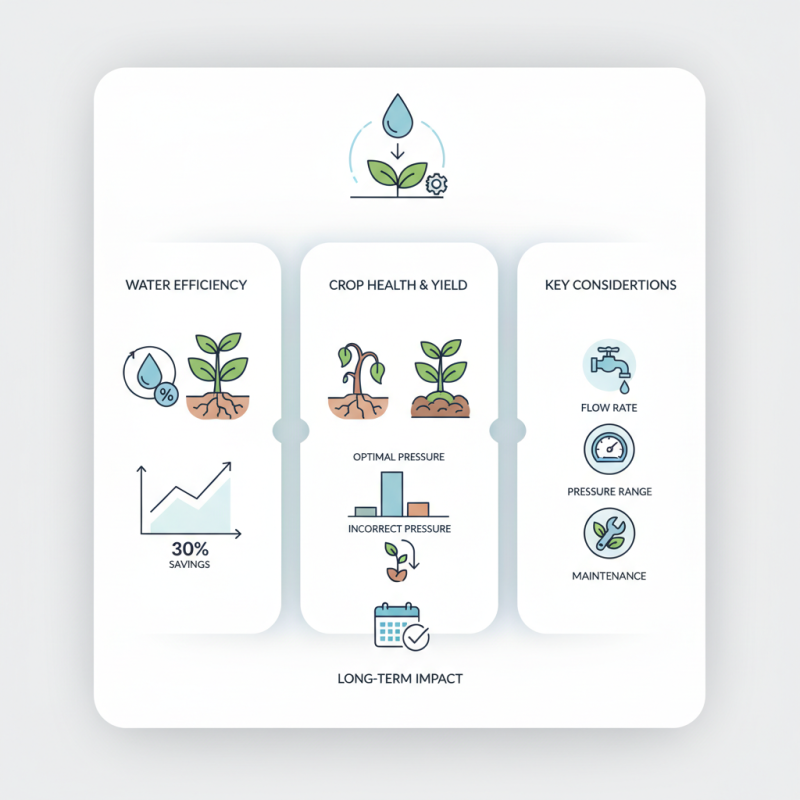
Choosing the right Drip Line Pressure Regulator is crucial for effective irrigation. Recent studies show that proper pressure regulation can improve water efficiency by up to 30%. This not only conserves water but also enhances plant health, ensuring they receive optimal moisture.

Farmers often face the challenge of selecting a regulator that suits their specific needs. A pressure regulator that is too high can waste water, while one that is too low may not deliver enough pressure. Industry experts emphasize the importance of understanding local soil conditions and crop requirements. Data suggests that miscalculations in pressure can lead to crop failures, directly impacting yield.

Selecting the appropriate Drip Line Pressure Regulator requires careful consideration. It’s essential to evaluate factors such as flow rate, pressure range, and maintenance requirements. Note that choices made today will influence irrigation efficiency tomorrow. Reflecting on these aspects can lead to more informed decisions that benefit both the environment and agricultural productivity.
How to Choose the Right Drip Line Pressure Regulator for You?

Understanding Drip Line Pressure Regulators and Their Importance

Understanding drip line pressure regulators is crucial for efficient irrigation. These devices help maintain a consistent water pressure in your drip irrigation system. Studies by the Irrigation Association reveal that improper pressure can lead to uneven water distribution, potentially wasting water and harming crops.

Choosing the right regulator depends on your specific needs. For example, low-pressure systems typically require a different regulator compared to high-pressure systems. Look for a regulator that matches your water source pressure for optimal performance. According to research, a well-chosen regulator can improve water efficiency by up to 30%.

Tips: Always check the manufacturer's specifications. Compare the flow rates and pressure settings. Consider your landscape's unique needs when selecting a regulator.

Remember, the effectiveness of drip irrigation hinges on proper pressure management. Many users overlook this, leading to inefficiencies. Regular maintenance and testing of pressure levels can help identify potential issues early. Inaccurate pressure may require adjustments to meet the demands of your plants effectively.


Key Factors in Selecting the Right Pressure Regulator for Drip Irrigation

When choosing a pressure regulator for drip irrigation, it's vital to consider several key factors that can impact performance. One critical measure is the flow rate capacity. Studies indicate that most drip systems require regulators that manage flow rates between 10 to 30 gallons per hour. Not addressing this can lead to uneven watering and potential plant stress.

Another significant factor is the pressure range. Ideal operating pressure typically falls between 8 to 12 PSI. However, many users experience pressure fluctuations. This can cause under or over watering. A regulator that can efficiently handle these variations ensures consistent water delivery. According to irrigation guidelines, pressure that varies significantly from recommended levels can decrease system efficiency by up to 50%.

Lastly, consider the size of your irrigation system. A large-scale system may require multiple regulators to maintain uniform pressure. Inadequate sizing can lead to localized flooding or drought conditions. It's common for even experienced users to overlook this detail. Evaluating your specific needs can improve your irrigation setup significantly.

Comparing Different Pressure Regulator Types and Their Specifications

Choosing the right drip line pressure regulator can be challenging. There are various types available, each with unique specifications. Common types include manual, automatic, and adjustable pressure regulators. Manual regulators allow users to set pressure levels, while automatic regulators adjust pressure based on water flow. Adjustable ones offer flexibility for changing conditions.

When comparing specifications, flow rate is a critical factor. High flow rates might not need the same pressure as low flow systems. Pay attention to the PSI ratings too. Some regulators work efficiently at low pressure, while others excel at higher pressures. The material used in construction affects durability. Plastic models might be lighter, but metal regulators often last longer.

Personal preferences should also guide your choice. Do you prefer simplicity or customization? Some users might find complexity daunting, leading to less efficient watering. It's essential to weigh these aspects against your irrigation needs. Everyone makes mistakes in the selection process. Reflecting on past choices can lead to better decisions in the future.

Evaluating Pressure Ratings and Flow Rates for Optimal System Performance

When selecting a drip line pressure regulator, understanding pressure ratings and flow rates is crucial. Proper regulation is vital for optimal system performance. Pressure ratings typically range from 10 to 30 PSI, depending on your specific needs. A study by the Irrigation Association indicates that systems running above 25 PSI may experience more pressure losses and inefficient water usage.

Flow rates also play an important role. For instance, a flow rate of 0.5 to 2 GPH (gallons per hour) is ideal for most drip systems. This aligns with the American Society of Agricultural and Biological Engineers' recommended guidelines. Inadequate flow can result in dry spots in your garden, while excess flow may lead to system failures.

Tips: Always check your landscape's water requirements. Make adjustments based on the plant types you are using. Review pressure ratings in conjunction with your soil type to prevent over-irrigation. Your drip system’s performance depends on both proper pressure and flow rate balance. Regularly monitor your system to ensure consistent output. Even minor changes in pressure can significantly affect water distribution, leading to potential inefficiencies.

Maintenance Tips for Ensuring Longevity of Your Pressure Regulator

Maintaining a drip line pressure regulator is essential for its longevity and optimal performance. Regular inspection is crucial. Check for any visible damage or wear. Look for leaks around the connections. These checks should be done monthly, especially during peak usage seasons. A worn-out regulator can lead to inconsistent water flow, affecting your irrigation efficiency.

Cleaning the regulator is equally important. Debris can accumulate inside, causing blockages. Use a soft brush to gently remove dirt. Soak the parts in warm, soapy water if necessary. Rinse thoroughly to avoid soap residue. Reassemble the regulator once everything is dry. Consider double-checking the settings after cleaning. Misadjustments can cause pressure issues.

Timely replacement of parts is vital. Over time, seals and diaphragms degrade. Monitor how the regulator responds with changing weather conditions. A sudden change might indicate a need for replacement. Documenting the lifespan of your regulator can help track its performance. This record allows for informed decisions on maintenance and replacements.

Get in touch with us,
We will contact you shortly!

Get in touch with us by filling up the enquiry form. We will contact you shortly!

    What is the difference between Unline(Non-Epoxy Coated) or Lining(Epoxy Coated) Metal Drum?

    What are Unline(Non-Epoxy Coated) and Lining(Epoxy Coated) drums compatible with?

    What is the difference between Grade A and Grade B Metal Drum ?

    What content is suitable to fill in a Recon Grade A or Grade B Drum?

    What is the difference between Open Top and Close Top Drums and their usage?

    What type of content are Metal or Plastic Drums suitable for?

    Will there be any contamination in the reconditioned metal, plastic drums or IBC tanks?

    What is the drum gauge(thickness) and weight for reconditioned metal drums?

    Do you sell New Packaging Products too?

    What additional services do you provide apart from selling reconditioned and new containers.?

    Do you offer labelling and silkscreen on the containers ?

    Are you able to ship overseas ?

    Leading the Way
    to Carbon Neutrality

    Drumming sustainability into every aspect of our operations, we strive to create a greener and more conscious future for generations to come.
    Contact Us
    WhatsApp
    Email
    Join Our Newsletter

    Sign up for our newsletter for exclusive discounts and latest news of new launches!

      Logo Logo Logo Logo Logo
      Scroll to Top