
How to Choose the Right Die Casting Mold for Your Business?

Choosing the right Die Casting Mold is crucial for manufacturing success. According to industry expert John Smith, "The right mold can dramatically enhance production efficiency." This statement reflects the importance of selecting the ideal mold for specific projects.

In die casting, molds come in various designs and materials. Each option has unique advantages and challenges. A poorly chosen mold can lead to increased costs and wasted time. Understanding your production needs is vital for making the right choice.

Evaluating mold features can be daunting. It’s essential to consider factors like material flow, cooling channels, and part complexity. These details can impact the final product’s quality. Companies must often reflect on past mold choices to improve future decisions. Balancing cost and quality requires careful thought and analysis.
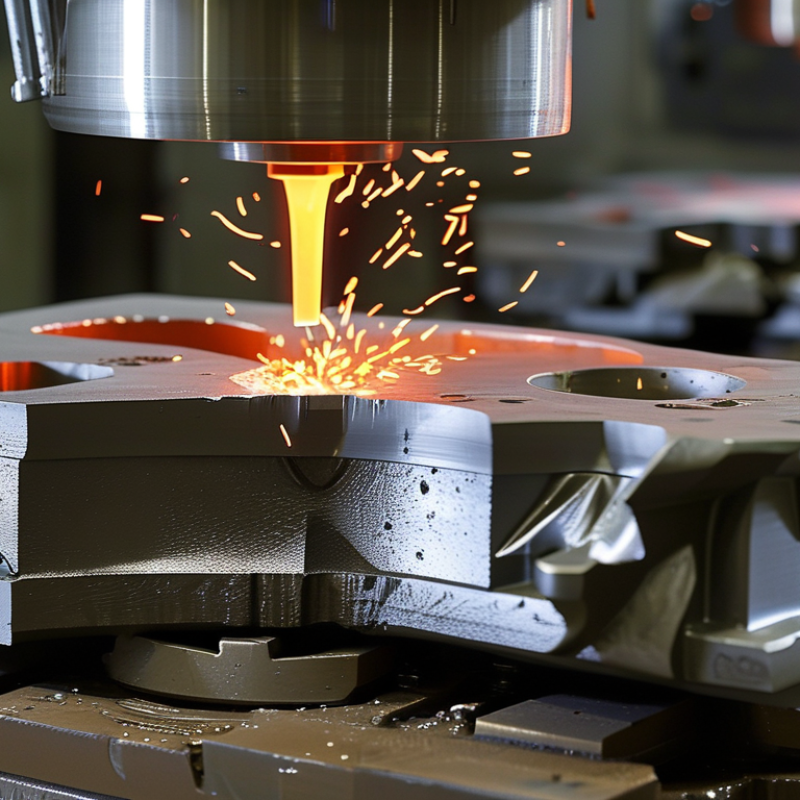
How to Choose the Right Die Casting Mold for Your Business?

Understanding the Basics of Die Casting Molds

When selecting a die casting mold, understanding its components is crucial. A well-designed mold directly impacts the final product's quality. Molds consist of two main parts: the core and the cavity. The core creates the interior shape, while the cavity forms the outer dimensions. A minor flaw in either can lead to defects in the casting. This highlights the importance of precise engineering in mold creation.

Material choice for molds is another key consideration. Steel and aluminum are popular for their durability and thermal conductivity. However, using lower-cost materials can seem tempting. This may lead to quicker wear and reduced longevity. Reflecting on past projects can provide insights into material choices. It’s essential to weigh short-term savings against long-term performance and reliability.

Furthermore, the complexity of the part influences mold design. More intricate shapes require advanced techniques. This can increase production time and costs, though it might yield better results. Each project demands careful evaluation of trade-offs. Finding the right balance between complexity and practicality is often challenging. It requires experience and a deep understanding of the die casting process.


Identifying Your Business Needs for Die Casting Applications

Choosing the right die casting mold begins with clearly identifying your business needs. Each application requires specific characteristics, such as shape, size, and material. Think about the products you create. Consider how the mold will influence the final product's quality. For example, a complex design may necessitate a more intricate mold, while simpler shapes can often use standard options.

Understanding the production volume is also crucial. High-volume production might justify a significant investment in a custom mold. However, if your needs are less frequent, a standard mold could suffice. Assess your budget and timelines too. Delays in mold production can affect your overall project schedule. Finally, don’t overlook maintenance requirements. Some molds demand more upkeep than others, impacting long-term costs and efficiency. Reflecting on these considerations can lead to a more strategic decision.

Evaluating Material Options for Die Casting Molds

Choosing the right material for die casting molds is critical for production efficiency and product quality. Metal options like aluminum, zinc, and magnesium are among the most popular. Each material has unique properties that suit different applications. For instance, aluminum molds can withstand high temperatures and offer excellent thermal conductivity. According to a study by Smithers, the global demand for aluminum die casting is expected to grow at a CAGR of 5.6% from 2022 to 2027.

Zinc is another frequently chosen material. It has lower melting points, making it easier to work with. Molds made from zinc are highly durable and exhibit excellent corrosion resistance. However, they may not be ideal for heavy-duty applications. The key is to match the mold material to the product requirements, ensuring longevity and performance.

Consider these factors when selecting materials: weight, thermal properties, and cost. Material prices can fluctuate based on supply chain dynamics. Evaluate the long-term return on investment when choosing a mold material.

Think about the specific needs of your operations. Custom molds can provide better outcomes in specific cases but may require more investment upfront. Proper evaluation of materials and their properties can lead to improved production outcomes and reduced costs.

Analyzing Cost Factors in Die Casting Mold Selection

Choosing the right die casting mold involves careful consideration of various cost factors. Understanding these can save your business both time and money. The initial investment often includes material selection, mold complexity, and manufacturing processes. Each aspect impacts the overall price significantly. Working with experienced suppliers can provide valuable insight into the cost implications of specific choices.

Quality materials are crucial for durability and efficiency. Cheaper options may seem appealing, but they can lead to failures and additional costs down the line. This may require a complete redesign or replacement. Focus on long-term value rather than short-term savings to maintain reliability in production.

When evaluating mold designs, consider the volume of parts needed. High production demands might justify a higher upfront cost. However, lower volumes may benefit from simpler, less expensive molds. Keep in mind that complexity in design can greatly increase costs. Always analyze how design intricacies may affect your budget and timeline.

Take the time to seek expert advice. Engaging with mold design specialists can help clarify potential pitfalls and opportunities. Knowing when to invest more or cut back will empower your decision-making process and enhance profitability.

Choosing a Reliable Manufacturer for Die Casting Molds

Choosing a reliable manufacturer for die casting molds is crucial for business success. Experienced manufacturers have a track record of producing high-quality molds that meet industry standards. Look for companies with a strong portfolio and positive customer testimonials. They should demonstrate expertise in various die casting techniques, ensuring that your specific needs are addressed.

Communication is essential when selecting a manufacturer. A good partner listens to your requirements and offers tailored solutions. It's important to discuss design specifications and material options clearly. Engaging in this dialogue can prevent misunderstandings later on. A responsive manufacturer can dramatically affect project timelines and outcomes, making this aspect non-negotiable.

Consider visiting potential manufacturers to review their facilities. This can reveal how they maintain equipment and quality controls. On-site visits also help establish relationships. Reflect on the manufacturer’s ability to adapt to changes. Flexibility is valuable in today’s fast-paced market. A trustworthy partner should respond promptly to your evolving needs, as this reflects their commitment to your success.

Get in touch with us,
We will contact you shortly!

Get in touch with us by filling up the enquiry form. We will contact you shortly!

    What is the difference between Unline(Non-Epoxy Coated) or Lining(Epoxy Coated) Metal Drum?

    What are Unline(Non-Epoxy Coated) and Lining(Epoxy Coated) drums compatible with?

    What is the difference between Grade A and Grade B Metal Drum ?

    What content is suitable to fill in a Recon Grade A or Grade B Drum?

    What is the difference between Open Top and Close Top Drums and their usage?

    What type of content are Metal or Plastic Drums suitable for?

    Will there be any contamination in the reconditioned metal, plastic drums or IBC tanks?

    What is the drum gauge(thickness) and weight for reconditioned metal drums?

    Do you sell New Packaging Products too?

    What additional services do you provide apart from selling reconditioned and new containers.?

    Do you offer labelling and silkscreen on the containers ?

    Are you able to ship overseas ?

    Leading the Way
    to Carbon Neutrality

    Drumming sustainability into every aspect of our operations, we strive to create a greener and more conscious future for generations to come.
    Contact Us
    WhatsApp
    Email
    Join Our Newsletter

    Sign up for our newsletter for exclusive discounts and latest news of new launches!

      Logo Logo Logo Logo Logo
      Scroll to Top