
How to Choose the Right Cable Lugs for Your Project?

Selecting the right Cable Lugs is crucial for any electrical project. Cable lugs ensure strong and reliable connections for wires and cables. Whether you're a professional electrician or a DIY enthusiast, understanding this component can enhance your work's safety and efficiency.

The variety of cable lugs available on the market can be overwhelming. Different sizes, materials, and designs all influence performance. A common mistake is choosing lugs based solely on price, ignoring quality or specifications. This can lead to failures, increased costs, and safety hazards.

Thoughtful consideration is essential when selecting cable lugs. Ensure they fit the wire gauge properly and consider environmental factors like humidity and temperature. Make informed choices to avoid future issues. Your project deserves the best, and the right cable lugs play a significant role in achieving success.
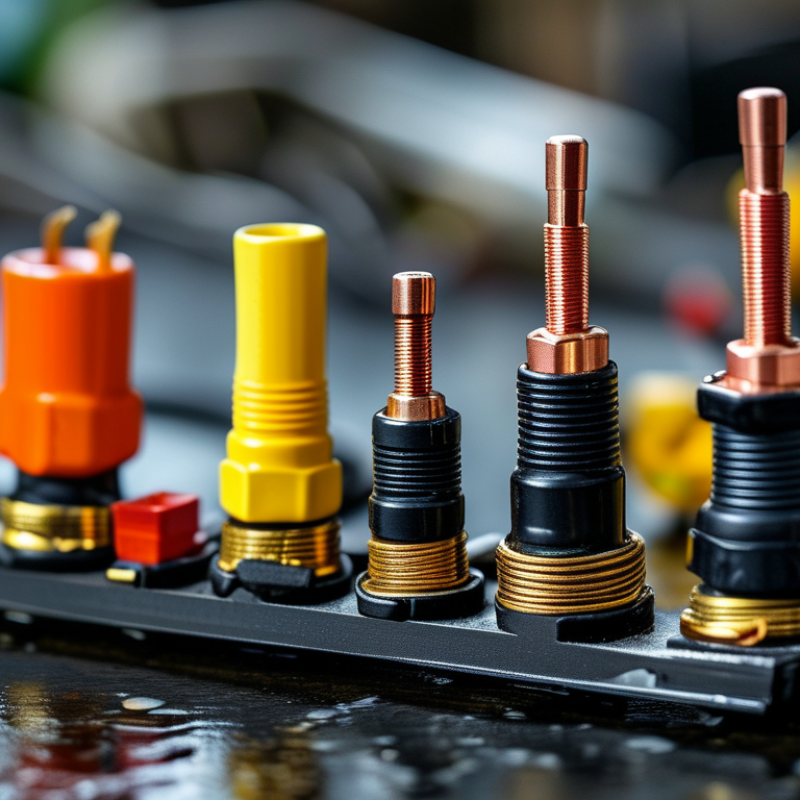
How to Choose the Right Cable Lugs for Your Project?

Understanding Cable Lugs: Types and Applications in Electrical Projects

Cable lugs are essential components in electrical projects. They serve as the connection point between wires and terminals, ensuring secure and efficient electrical connections. Various types of cable lugs exist, each tailored for specific applications. Understanding these variations is crucial for selecting the right one for your project.

Types of cable lugs include ring lugs, fork lugs, and pin lugs. Ring lugs provide a secure connection when bolted to a terminal. They are ideal for high-current applications. Fork lugs allow for easy connection and disconnection. Pin lugs are used in specific circumstances where a secure fit is essential. Choosing the wrong type affects performance.

Material is another important consideration. Copper and aluminum are common choices. Copper lugs offer better conductivity but may require careful handling. Aluminum lugs can be lighter but might not perform as well under high loads. Assessing your project's needs can prevent costly mistakes. Your choice should not only prioritize functionality, but also safety and reliability.


Evaluating Material Choices: Copper vs. Aluminum Cable Lugs

When choosing between copper and aluminum cable lugs, material properties play a crucial role. Copper offers high conductivity but comes at a higher cost. Aluminum, while less conductive, is lightweight and more affordable. A report by the International Copper Association states that copper's conductivity is around 97% of the International Annealed Copper Standard (IACS), whereas aluminum stands at about 61% IACS. This difference can significantly impact project performance.

Tips: Evaluate the project requirements before deciding. For high-efficiency applications, copper lugs are often preferred. In contrast, aluminum lugs are ideal for budget-sensitive projects. However, consider the environment as well; copper is more resistant to corrosion than aluminum, which can change its overall performance over time.

While copper lugs boast durability and longevity, they require careful handling to avoid mechanical issues. Aluminum lugs may deform under stress but are suitable for many general applications. In some cases, hybrid designs combining both materials can provide an optimal balance. Remember to assess the specific demands of your installation and weigh them against the costs and material characteristics carefully.

Sizing Cable Lugs: Importance of Current Rating and Wire Gauge

Choosing the right cable lugs is vital for any electrical project. Sizing cable lugs correctly ensures safety and efficiency. The two main factors affecting this choice are current rating and wire gauge. The current rating determines how much electrical current a lug can handle without overheating. Using a lug with an insufficient current rating can lead to failures or accidents.

Wire gauge, measured in American Wire Gauge (AWG), defines the thickness of the wire. A thicker wire can carry more current. It’s crucial to match the wire gauge with the appropriate lug size. Mismatched sizes can cause poor connections, leading to resistance and heat build-up. Inadequate sizing might seem trivial but can have serious repercussions over time.

When selecting lugs, consider the environmental conditions too. Factors like humidity and temperature may affect performance. Reflecting on these details is essential. Overlooking specifications may lead to costly mistakes. Understanding these principles will enhance your project's reliability and longevity.

How to Choose the Right Cable Lugs for Your Project?

Wire Gauge (AWG) Current Rating (Amperes) Lug Hole Size (mm) Material Insulation Type
10 AWG 30 A 8 mm Copper Non-Insulated
8 AWG 40 A 10 mm Copper Insulated
6 AWG 50 A 12 mm Aluminum Non-Insulated
4 AWG 70 A 14 mm Copper Insulated
2 AWG 95 A 16 mm Copper Non-Insulated

Installation Considerations: Proper Techniques for Reliable Connections

Choosing the right cable lugs is essential for ensuring a secure connection. The installation process requires attention to detail. Proper techniques can significantly enhance the reliability of your electrical systems. When attaching cable lugs, make sure the cables are clean and free from corrosion. A dirty connection can lead to heat and potential failure.

Apply the right torque when tightening the lugs. Over-tightening can damage the cable strands. Ideally, a torque wrench should be used. Check the manufacturer’s specifications for the correct torque values. Always double-check connections to ensure they are secure. Loose connections can lead to arcing, which is dangerous.

Consider environmental factors as well. Outdoor installations may require more durable lugs to withstand weather conditions. Using heat-shrink tubing can also provide extra insulation. Yet, be cautious of overusing materials as this can lead to hidden problems down the line. A balanced approach to installation not only ensures safety but also longevity in performance.

How to Choose the Right Cable Lugs for Your Project

Safety Standards and Compliance: Ensuring Quality in Cable Lug Selection

When selecting cable lugs for a project, it is crucial to adhere to safety standards. Compliance with regulations ensures reliability and minimizes hazards. Inspect certifications closely. Look for lugs that meet industry standards such as UL, IEC, or similar. These markings indicate a thorough testing process, which enhances trust in the product.


Tips: Always check the material composition. Copper and aluminum lugs are common choices. Each has unique properties affecting conductivity and corrosion resistance. Understand the specifics of your project needs. Consider environmental factors that may influence the effectiveness of the lugs over time.


One common issue is overlooked compatibility with wire sizes. Ensure that the lugs fit the corresponding wire gauge. Incorrect sizing can lead to overheating or electrical failures. Compatibility is often ignored, leading to safety risks. Double-check your choices to avoid regrettable mistakes down the line. Prioritize quality over cost. Cheaper options may lack durability.

Article Source:

Get in touch with us,
We will contact you shortly!

Get in touch with us by filling up the enquiry form. We will contact you shortly!

    What is the difference between Unline(Non-Epoxy Coated) or Lining(Epoxy Coated) Metal Drum?

    What are Unline(Non-Epoxy Coated) and Lining(Epoxy Coated) drums compatible with?

    What is the difference between Grade A and Grade B Metal Drum ?

    What content is suitable to fill in a Recon Grade A or Grade B Drum?

    What is the difference between Open Top and Close Top Drums and their usage?

    What type of content are Metal or Plastic Drums suitable for?

    Will there be any contamination in the reconditioned metal, plastic drums or IBC tanks?

    What is the drum gauge(thickness) and weight for reconditioned metal drums?

    Do you sell New Packaging Products too?

    What additional services do you provide apart from selling reconditioned and new containers.?

    Do you offer labelling and silkscreen on the containers ?

    Are you able to ship overseas ?

    Leading the Way
    to Carbon Neutrality

    Drumming sustainability into every aspect of our operations, we strive to create a greener and more conscious future for generations to come.
    Contact Us
    WhatsApp
    Email
    Join Our Newsletter

    Sign up for our newsletter for exclusive discounts and latest news of new launches!

      Logo Logo Logo Logo Logo
      Scroll to Top