
How to Choose Nano Double Sided Tape in 2026?

Choosing Nano Double Sided Tape in 2026 requires more than comparing thickness, price, or online ratings. The right product must match the surface, load, temperature, and expected service life. A clear acrylic wall may need a different adhesive than painted wood, glass, metal, or textured plastic. Small differences matter.

In practical selection work, I examine the tape’s adhesive type, carrier structure, thickness, width, and release liner. I also check technical datasheets instead of trusting impressive product claims. A reliable supplier should explain holding strength, temperature resistance, aging behavior, and recommended surfaces. Test samples are essential. Apply a short strip to a clean area, press it firmly, and observe the bond after several hours. Then test removal carefully.

Do not overlook moisture, dust, paint quality, or surface movement. These factors can weaken even a strong Nano Double Sided Tape. Very smooth surfaces often perform well, but rough surfaces may require a thicker foam layer. That is not always better. Thick tape can improve contact, yet it may look uneven or collect more dirt along the edges.

There is no universal choice. Even careful recommendations can fail under real conditions. A tape that works on a lightweight sign may not support a vibrating device. For this reason, this guide compares practical criteria, application risks, and verification methods. It aims to help buyers make a defensible choice, not simply select the highest advertised strength. Check the details. Test before committing.
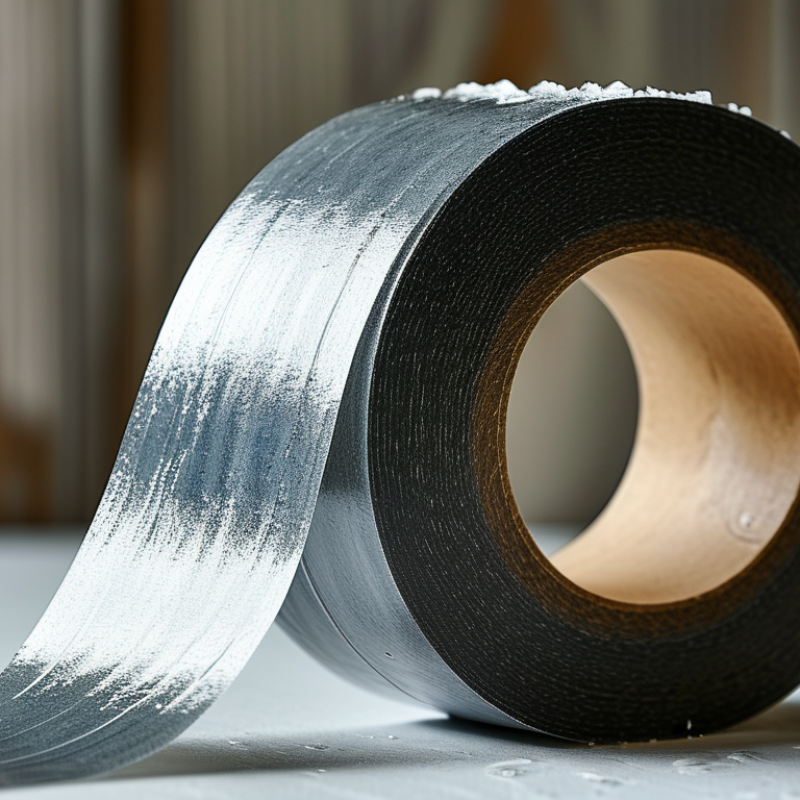
How to Choose Nano Double Sided Tape in 2026?

Define Load, Substrate, and Environment Requirements for Nano Tape

How to Choose Nano Double Sided Tape in 2026?

Define Load, Substrate, and Environment Requirements for Nano Tape

Start with the load, not the tape’s appearance. Measure the object’s weight, contact area, and direction of force. A wall-mounted sensor creates different stress from a lightweight sign. Peel forces usually matter more than simple downward pressure. Add a safety factor for vibration, handling, and accidental knocks. Keep the calculation realistic.

Substrate condition is equally important. Smooth glass, sealed metal, and clean acrylic usually provide better contact. Dusty paint, porous wood, silicone, and textured walls can reduce adhesion sharply. Clean the surface with a compatible method, then let it dry fully. Press the tape firmly across the entire area. Small gaps can become failure points. I once trusted a clean-looking painted wall and skipped a test panel. The tape held overnight, then released after a warm afternoon.

Environment can change the result. Check temperature, humidity, sunlight, water exposure, and repeated movement. Cold conditions may slow initial bonding, while heat can soften adhesive layers. Outdoor use needs testing under actual weather cycles, not only room conditions. Apply the tape at a suitable installation temperature and allow the recommended dwell time. Test a small section for at least 24 to 72 hours when possible. Check both holding strength and surface damage. Some failures come from the wall, not the tape. That detail is easy to miss.


Compare Adhesion Using 180° Peel Tests Under ASTM D3330

How to Choose Nano Double Sided Tape in 2026?

Compare Adhesion Using 180° Peel Tests Under ASTM D3330

Nano double sided tape can look identical on the roll, yet perform differently on glass, painted metal, and plastic. A 180° peel test under ASTM D3330 offers a clearer comparison. The tape is applied to a clean panel, pressed with controlled force, and peeled back at a specified angle and speed. Record the peel force across the full strip, not only the highest reading. That detail matters.

Surface preparation strongly affects results. Dust, fingerprints, moisture, and surface texture can change adhesion. Keep the temperature stable and document the dwell time before testing. A longer dwell period may improve contact, especially when the adhesive slowly flows into small surface irregularities. Compare samples with the same width and backing thickness. Otherwise, the numbers may mislead you. The test is useful, but it is not a perfect prediction of daily use.

Tips: Test at least three samples per surface. Note residue, edge lifting, and adhesive transfer after peeling. Watch the failure mode. Clean removal may matter more than maximum force. I would also repeat the test after heat and humidity exposure, because fresh laboratory results can seem reassuringly strong. They may not last. Use the data with real application conditions, not alone.

Check Holding Power with ASTM D3654 Static Shear Testing

How to Choose Nano Double Sided Tape in 2026?

Holding power deserves more attention than impressive peel strength. ASTM D3654 static shear testing measures how long a tape supports a constant load without slipping from a vertical surface. This matters for mounted signs, cable channels, lightweight fixtures, and household organizers. A tape may feel strong during installation, yet slowly creep overnight. That difference can cause failure.

Ask the supplier for the test conditions, not only the result. A reliable report should identify the tape thickness, backing, test panel, applied load, temperature, humidity, and failure time. The panel should be cleaned consistently, and the tape should receive controlled pressure during application. For example, testing at 23°C and 50% relative humidity gives a useful reference, but real rooms may be hotter or damper. Small details matter.

Watch the failure mode.

The tape may separate from the surface, split internally, or allow the weight to slide. Each result suggests a different problem. A rough wall may need better wetting, while a smooth panel may expose adhesive creep. I have seen users choose a thicker tape simply because it feels softer. That is not always better. Thickness can improve gap filling, but it may also increase movement under load. Compare several samples using the same surface and load. Then add a safety margin, especially for warm areas or overhead mounting. ASTM D3654 is valuable evidence, not a promise for every application.

How to Choose Nano Double-Sided Tape in 2026?

Check holding power with ASTM D3654 static shear testing

How to read this chart: The comparison uses non-brand tape constructions under a consistent ASTM D3654-style screening setup: 1 kg static load, 1 in² bonded area, and controlled room conditions of approximately 23°C and 50% relative humidity. Holding time is recorded until slip or failure. ASTM D3654 does not define one universal pass/fail value, so tapes should be compared using the same surface preparation, dwell time, temperature, load, and test duration.

Evaluate Temperature, Humidity, and Aging Resistance Before Selection

How to Choose Nano Double Sided Tape in 2026?

Temperature, humidity, and aging resistance deserve testing before appearance or initial tack. ISO 291 recommends conditioning materials at 23°C and 50% relative humidity. This creates a fair comparison. However, real installations may face hot dashboards, cold warehouses, or damp bathrooms. IEC 60068-2-14 provides temperature-change testing methods. Use cycling tests, not one temperature reading. A tape that holds at 23°C may soften at 60°C and become brittle below 0°C.

Humidity is often the quiet failure point. IEC 60068-2-78 evaluates steady damp heat at 40°C and 93% relative humidity. Test samples with the actual substrate, pressure, and curing time. ASTM D3330 measures peel adhesion, while ASTM D3654 evaluates static shear holding power. These methods reveal different weaknesses. Peel strength may look acceptable while vertical shear fails overnight. Watch the edges for whitening, lifting, or trapped moisture. Small gaps matter.

Aging tests should include heat, humidity, and repeated temperature changes. Compare initial strength with results after exposure, rather than trusting one impressive number. In practice, surface preparation is easy to underestimate. Dust, skin oil, and low surface energy can distort results. I would also question short laboratory aging claims. Accelerated exposure does not perfectly reproduce sunlight, vibration, or seasonal condensation. That limitation should remain visible in the selection record.

How to Choose Nano Double Sided Tape in 2026? - Evaluate Temperature, Humidity, and Aging Resistance Before Selection

Evaluation Dimension Recommended Screening Target Acceptable Performance Range Suggested Test Condition Selection Guidance
Short-Term Temperature Resistance At least 80°C for 1 hour 60–100°C Apply to a clean substrate, condition for 24 hours, then expose to elevated temperature for 1 hour. Suitable for indoor fixtures and temporary exposure to warm surfaces. Confirm shear strength at the actual load and temperature.
Continuous Service Temperature −20°C to 60°C Approximately −30°C to 80°C Maintain a loaded assembly at the intended temperature for 7–14 days. Choose a wider range for vehicles, unconditioned spaces, or products exposed to daily temperature cycling.
Low-Temperature Application Application temperature of at least 10°C Approximately 5–15°C minimum Apply under controlled temperature, then measure peel or shear adhesion after 24 hours. Most acrylic pressure-sensitive adhesives require adequate wet-out; cold application can reduce initial adhesion.
High-Humidity Resistance No visible lifting after 168 hours at 40°C and 90–95% RH 72–500 hours, depending on construction Condition bonded samples at 40°C and 90–95% relative humidity. For bathrooms, kitchens, and humid storage areas, prioritize sealed edges and moisture-resistant adhesive chemistry.
Water Exposure No edge lifting after 24 hours of intermittent water exposure 12–72 hours for splash or intermittent exposure Expose the bonded assembly to water or condensation, then inspect adhesion and edge seal. Nano double-sided tape is generally not a substitute for a waterproof sealant in permanent immersion.
Humidity Cycling At least 10 cycles without blistering or delamination 5–20 cycles Cycle between approximately 23°C/50% RH and 40°C/90–95% RH. Useful for products that move between air-conditioned rooms, outdoor storage, and humid environments.
Accelerated Aging At least 90% of initial adhesion after 500 hours at 70°C 80–95% retention after 250–1,000 hours Age bonded samples at 70°C, then compare peel and shear results with unaged samples. Use aging retention rather than initial tack alone to assess long-term reliability.
UV and Weathering Resistance At least 500 hours with no major cracking or adhesive flow 250–1,000 hours, depending on exposure Use UV and condensation cycling, followed by visual inspection and adhesion testing. For outdoor use, select a tape with documented UV stability and protect exposed edges whenever possible.
Shear Holding Power At least 1,000 minutes under a standardized load 100–10,000+ minutes Apply a specified load to a standard bonded area at 23°C and record time to failure. Important for vertical mounting. Higher temperature usually increases creep risk, so test at the operating temperature.
Substrate Compatibility Consistent adhesion on glass, metal, painted surfaces, and selected plastics Performance varies widely by surface energy and texture Test each actual substrate after cleaning and surface preparation. Low-surface-energy plastics, dusty surfaces, silicone coatings, and textured materials may require primer or mechanical fastening.
Surface Preparation Clean, dry, smooth, and residue-free surface Isopropyl alcohol cleaning is commonly suitable for many hard surfaces Remove dust, oil, and release agents; allow the surface to dry before application. Poor cleaning and insufficient pressure are common causes of premature failure.
Bond Development Time Allow at least 24 hours before full loading Initial tack in minutes; near-final adhesion commonly develops over 24–72 hours Apply firm, even pressure and measure adhesion at multiple dwell times. Avoid evaluating long-term performance immediately after installation.
Thickness and Conformability Approximately 0.5–2.0 mm for general mounting 0.3–3.0 mm Measure gap filling, contact area, and edge lifting on the actual assembly. Thicker tape can conform better to minor irregularities but may increase creep under load.

Note: The values shown are practical screening targets and typical ranges for acrylic pressure-sensitive nano double-sided tapes. Actual performance depends on adhesive formulation, backing structure, tape thickness, substrate, surface preparation, load, and exposure time. Always validate the selected tape under the real application conditions.

Verify Thickness, Reusability, Safety, and 2026 Compliance Needs

How to Choose Nano Double Sided Tape in 2026?

Thickness should match the load and surface texture. Thin tape suits smooth glass, sealed metal, and lightweight signs. Thicker tape can bridge small gaps, but it may look uneven on narrow edges. Check whether the stated thickness includes the liner. That detail can change installation results. In practical testing, measure the tape after removing the liner, then test a small piece for 24 hours. A thicker strip is not automatically stronger.

Reusability needs clear evidence. Look for cycle testing, washing instructions, drying time, and expected holding performance after removal. Clean the surface with a compatible method, press firmly, and avoid dusty walls or peeling paint.

Safety also matters. Review the adhesive ingredients, odor, temperature range, and surface warnings. For 2026 projects, request current technical sheets and compliance documents for the destination market. Check applicable chemical, labeling, and material requirements, such as restricted-substance rules where relevant. Documents should be dated and traceable. Marketing claims alone are weak evidence. This part can be imperfect.

Tips: Cut a short test strip first. Mark its position. Record the surface, temperature, load, and removal result. Do not reuse tape that has collected dust, stretched badly, or left residue. Recheck the supplier’s documents before large installations.

Get in touch with us,
We will contact you shortly!

Get in touch with us by filling up the enquiry form. We will contact you shortly!

    What is the difference between Unline(Non-Epoxy Coated) or Lining(Epoxy Coated) Metal Drum?

    What are Unline(Non-Epoxy Coated) and Lining(Epoxy Coated) drums compatible with?

    What is the difference between Grade A and Grade B Metal Drum ?

    What content is suitable to fill in a Recon Grade A or Grade B Drum?

    What is the difference between Open Top and Close Top Drums and their usage?

    What type of content are Metal or Plastic Drums suitable for?

    Will there be any contamination in the reconditioned metal, plastic drums or IBC tanks?

    What is the drum gauge(thickness) and weight for reconditioned metal drums?

    Do you sell New Packaging Products too?

    What additional services do you provide apart from selling reconditioned and new containers.?

    Do you offer labelling and silkscreen on the containers ?

    Are you able to ship overseas ?

    Leading the Way
    to Carbon Neutrality

    Drumming sustainability into every aspect of our operations, we strive to create a greener and more conscious future for generations to come.
    Contact Us
    WhatsApp
    Email
    Join Our Newsletter

    Sign up for our newsletter for exclusive discounts and latest news of new launches!

      Logo Logo Logo Logo Logo
      Scroll to Top