How to Choose the Best Waste Drums for Your Disposal Needs?

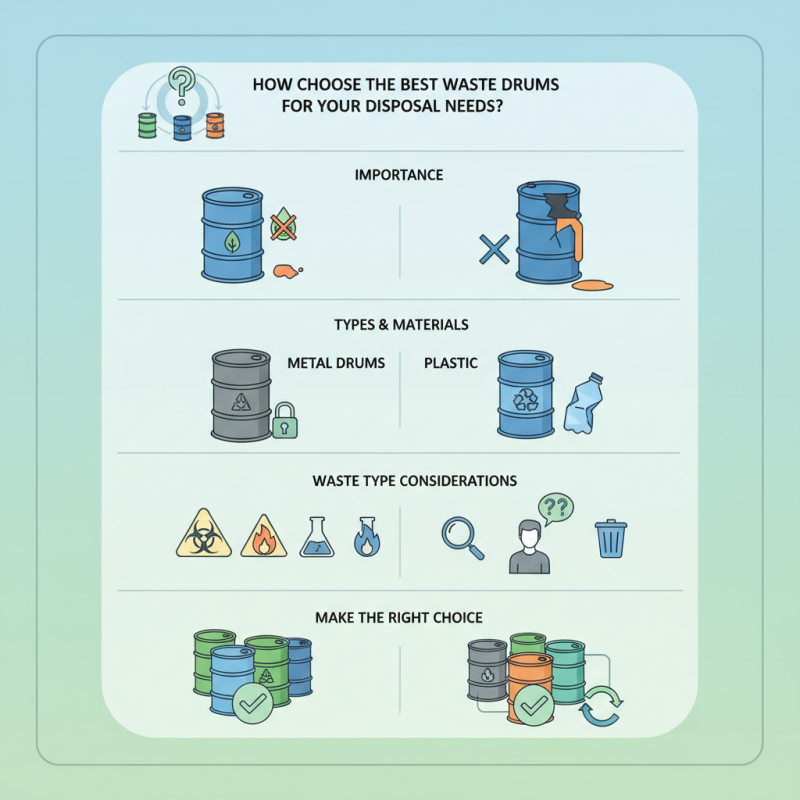
When managing waste, selecting the right waste drums is crucial. Proper disposal methods can prevent environmental hazards. The wrong choice may lead to leaks or contamination. This can affect health and safety.

Waste drums come in various types and sizes. Each serves a specific purpose. Understanding the material and design is essential. For example, metal drums are durable but may rust. Plastic ones are lightweight but less resilient.

Consider the waste type you generate. Some materials require special handling. If unsure, consult a professional. It’s vital to reflect on your disposal needs. Choosing the correct waste drums can make a significant difference.
How to Choose the Best Waste Drums for Your Disposal Needs?

Understanding Waste Disposal Needs for Different Materials

When considering waste disposal needs, it’s essential to identify the materials you handle. Different materials require specific waste drums. For instance, hazardous waste demands containment that prevents leaks. Ensure you choose drums that comply with safety standards.

Tips: Always read specifications carefully. Understand whether the drum is compatible with your materials. This will help prevent issues later.

Organic waste may require biodegradable options. Sensitive materials may need sealed containers to avoid contamination. It’s vital to assess your waste types regularly to avoid mistakes.

Tips: Label your waste drums clearly. This practice helps prevent confusion and ensures proper disposal. Neglecting this step often leads to costly mishaps in waste management.

Your disposal choices should evolve with your material needs. Regular reevaluation can reveal better options. Remember, the drum you choose can directly impact safety and environmental responsibility.
Key Factors to Consider When Choosing Waste Drums

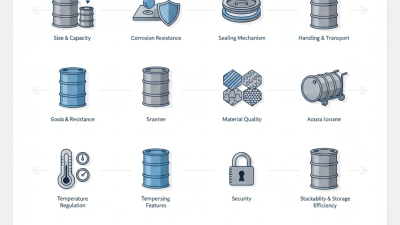
Choosing the right waste drums can significantly impact your disposal strategy. Various factors should guide your selection process. Size is crucial; different waste types require different capacities. A small drum may not suffice for bulkier materials, while oversized drums can take up space unnecessarily. Assess your waste generation patterns to make an informed choice.

Material is another key aspect. Some wastes are corrosive, needing drums made from specific materials. Understanding the chemical compatibility of your waste with drum material is vital. Sometimes, users overlook this detail, leading to leaks or contamination. Regularly reviewing your waste type may help identify the best materials suitable for your needs.

Additionally, consider features like lids and seals. These can prevent spills and odors, which can be problematic. A drum with an inadequate seal may compromise safety. You're not just handling waste; you're managing risks. Reflect on your specific needs to make the best choice.

How to Choose the Best Waste Drums for Your Disposal Needs? - Key Factors to Consider When Choosing Waste Drums

Factor Description Material Capacity (Gallons) Weight (lbs)
Durability Ability to withstand physical stress and environmental conditions. Steel 55 40
Chemical Resistance Ability to safely store and handle hazardous materials. Polyethylene 30 25
Size and Shape Consideration of available space for storage and handling. Fiber 20 15
Regulatory Compliance Adherence to local and federal waste management regulations. Metal 55 50
Ease of Handling Features such as handles or spouts for easy pouring and transportation. Plastic 15 10

Types of Waste Drums: Selecting the Right Type for Your Waste

How to Choose the Best Waste Drums for Your Disposal Needs?

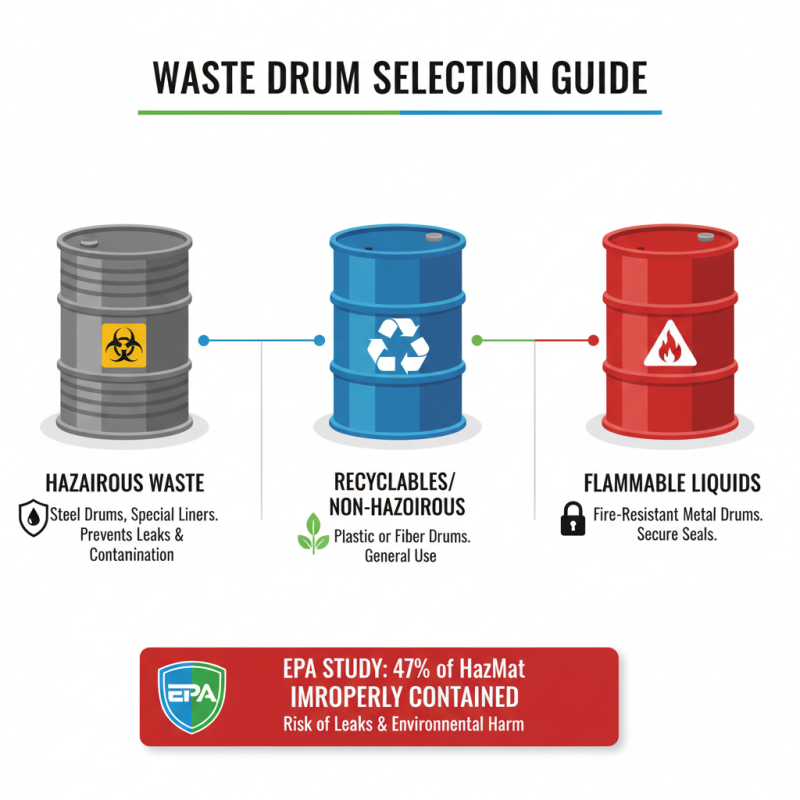
When selecting waste drums, understanding the different types available is crucial. Various waste categories require specific drums. For example, hazardous waste often needs steel drums with specific liners. Research indicates that improper selection can lead to leaks and contaminations. A study from the Environmental Protection Agency (EPA) found that 47% of hazardous materials are improperly contained, leading to environmental risks.

Plastic drums are another common option. They are lightweight and resistant to corrosion. Many industries find them suitable for non-hazardous waste, such as food or recyclable materials. However, they are not suitable for all types of waste. Relying solely on plastic for hazardous materials can lead to inadequate protection. A paper by the American Chemical Society highlights that improper usage of unsuitable containers accounts for significant disposal costs.

Some organizations mistakenly opt for the cheapest drum options. This often results in unexpected expenses. Poor quality drums can rupture, causing spills and fines. The National Solid Waste Management Association emphasizes the importance of investing in quality drums. Selecting the right waste drum requires careful consideration of material compatibility and waste type. Think critically about the choices and their long-term consequences.

Safety Features and Compliance Standards for Waste Drums

How to Choose the Best Waste Drums for Your Disposal Needs?

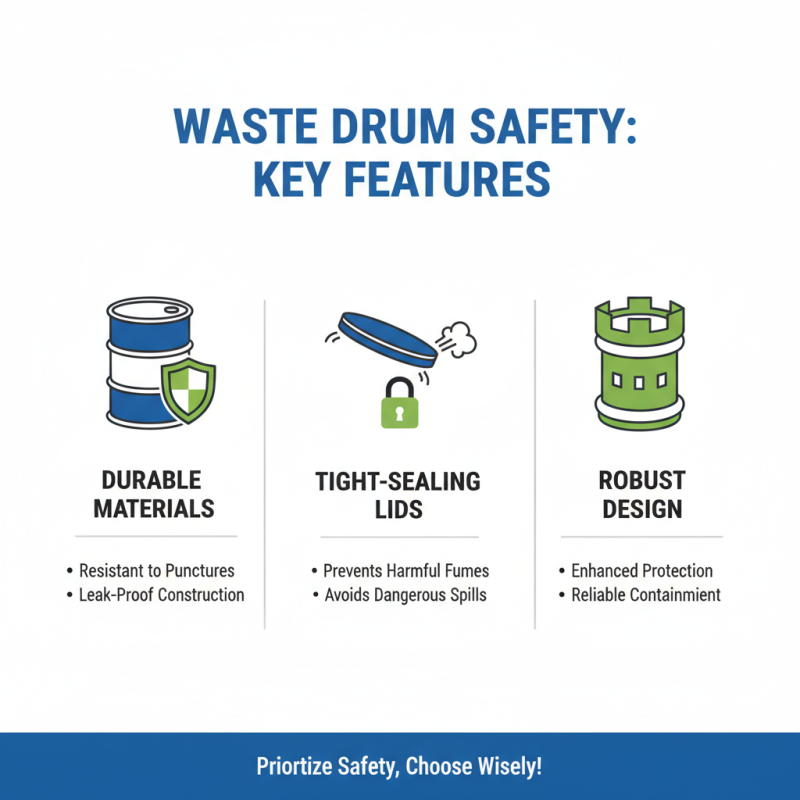
When selecting waste drums, safety features are critical. Look for drums made of durable materials. They should resist punctures and leaks. Drum lids must seal tightly. This prevents harmful fumes from escaping. Inadequate sealing can lead to dangerous spills. Evaluate the design. A well-constructed drum provides better safety.

Compliance standards matter too. Drums should meet local and national regulations. This ensures safe disposal of hazardous materials. Check for certifications. They show the drum has passed safety tests. Sometimes, regulations change. Staying updated can be a challenge. Not all users keep track of these updates.

Reflect on your specific needs. The right drum can save time and effort. Choose a size that accommodates your waste volume. However, avoid selecting a drum that’s too large. It may create unnecessary space and confusion. Sometimes, less is more. Understanding your disposal needs ensures better safety and compliance.

Cost Considerations and Budgeting for Waste Disposal Solutions

When deciding on waste disposal solutions, cost is often a primary concern. Different types of waste drums come with varying price tags. It’s important to calculate potential costs and consider your specific needs. Look closely at the size, material, and capacity of the drums. This can impact overall expenses. You might think a larger drum is always better, but it may lead to higher upfront costs and disposal fees.

Budgeting for waste disposal involves more than just the initial purchase. Consider ongoing expenses like maintenance and transportation. Sometimes, cheaper options require more upkeep, creating hidden costs over time. Think critically about the long-term investment. It’s also wise to check if your disposal company has volume discounts. You might end up saving more than expected if you plan for bulk disposal.

Reflect on the importance of proper waste management. Poor choices can lead to costly fines or environmental damage. You must weigh your options carefully rather than making hasty decisions. When you choose waste drums, analyze every aspect to ensure you’re making a responsible, cost-effective choice.

Get in touch with us,
We will contact you shortly!

Get in touch with us by filling up the enquiry form. We will contact you shortly!

    What is the difference between Unline(Non-Epoxy Coated) or Lining(Epoxy Coated) Metal Drum?

    What are Unline(Non-Epoxy Coated) and Lining(Epoxy Coated) drums compatible with?

    What is the difference between Grade A and Grade B Metal Drum ?

    What content is suitable to fill in a Recon Grade A or Grade B Drum?

    What is the difference between Open Top and Close Top Drums and their usage?

    What type of content are Metal or Plastic Drums suitable for?

    Will there be any contamination in the reconditioned metal, plastic drums or IBC tanks?

    What is the drum gauge(thickness) and weight for reconditioned metal drums?

    Do you sell New Packaging Products too?

    What additional services do you provide apart from selling reconditioned and new containers.?

    Do you offer labelling and silkscreen on the containers ?

    Are you able to ship overseas ?

    Leading the Way
    to Carbon Neutrality

    Drumming sustainability into every aspect of our operations, we strive to create a greener and more conscious future for generations to come.
    Contact Us
    WhatsApp
    Email
    Join Our Newsletter

    Sign up for our newsletter for exclusive discounts and latest news of new launches!

      Logo Logo Logo Logo Logo
      Scroll to Top