How to Choose the Best Plastic Drum Container for Your Needs?
Choosing the right plastic drum container can significantly impact your operations. These containers are essential for storage and transport. However, not all plastic drum containers are created equal. Factors like size, material, and design make a difference.
Understanding your specific needs is crucial. For example, consider what you will store. Are you dealing with liquids or solids? The material's compatibility with the contents is vital. High-density polyethylene (HDPE) is popular for its durability. Reflect on how often you will use the container. Frequent handling may require reinforced designs.
Evaluate different options available in the market. Not every supplier is reliable. Research their reputation and product quality. Look for customer reviews or case studies. This research helps ensure you make a well-informed decision. Ultimately, selecting the right plastic drum container enhances efficiency and safety in your processes.

Understanding Different Types of Plastic Drum Containers
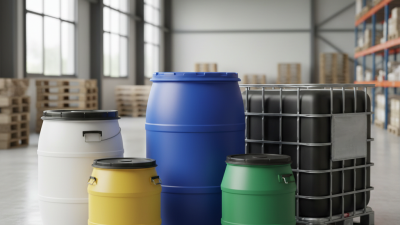
When choosing the right plastic drum container, it's essential to understand the various types available. There are cylindrical and rectangular options. Cylindrical drums typically hold liquid, while rectangular containers are often used for solid materials. Each design has its advantages and disadvantages. For example, cylindrical drums can roll easily, but they might take up more space.
Types also vary based on the material. High-density polyethylene (HDPE) is commonly used due to its durability and resistance to chemicals. However, not all HDPE containers are created equal. Some may have thinner walls, compromising their strength. Polypropylene drums are another option. They are usually lighter but might not handle heavy loads as effectively.
Choosing the right type involves evaluating your specific needs. Consider weight, contents, and storage conditions. Will you need a lid? How long will contents be stored? These questions can help narrow your options. Seeing the container in person might reveal flaws, such as uneven seals or cracks. It's crucial to consider these details carefully before making a decision.
Identifying Your Storage and Transportation Needs
When selecting a plastic drum container, understanding your storage and transportation needs is crucial. The versatility of plastic drums allows them to hold various materials, from chemicals to food products. According to a recent industry report, over 60% of businesses choose plastic drums for their lightweight and durable properties. This makes them ideal for both storage and transportation, significantly reducing shipping costs.
Assessing the contents you need to store is essential. Consider the volume and type of material—liquid or solid. For example, a plastic drum with a capacity of 55 gallons can hold many types of liquids, but certain chemicals may require specialized containers. While some plastics can resist corrosion, not all are suitable for every substance. Many industries face challenges in selecting the wrong type of plastic. This can lead to waste or even contamination of products.
Transportation efficiency also depends on the design of the drum. Stackable options maximize storage space during shipping. However, poorly stacked containers can lead to spills and damages. An estimated 30% of transportation accidents involve improperly stored materials. Always evaluate how the drums fit your logistics framework. Choices made in the initial stages can impact the entire supply chain.
Evaluating Material Compatibility and Durability
When selecting a plastic drum container, the material compatibility is crucial. Different chemicals require specific types of plastic to avoid reactions. For instance, polyethylene is favored for aqueous substances, while polypropylene handles higher temperatures better. Knowing the contents protects against leaks and degradation. It's essential to match your material to your intended usage accurately.
Durability is another significant factor. Look for containers that can withstand physical stress and environmental conditions. Impact resistance is key, especially if the drum will be transported frequently. Consider the effects of UV exposure if the container is stored outdoors. Over time, some plastics can become brittle. Reflecting on these points ensures long-term usability.
Selecting the right plastic drum is not as straightforward as it seems. There are many variables to weigh, such as specific chemical properties and storage conditions. Think about future needs too. What if your requirements change? Will your chosen drum still serve your purpose? Addressing these details can lead to better decisions in the long run.
How to Choose the Best Plastic Drum Container for Your Needs? - Evaluating Material Compatibility and Durability
| Container Type |
Material Compatibility |
Durability (years) |
Typical Use |
| Polyethylene Drum |
Acids, Bases, Water-based Chemicals |
10-20 |
Food Storage, Chemicals |
| Polypropylene Drum |
Solvents, Oils, Non-polar Chemicals |
15-25 |
Industrial Applications, Hazardous Materials |
| HDPE Drum |
Chemicals, Liquids, Solid Waste |
20-30 |
Waste Management, Agriculture |
| Composite Drum |
Various Chemicals, Coatings |
10-15 |
Transport, Storage of Hazardous Goods |
| Metal Drum |
Acids, Oils, Heavy Solvents |
30+ |
Industrial Use, Waste Collection |
Assessing Size and Volume Requirements
Choosing the right size and volume for a plastic drum container is crucial. Different applications require different capacities. For instance, a small business may need drums that hold 30 gallons for material storage, while larger companies often require drums with a capacity of up to 55 gallons. According to a market research report by Transparency Market Research, the demand for drums sized between 30 to 55 gallons has grown by 15% in the last five years.
When assessing size, consider the specific needs of your operation. Smaller drums are suitable for limited storage space but may not offer the best value for bulk materials. Conversely, larger drums can be harder to maneuver, especially in confined areas. The ideal volume also depends on the material type being stored. Liquids may need a tighter seal, while solids may require a breathable drum design. Research from the Industrial Packaging Association suggests that improper sizing can lead to product waste and safety hazards, emphasizing the importance of making an informed choice.
Ultimately, reflection on your unique requirements is vital. Businesses often overlook future growth when selecting drum sizes. Having a large inventory could lead to increased operational costs. Conversely, too much reliance on smaller containers might restrict growth opportunities. Balancing immediate needs with future scalability is key to making a sustainable choice.
Considering Safety Features and Regulations
When selecting a plastic drum container, safety features and regulatory compliance are paramount. Reports indicate that approximately 40% of industrial accidents are related to improper storage materials. Ensuring that your chosen container meets safety standards can mitigate these risks. Look for containers that adhere to regulations set forth by organizations such as OSHA and EPA. These guidelines help in assessing the chemical compatibility and structural integrity required for safe storage.
Moreover, it is crucial to consider the material specifications of your drum. High-density polyethylene (HDPE) is often recommended due to its resistance to many chemicals. However, not all HDPE drums are created equal. Some may not withstand extreme temperatures or pressure. Thus, testing and certification of these containers can be vital. An estimated 30% of improper usage stems from a lack of understanding regarding these features.
Evaluate the safety ratings provided with the drum. Many manufacturers perform rigorous testing, but the variability in products can leave room for error. Be aware that a highly rated drum may still falter in specific environments. Conduct regular assessments of your containers and keep informed about changing regulations to ensure ongoing safety and compliance.