
Why Choose Standard FIBC Bags for Your Bulk Packaging Needs?

In the world of bulk packaging, choosing the right materials is crucial. Standard FIBC Bags are increasingly popular due to their versatility and durability. These bags can safely contain various products, from grains to chemicals. Their strength and size options make them suitable for different industries.

Standard FIBC Bags provide a reliable solution for efficient storage and transportation. They reduce the risk of spillage and contamination, which is essential for maintaining product integrity. However, it's vital to consider the specific needs of your operation. These bags come in various styles, so selecting the right one can be overwhelming.

While Standard FIBC Bags are dependable, users must remain vigilant about proper usage. Misuse can lead to failures, impacting operational efficiency. Understanding the limitations and capabilities of these bags is key. As industries grow, the quest for reliable bulk packaging continues.
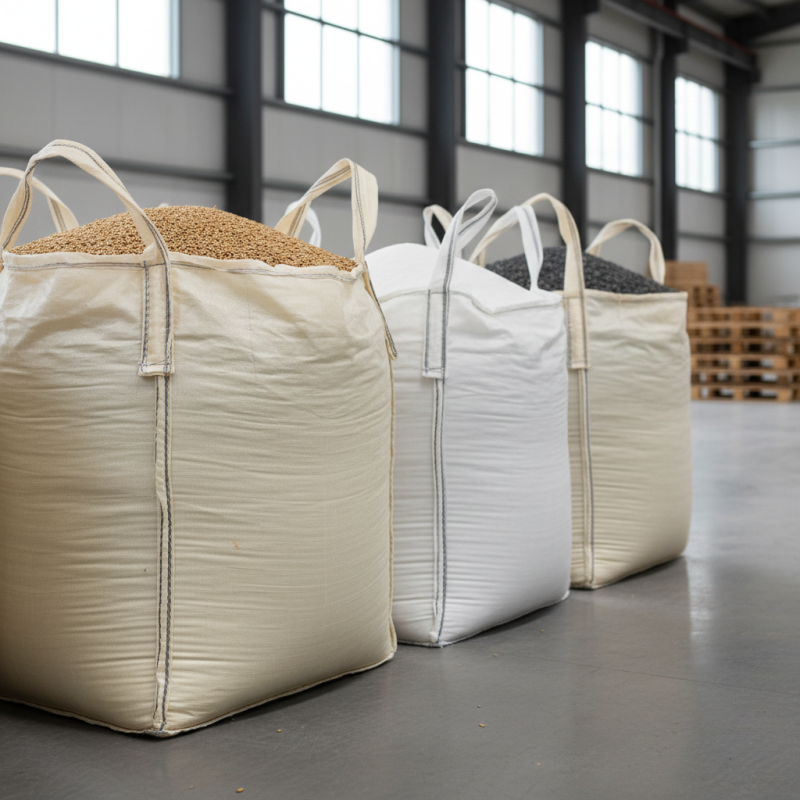
Why Choose Standard FIBC Bags for Your Bulk Packaging Needs?

Understanding the Basics of Standard FIBC Bags in Bulk Packaging

Standard FIBC bags are essential in bulk packaging. They offer versatility and convenience for various industries. These bags are made from durable woven fabric. This ensures strength and longevity. They can hold a significant amount of weight, making them suitable for many products. Their design allows for easy filling and unloading.

Understanding FIBC bags requires recognizing their structure. These bags often have a capacity ranging from 500 kg to 2,000 kg. Their design features include top openings and bottom discharge options. This flexibility is crucial for efficient handling. However, not all bags are the same. Users should carefully assess the material and specifications needed for their products.

Investing in the right FIBC bags can enhance efficiency. Yet, one must also consider environmental impact. While many bags are reusable, they can contribute to waste if not disposed of properly. Balancing performance and sustainability is key. A little reflection here can lead to better choices for bulk packaging needs.

Why Choose Standard FIBC Bags for Your Bulk Packaging Needs?

Feature Description Benefits Applications
Material High-density polyethylene (HDPE) Durable and resistant to moisture Used for storing grains, chemicals
Capacity Typically ranges from 500 kg to 2000 kg Optimizes shipping and storage Ideal for bulk products
Design Various designs including U-panel, Baffle Enhanced stability and space efficiency Construction materials, food industry
Reusability Can be reused multiple times Cost-effective and eco-friendly Agriculture, pharmaceuticals
Customizability Can be customized per client requirements Fulfills specific packaging needs Manufacturing, logistics

Key Advantages of Using Standard FIBC Bags for Bulk Materials

Standard FIBC bags, or flexible intermediate bulk containers, are pivotal for bulk material handling. According to a report from the Flexible Intermediate Bulk Container Association, the global demand for FIBC bags is expected to reach 4.7 billion units by 2026. This statistic illustrates their growing importance in various industries. The primary advantage of using standard FIBC bags lies in their capacity. These bags can hold up to 2,200 pounds of product, making them ideal for transporting heavy materials.

Another key benefit is their versatility. FIBC bags can accommodate a wide range of products, from sand to chemicals. A study by the International Journal of Packaging Technology found that using FIBC bags can reduce packaging waste by 30%. Additionally, the bags are often made from recyclable materials, promoting environmental sustainability. However, it's essential to consider storage conditions, as improper exposure can impact their integrity.

Cost efficiency is another compelling advantage. Many businesses reduce shipping costs by maximizing container space with FIBC bags. However, the initial investment may be higher than other packaging options. Companies should evaluate their specific needs before making a decision. In conclusion, the strengths of standard FIBC bags are notable, but it's crucial to approach their use with careful planning and consideration.

Applications and Industries That Benefit from Standard FIBC Bags

Standard FIBC bags serve multiple industries and applications. These bags are ideal for storing and transporting bulk materials. They are often used in agriculture, construction, and food production. For example, in farming, these bags can hold grains, seeds, and fertilizers efficiently. Their durable design ensures that contents remain safe during transport.

Manufacturers find these bags beneficial as well. They streamline the packaging process for powders and granules. Many companies rely on FIBC bags for their cost-effectiveness and versatility. However, businesses must consider the type of materials being stored. Not all FIBC bags suit every product due to differing requirements for safety and hygiene.

In food production, the need for compliance with health standards becomes crucial. Eating safety relies heavily on packaging integrity. Yet, not all bags pass rigorous quality checks. This variability can lead to waste or contamination. It emphasizes the need for thorough supplier evaluations. When selecting FIBC bags, informed decisions are necessary to avoid costly mistakes.

Factors to Consider When Choosing Standard FIBC Bags

When selecting standard FIBC bags for bulk packaging, consider several essential factors. The size of the bag is crucial. You should match the bag's dimensions with the volume of your product. An ill-fitting bag can lead to wasted space or product leakage. Also, assess the weight capacity. Different materials offer various strengths. This choice will ensure your products are secure during transport.

Tip: Always conduct a test run with a sample bag. This can help identify any potential issues early. The testing process should include assessing load stability and ease of handling.

Another factor to ponder is the type of fabric. Industry standards recommend using woven polypropylene, which provides durability. However, be cautious; not all woven bags are created equal. Some may not offer the UV protection needed for outdoor storage. Evaluate environmental conditions before making a decision.

Tip: Keep your suppliers informed about your specific requirements. This helps in selecting the most suitable bag. Communication is key to ensuring you receive the quality you expect.

Factors to Consider When Choosing Standard FIBC Bags

This chart illustrates key factors to consider when selecting standard FIBC bags for bulk packaging. Each factor is rated on a scale from 1 to 10, indicating its importance in the decision-making process.

Comparing Standard FIBC Bags to Other Bulk Packaging Solutions

Choosing the right bulk packaging solution is crucial. Standard FIBC bags stand out when compared to alternatives like cardboard boxes or metal containers. They offer versatility in size and capacity. FIBC bags can hold anywhere from 500 kg to 2,000 kg, providing ample options for various products. Their lightweight design reduces shipping costs and makes handling easier.

Unlike rigid packaging options, FIBC bags are flexible. They adapt to the shape of the contents, making them efficient in storage. Using FIBC bags also minimizes material waste. Traditional packaging, like boxes, often requires additional fillers. This not only adds to the cost but also increases environmental impact. In contrast, FIBC bags can often be reused and recycled, enhancing sustainability efforts.

While FIBC bags have many benefits, they are not without challenges. Proper sealing and storage are essential to avoid contamination. Additionally, they may be susceptible to punctures if handled carelessly. Evaluating these factors is important. It's crucial to strike a balance between cost, safety, and environmental concerns when selecting packaging.

Get in touch with us,
We will contact you shortly!

Get in touch with us by filling up the enquiry form. We will contact you shortly!

    What is the difference between Unline(Non-Epoxy Coated) or Lining(Epoxy Coated) Metal Drum?

    What are Unline(Non-Epoxy Coated) and Lining(Epoxy Coated) drums compatible with?

    What is the difference between Grade A and Grade B Metal Drum ?

    What content is suitable to fill in a Recon Grade A or Grade B Drum?

    What is the difference between Open Top and Close Top Drums and their usage?

    What type of content are Metal or Plastic Drums suitable for?

    Will there be any contamination in the reconditioned metal, plastic drums or IBC tanks?

    What is the drum gauge(thickness) and weight for reconditioned metal drums?

    Do you sell New Packaging Products too?

    What additional services do you provide apart from selling reconditioned and new containers.?

    Do you offer labelling and silkscreen on the containers ?

    Are you able to ship overseas ?

    Leading the Way
    to Carbon Neutrality

    Drumming sustainability into every aspect of our operations, we strive to create a greener and more conscious future for generations to come.
    Contact Us
    WhatsApp
    Email
    Join Our Newsletter

    Sign up for our newsletter for exclusive discounts and latest news of new launches!

      Logo Logo Logo Logo Logo
      Scroll to Top