Why Choose HDPE Drums for Your Packaging Needs?
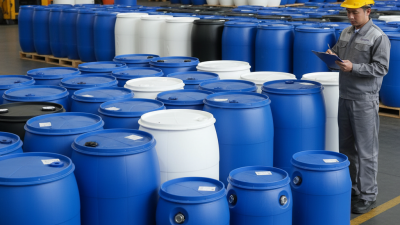
When it comes to packaging, HDPE drums stand out for various valid reasons. These robust containers serve diverse industries, ensuring safe storage and transport of goods. Crafted from high-density polyethylene, HDPE drums are known for their strength, durability, and impact resistance. They can withstand harsh conditions, making them ideal for both liquids and solids.
The versatility of HDPE drums is evident in their applications, ranging from chemicals to food products. Their resistance to corrosion and moisture further enhances their usability. Unlike some packaging options, HDPE drums are less likely to leak, reducing the risk of contamination. This makes them a reliable choice for businesses that prioritize safety.
However, not every packaging solution has its flaws. While HDPE drums are highly reliable, they may not be the most eco-friendly option available. It’s vital for companies to assess their environmental impact and explore recycling possibilities. Despite these considerations, the effectiveness of HDPE drums in ensuring product integrity remains undeniable.
Benefits of Using HDPE Drums in Various Industries
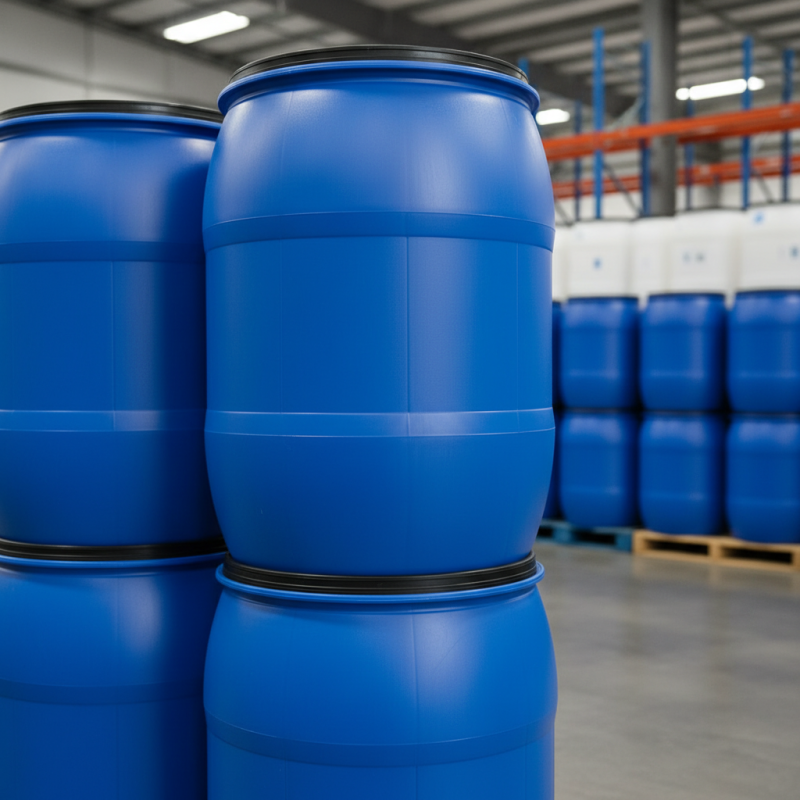
HDPE drums are gaining popularity across various industries due to their versatility and strength. These drums are made from high-density polyethylene, a material known for its durability. Unlike metal or glass, HDPE drums are resistant to corrosion and chemicals, making them suitable for a wide range of applications. They can hold liquids, powders, and granules securely, ensuring minimal leakage.
In the food and beverage sector, HDPE drums provide an excellent option for packaging. They are lightweight, which reduces transportation costs. Moreover, they do not impart any harmful chemicals to the products they carry. This is crucial for maintaining product safety and quality. Other industries, such as pharmaceuticals, also benefit from HDPE drums. Their robust design ensures that sensitive materials remain intact during storage and transport.
However, it's important to consider some downsides. While HDPE drums are recyclable, not all facilities have the capability to process them. This leads to potential waste issues if not managed properly. Additionally, the resistance of HDPE to certain solvents can vary, and testing is often necessary. Each application may require careful evaluation to ensure that HDPE is the best material choice.
Comparative Analysis: HDPE Drums vs. Other Packaging Materials
When comparing HDPE drums to other packaging materials, several factors come into play.
HDPE, or high-density polyethylene, is known for its durability and resistance to various chemicals. According to a report by PlasticsEurope, HDPE can withstand temperatures up to 120°C without degrading. In contrast, materials like glass or metal may corrode or break more easily under extreme conditions. This makes HDPE a strong contender for storage and transport of sensitive goods.
Another significant aspect is cost-effectiveness. Studies show that HDPE drums can be 30% lighter than metal options, leading to reduced shipping costs. Additionally, HDPE drums often have a longer lifespan, decreasing the frequency of replacements. Despite these advantages, some may argue that HDPE does not provide the same premium feel that glass or metal does. However, practicality often outweighs aesthetics in industrial settings.
Tip: When selecting packaging material, consider the nature of your product and the shipping conditions. Always evaluate the total cost of ownership over just the initial purchase price. This ensures long-term profitability and reduces environmental impact.
Durability and Resistance: Why HDPE Drums Stand Out
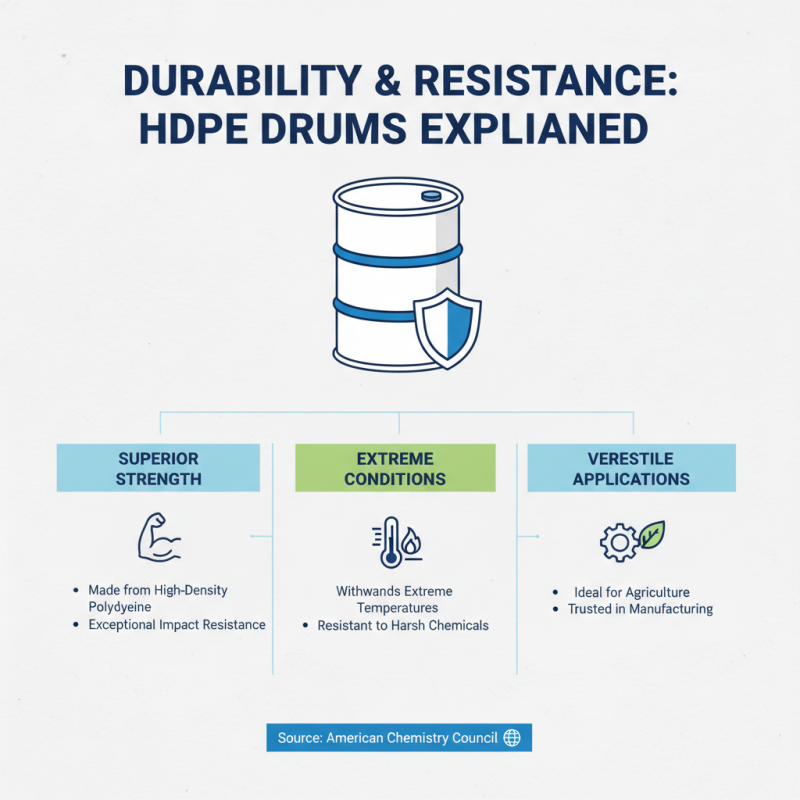
HDPE drums are increasingly favored for their exceptional durability and resistance. They are made from high-density polyethylene, which offers superior strength. According to the American Chemistry Council, HDPE can withstand extreme temperatures and harsh chemicals. This resilience makes it ideal for various industries, from agriculture to manufacturing.
Many companies prefer HDPE drums because they are lightweight yet robust. This combination aids in reducing shipping costs while ensuring the safe transport of goods. Reports indicate that HDPE drums can last five to ten years longer than traditional materials, such as steel or fiber. This longevity translates into reduced frequency of replacements, leading to significant cost savings over time.
However, it's important to consider potential limitations. While HDPE is resistant to water and UV rays, prolonged exposure to certain chemicals may lead to degradation. Businesses must evaluate compatibility carefully. Also, recycling options for HDPE are growing, but they are not universal. Understanding these nuances is vital for making informed packaging decisions.
Eco-Friendly Aspects of HDPE Drums in Packaging Solutions
HDPE drums are increasingly popular due to their eco-friendly features. Made from recyclable materials, these drums support sustainability in packaging. Their durability reduces waste and minimizes the need for frequent replacements. HDPE is a high-density polyethylene, known for its resistance to chemicals and corrosion. This makes it an excellent choice for various products. But remember, while they are robust, not every drum type offers the same environmental benefits.
When considering packaging, the life cycle of materials is crucial. HDPE drums can be reused several times before recycling. This extends their lifespan and lessens environmental impact. Many manufacturers ensure responsible sourcing, which adds to their eco-friendly reputation. Yet, it's essential to scrutinize the supply chain. Not all manufacturers adhere to sustainable practices. Consumers must assess and choose wisely.
Additionally, HDPE drums can have a smaller carbon footprint compared to other materials. They are lighter, leading to reduced transportation emissions. However, the production process still emits greenhouse gases. While better than some alternatives, it's not a perfect solution. Ongoing improvements are necessary to enhance their environmental credentials. Awareness and education about these aspects remain vital in making informed decisions.
Why Choose HDPE Drums for Your Packaging Needs?
| Aspect |
Details |
Eco-Friendly Benefits |
| Material |
High-Density Polyethylene (HDPE) |
Recyclable material, reducing landfill waste. |
| Durability |
Resistant to impact and punctures |
Long lifespan decreases frequent replacements. |
| Weight |
Lightweight yet strong |
Lower transportation emissions due to reduced weight. |
| Chemical Resistance |
Excellent resistance to a wide range of chemicals |
Safer storage of hazardous materials, reducing leaks. |
| Reusability |
Can be cleaned and reused multiple times |
Promotes a circular economy by extending product life. |
| Cost Efficiency |
Competitive pricing with long-term savings |
Reduces overall costs through efficiency. |
Cost-Effectiveness of HDPE Drums for Long-Term Use
HDPE drums offer a compelling choice for businesses looking to optimize their packaging solutions. They combine durability and lightweight design, making them easy to transport. When considering long-term costs, HDPE drums shine due to their resistance to chemical corrosion and environmental stress. This ensures a longer lifespan, reducing replacement frequency.
Investing in HDPE drums may initially seem more expensive than other options. However, their longevity often outweighs the upfront cost. Over time, businesses can save money by minimizing waste and repackaging efforts. Companies also find that these drums can be reused, further enhancing their cost-effectiveness.
While HDPE drums are effective, they do have limitations. Some users report challenges with extreme temperature fluctuations. Others worry about the potential for degradation over years of use. These factors should prompt careful consideration before making a choice. Balancing cost and reliability is essential for making the right packaging decision.