How to Choose the Best IBC Water Tank for Your Needs?

Choosing the right IBC water tank is crucial for various needs. Expert John Smith, a leading figure in the IBC water tank industry, once stated, "Selecting the right tank can save time and resources." His insight emphasizes the importance of making informed decisions.

IBC water tanks offer versatility for both residential and commercial applications. They are durable and can store large volumes of liquid safely. However, not all tanks are created equal. Factors such as capacity, material, and intended use must be considered. A common mistake is to overlook specific requirements, which can hinder effectiveness.

Understanding these factors is key. Take time to assess your needs. Selecting the wrong IBC water tank may lead to inefficiencies. It is essential to weigh options carefully and reflect on what truly fits your situation. Be aware of both your immediate needs and long-term goals when making this decision.

How to Choose the Best IBC Water Tank for Your Needs?

Understanding IBC Water Tanks and Their Uses

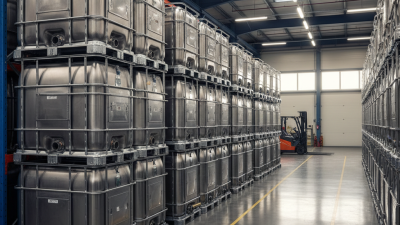
IBC water tanks, or Intermediate Bulk Containers, are versatile solutions for various water storage needs. They come in different sizes, typically ranging from 275 to 330 gallons. These durable containers are usually constructed from high-density polyethylene, making them resistant to UV rays and chemicals. Their cubic shape makes stacking and transporting simple, ideal for both commercial and residential use.

Understanding the applications of IBC water tanks is crucial. They can be used for rainwater harvesting, aquaponics, or as a source of water for irrigation. Many people utilize them to store non-potable water for various uses. However, caution is needed when considering storage content. Improper use may lead to contamination issues. Regular cleaning is essential to maintain water quality.

When selecting an IBC water tank, consider location and specific uses. The right tank can improve efficiency. However, factors like sunlight exposure and environmental conditions can impact performance. Take the time to assess your needs carefully. Each situation is unique, and understanding these nuances helps ensure that your choice will be effective long-term.

IBC Water Tank Capacity Comparison

Key Factors to Consider When Choosing an IBC Water Tank

When selecting an IBC (Intermediate Bulk Container) water tank, understanding key factors is crucial. One primary consideration is the tank material. Most IBC tanks are made from high-density polyethylene (HDPE), known for its durability and resistance to UV radiation. According to industry statistics, over 70% of users prefer HDPE for its longevity in outdoor settings. However, it's essential to consider the environmental impact of the materials used, as not all tanks are eco-friendly.

Capacity is another significant factor. IBC tanks typically range from 330 to 1,000 liters. Based on market research, the 1,000-liter tank is the most popular choice, catering to both residential and commercial needs. Evaluate your water requirements carefully. An inappropriate size could lead to insufficient water supply or excess costs.

Additionally, inspect the design features. Some tanks come with specific fittings for better drainage and filling. Studies show that tanks with easy access fittings improve usability by nearly 40%. However, a more complex design might complicate maintenance. Assess these features based on your specific needs. You may find that the right tank isn't just about size or material, but about how it fits into your lifestyle. Aim for balance between practicality and sustainability.

Comparing Different IBC Tank Sizes and Capacities

Choosing the right IBC water tank involves understanding different sizes and capacities. IBC tanks typically range from 275 to 330 gallons. This difference matters significantly based on your needs. Smaller designs are easier to move and fit in tighter spaces. However, larger tanks may offer better efficiency for high-demand tasks, like agriculture.

When you think about capacity, consider how often you will use the tank. A larger tank means less frequent refilling, but it also requires more space. Depending on your available area, a smaller tank might be preferable. Additionally, account for the weight when filled. A full tank can be quite heavy, potentially causing issues with placement and support structures.

Reflecting on your specific situation helps to narrow down options. You might have specific capacity needs, but also the restrictions of your location. Are you storing rainwater, chemicals, or simply using it for irrigation? Each use may demand different features. Be clear about these requirements to avoid unexpected challenges.

Material Durability and Compatibility with Various Liquids

When selecting an IBC water tank, the material's durability is crucial. Most tanks are made from polyethylene or steel. Polyethylene tanks resist rust and corrosion, making them ideal for water storage. Reports indicate that tanks made from high-density polyethylene (HDPE) can withstand temperatures up to 120°F. Steel tanks, while strong, may succumb to rust over time if not properly coated.

Compatibility with various liquids is another important factor. Many IBC tanks can store liquids like fertilizers and certain chemicals. However, the tank's material must be compatible with the liquid to avoid degradation. For instance, a study by the American Society of Agricultural and Biological Engineers highlights that harsh chemicals can degrade polyethylene over time, potentially leading to leaks. Thus, knowing the chemical properties of the liquid is essential for safe storage.

It’s also vital to consider the tank's lifespan. Polyethylene tanks typically last 10-30 years, while steel tanks vary based on maintenance. Regular inspections for signs of wear can help prolong the life of the tank. Selecting the right material involves understanding both your storage needs and the characteristics of the liquids involved. Balancing these elements can prevent costly mistakes and enhance safety in storage practices.

Budgeting and Cost Considerations for IBC Water Tanks

When considering the purchase of an IBC water tank, budgeting and cost are critical aspects. Understanding your budget can help narrow down the options. IBC tanks come in various sizes, materials, and features. Prices can greatly vary based on these factors. Typically, a standard size tank can range from a few hundred to several thousand dollars. Think about the capacity you need and how often the tank will be used.

Maintenance costs are also important. Regular checks and cleaning are essential to ensure longevity. Keep in mind that some tanks may require additional accessories, like pumps or filtration systems, which can elevate overall expenses. Always factor in these hidden costs when planning your budget.

When exploring options, consider buying second-hand tanks. They can offer substantial savings. However, inspect them thoroughly for any damage or cleanliness issues. Sometimes, spending less can lead to more significant future expenses if you encounter problems. Weigh the pros and cons carefully. Make a list of your needs and set a clear budget to guide your decision-making process. This way, you can find a reliable IBC tank that suits your financial and practical requirements.

Get in touch with us,
We will contact you shortly!

Get in touch with us by filling up the enquiry form. We will contact you shortly!

    What is the difference between Unline(Non-Epoxy Coated) or Lining(Epoxy Coated) Metal Drum?

    What are Unline(Non-Epoxy Coated) and Lining(Epoxy Coated) drums compatible with?

    What is the difference between Grade A and Grade B Metal Drum ?

    What content is suitable to fill in a Recon Grade A or Grade B Drum?

    What is the difference between Open Top and Close Top Drums and their usage?

    What type of content are Metal or Plastic Drums suitable for?

    Will there be any contamination in the reconditioned metal, plastic drums or IBC tanks?

    What is the drum gauge(thickness) and weight for reconditioned metal drums?

    Do you sell New Packaging Products too?

    What additional services do you provide apart from selling reconditioned and new containers.?

    Do you offer labelling and silkscreen on the containers ?

    Are you able to ship overseas ?

    Leading the Way
    to Carbon Neutrality

    Drumming sustainability into every aspect of our operations, we strive to create a greener and more conscious future for generations to come.
    Contact Us
    WhatsApp
    Email
    Join Our Newsletter

    Sign up for our newsletter for exclusive discounts and latest news of new launches!

      Logo Logo Logo Logo Logo
      Scroll to Top