Why Choose an Intensive Mixer for Your Manufacturing Needs?
In the dynamic world of manufacturing, efficiency and precision are paramount. An Intensive mixer stands out as a crucial tool for various industries. Its ability to blend materials quickly and thoroughly can significantly enhance production processes. This mixer not only improves consistency but also reduces processing time.
Choosing the right equipment can be overwhelming. Many businesses consider factors such as speed, capacity, and energy consumption. An intensive mixer meets these needs by offering powerful performances tailored to specific applications. Companies can achieve optimal results by investing in this advanced mixing technology.
However, before making a decision, it’s vital to assess individual requirements. Each manufacturing setup is unique, and what works for one may not suit another. Reflecting on your specific needs will ensure that the chosen mixer serves your operational goals efficiently. Making informed choices leads to better production outcomes.
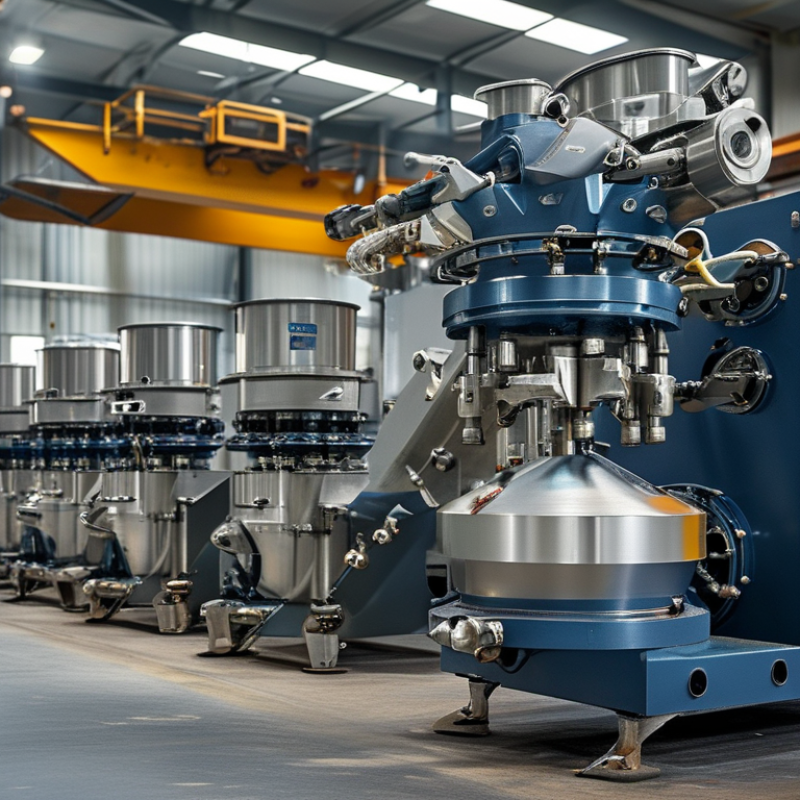
Benefits of Using an Intensive Mixer in Manufacturing Processes
Intensive mixers have gained popularity in manufacturing due to their efficiency and versatility. These machines are designed for mixing various materials, ensuring uniformity and consistency. This is crucial for industries such as food processing, plastics, and pharmaceuticals. The ability to mix large batches quickly can significantly speed up production times, making it an attractive choice for manufacturers looking to enhance output.
One key benefit of an intensive mixer is its energy efficiency. It can reduce the mixing time significantly compared to traditional mixers. This not only saves energy but also lowers operational costs. The precision in mixing provided by intensive mixers can lead to better product quality, which is vital in competitive markets. However, while they excel in performance, some operators may initially find them complex to use.
Another important aspect is the durability of these machines. Intensive mixers are built to withstand rigorous use. This means fewer breakdowns and less maintenance, which can be beneficial in the long run. Yet, this robustness can sometimes lead to overlooking necessary maintenance schedules. Regular checks are often neglected, which may affect performance. As with any equipment, balance is essential to maximize the advantages while being mindful of potential downsides.
Comparing Intensive Mixers to Other Mixing Equipment Solutions
When it comes to industrial mixing, choosing the right equipment is crucial. Intensive mixers stand out for their efficiency in blending materials. They are essential for producing uniform consistency, especially in industries like food, pharmaceuticals, and construction. With strong blades and robust construction, these mixers tackle even the toughest materials, delivering superior results.
Compared to other mixing solutions, intensive mixers provide a faster blending process. They work well with dry powders and liquids, creating homogeneous mixtures in a short time. Some might question whether they are worth the investment. However, their multipurpose capabilities often pay off in the long run. They can manage larger batches, reducing production time and minimizing waste.
Yet, not all facilities may require an intensive mixer. Smaller operations might find standard mixers adequate. Assessing specific production needs is vital. The choice should reflect whether your processes demand the precision and speed that intensive mixers offer. This consideration can lead to better resource allocation and more efficient manufacturing overall.
Key Features and Specifications to Consider in an Intensive Mixer
When selecting an intensive mixer for manufacturing needs, it’s crucial to consider essential features and specifications. An intensive mixer offers unique advantages, particularly in efficiency and uniformity. Look for a robust design that can handle various materials. The mixing action should be powerful yet gentle enough to preserve the integrity of sensitive components.
Adjustable speed settings are vital for achieving the perfect blend. This feature allows operators to tailor the mixing process to specific materials, ensuring consistency. Consider the quality of materials used in the mixer. A well-constructed mixer minimizes wear and tear, prolonging its lifespan.
Safety features are equally important. Look for mixers with built-in sensors and emergency shut-off options. These enhance operator safety and minimize the risk of accidents. While intensive mixers can significantly improve production, they also require proper training and maintenance. Regular checks are essential to identify potential issues. Ultimately, a thoughtful choice will enhance productivity while addressing real challenges in the manufacturing process.
Why Choose an Intensive Mixer for Your Manufacturing Needs?
| Feature | Specification |
| Mixing Capacity | 50 - 1000 liters |
| Motor Power | 5 - 50 HP |
| Mixing Speed | 0 - 300 RPM |
| Heating/Cooling Options | Jacketed mixing chamber available |
| Material Construction | Stainless Steel, Carbon Steel |
| Control System | PLC with Touch Screen Interface |
| Noise Level | Less than 85 dB |
| Safety Features | Emergency stop buttons, safety guards |
Applications of Intensive Mixers Across Various Industries
Intensive mixers play a crucial role in various industries, from food production to pharmaceuticals. In the food industry, these mixers ensure precise blending of ingredients, creating uniform textures and flavors. They are vital in baking where consistency is key. Mixing dough or batter thoroughly affects the final product's quality. However, some manufacturers struggle to find the right balance in mixing times, which can lead to unwanted results.
In the pharmaceutical sector, intensive mixers are essential for producing powdered medications. They ensure homogeneous distribution of active ingredients. This reliability contributes to effective dosing. But, achieving uniformity can be a challenge. Incorrect mixer settings may result in inconsistent products, ultimately affecting patient care. Companies must monitor their processes closely to maintain high standards.
Moreover, the chemical industry benefits from intensive mixers as they aid in creating diverse compounds. These mixers can handle varying viscosities and densities. Challenges arise when mixing materials with drastically different properties. Discrepancies in the end product can occur, leading to extensive quality control efforts. Continuous refinement of mixing techniques is necessary to perfect the process.
Applications of Intensive Mixers Across Various Industries
Cost Considerations and Long-Term Value of Intensive Mixers
When evaluating manufacturing equipment, cost considerations are crucial. An intensive mixer may have a higher upfront price. However, its long-term value often outweighs initial costs. This equipment ensures thorough mixing, reducing waste and improving product quality. The enhanced efficiency can lead to significant savings over time.
Investing in an intensive mixer may not always seem practical. Maintenance and operational costs must be factored in. However, a reliable mixer can drastically decrease production downtime. Manufacturers often find that the robust construction and superior design lead to fewer breakdowns. This aspect can yield better returns than expected.
Often overlooked, energy efficiency is another vital factor. Intensive mixers typically consume less energy per batch than other mixers. As production scales up, these savings compound. Additionally, workers can operate these machines more easily. Intuitive designs can enhance safety and productivity on the factory floor. The choice of an intensive mixer can thus be a pivotal decision for manufacturers seeking to balance cost and quality.