China Top 10 Plastic Drum Recycling Suppliers?

China’s plastic drum recycling sector is becoming more visible as manufacturers seek practical ways to reduce packaging waste. This guide examines ten potential Chinese suppliers and the capabilities behind their services. It focuses on more than attractive websites or impressive production photos.

The review considers drum materials, especially high-density polyethylene, collection coverage, washing systems, shredding lines, and pellet quality. It also examines whether suppliers can handle residue safely and document each processing stage. Certifications, factory experience, export support, response speed, and production consistency matter. So does transparency.

A clean drum is not automatically a recyclable drum.

Residual chemicals, damaged closures, labels, and mixed polymers can reduce recovery value. Reliable suppliers should explain inspection procedures, contamination controls, wastewater treatment, and final material applications. These details often reveal more than a polished sales presentation. They also help buyers compare quotations realistically.

Dr. Jenna Jambeck, a leading plastic-waste researcher, has stated, “There is no silver bullet to solving the plastic pollution problem.” Her warning applies directly to plastic drum recycling. Mechanical recycling can recover valuable material, but it cannot remove every operational challenge.

This list is therefore a starting point, not a final verdict. Supplier rankings can change with equipment upgrades, regional capacity, and verified customer performance. Some public information may remain incomplete. That weakness deserves attention.

The following comparison aims to identify China-based companies with credible recycling equipment, processing knowledge, and responsible operating practices. Buyers should still request recent audit records, sample pellets, compliance documents, and site evidence before making a decision.
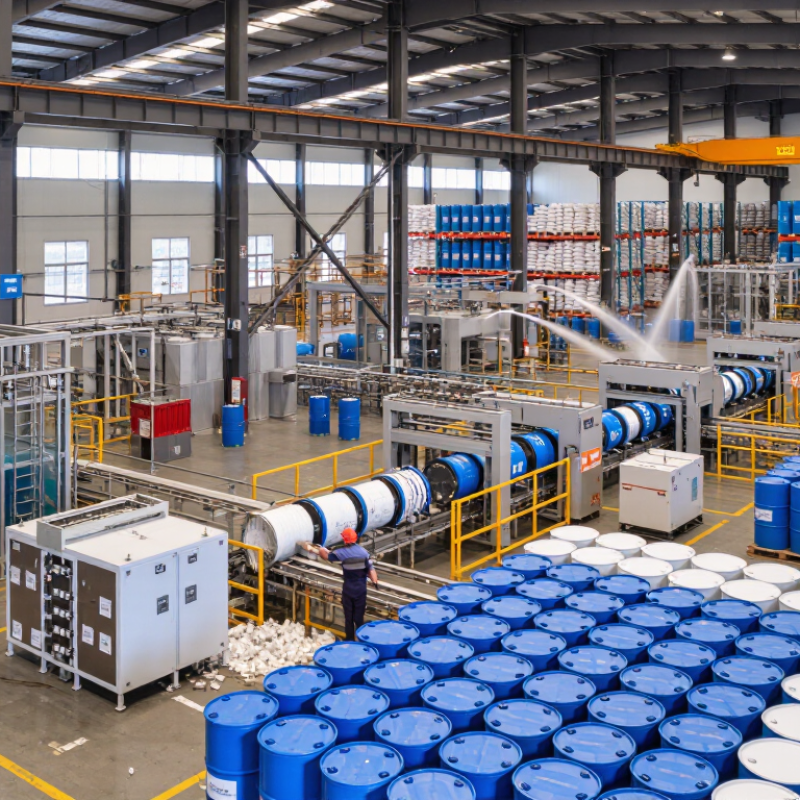
China Top 10 Plastic Drum Recycling Suppliers?

Understanding Plastic Drum Recycling in China

Understanding Plastic Drum Recycling in China

China’s plastic drum recycling sector depends on careful sorting, cleaning, and material testing. Most recyclable drums use high-density polyethylene, known for strength and chemical resistance. However, a clean-looking drum is not always suitable for processing. Residue, absorbed liquids, metal closures, and damaged walls can reduce its value. Qualified suppliers usually inspect incoming drums, record their source, and separate materials by resin type and color. The process may include draining, washing, shredding, drying, and pelletizing. Each stage affects the final recycled plastic.

Tips: Ask for clear inspection records and processing details. Check whether the supplier tests moisture, ash content, melt flow, and contamination. Request sample pellets before placing a large order. Confirm that wastewater and residues are handled through approved environmental procedures. Small details matter.

Reliable cooperation also requires traceability. A professional supplier should explain collection channels, processing capacity, quality controls, and delivery consistency. Recycled pellets may support new containers, pallets, pipes, or industrial products, depending on their tested properties. They may not match virgin material in every application. That limitation deserves honest discussion. In practice, some suppliers provide impressive samples but inconsistent later batches. Regular testing can expose this weakness early. Buyers should also review export documents, packaging protection, and response times when quality problems appear. Recycling is not simply a washing job. It is a controlled manufacturing process with environmental responsibilities.

Key Criteria for Evaluating Recycling Suppliers

China Top 10 Plastic Drum Recycling Suppliers? Key Criteria for Evaluating Recycling Suppliers

When comparing China’s top plastic drum recycling suppliers, inspect their process, not only their sales claims. Ask whether they sort drums by resin type, color, size, and previous use. A reliable supplier should explain cleaning, shredding, washing, drying, and pelletizing procedures clearly. Request recent test reports for moisture, ash, melt flow, and contamination levels. Traceability also matters. Each shipment should connect to production records and inspection results. During factory visits, check storage areas, drainage systems, weighing equipment, and worker safety practices. A bright showroom proves little. I once overlooked inconsistent labeling, and the problem appeared after delivery. That mistake was avoidable.

Tips: Compare at least three suppliers using the same checklist. Request samples from different production batches. Test them under your actual molding conditions. Confirm monthly capacity, minimum order quantities, lead times, packaging, and claims procedures. Ask how rejected material is handled through documented and lawful channels. Keep written records of every answer. Small gaps often reveal larger weaknesses.

Professional evaluation should include environmental and quality documentation. Look for permits, waste-handling records, management-system certificates, and evidence of regular audits. Do not treat certificates as permanent proof; verify their validity and scope. A supplier may offer excellent pellets but lack stable capacity during peak seasons. Another may provide strong capacity but weak communication. Pricing deserves scrutiny too. Very low prices can hide mixed materials, excessive moisture, or incomplete processing. A practical scorecard helps buyers compare evidence instead of promises. Still, no checklist is perfect. Review performance after each shipment and adjust the score when reality disagrees.

China’s Top 10 Plastic Drum Recycling Suppliers

China’s Top 10 Plastic Drum Recycling Suppliers are often evaluated by process control, material quality, and delivery reliability. A credible supplier should explain how drums are collected, inspected, cleaned, sorted, and processed. It should also separate HDPE from mixed plastics before reprocessing. This detail matters because one contaminated batch can reduce pellet strength and color consistency.

Experienced buyers should request factory photos, recent test reports, and production samples. Ask about monthly capacity, moisture control, and traceability records. Reliable suppliers usually provide clear specifications for recycled flakes, pellets, or reprocessed materials. They should also explain how rejected drums and wastewater are managed. Certifications can support trust, but they should never replace an on-site review. Some supplier rankings look impressive online. They may still lack useful technical evidence.

Tips: Compare at least three samples under the same testing conditions. Check melt flow, density, odor, and visible impurities. Confirm packaging strength before shipment. Keep communication in writing. A small trial order is safer than a large commitment. Mistakes happen, even with experienced factories. A careful buyer should leave room for inspection, correction, and honest discussion.

Recycling Services, Technologies, and Product Applications

China Top 10 Plastic Drum Recycling Suppliers?

China’s leading plastic drum recyclers increasingly combine collection, sorting, washing, and pelletizing services. Most process high-density polyethylene drums, using hot washing, metal separation, and melt filtration. The OECD’s Global Plastics Outlook reports that global plastic waste reached 353 million tonnes in 2019, while only 9% was recycled. This gap creates strong demand for reliable drum recovery systems.

Experienced suppliers should provide batch traceability, contamination testing, moisture control, and clear output specifications. Recycled HDPE pellets can support pallets, industrial bins, drainage components, protective barriers, and non-food packaging. However, dirty drums may contain labels, oils, or incompatible polymers. Cleaning is not a minor step. It decides whether the material becomes useful or downgraded scrap. Some suppliers also offer granulation and custom compounding for stronger applications. Results vary, and published capacity figures deserve verification.

Tips: Ask for recent test reports, not only product photos. Check washing-water treatment and residue handling. Request sample pellets before signing a long-term contract. ISO 15270 guidance can help buyers compare recovery methods and quality controls. For food-contact applications, separate regulatory validation is essential. A supplier may claim circular production, yet its transport distance, energy use, and rejected material rate still need review. The best shortlist combines technical evidence, stable supply, and honest limitations.

How to Select the Right Plastic Drum Recycling Supplier

China Top 10 Plastic Drum Recycling Suppliers: How to Select the Right Plastic Drum Recycling Supplier

Selecting a supplier requires more than comparing prices. The OECD Global Plastics Outlook reports that only 9% of global plastic waste was recycled in 2019. That figure makes traceability essential. Ask where rejected drums go, how materials are sorted, and whether recycling records are available. A reliable supplier should provide batch details, processing photographs, and clear answers about contamination.

Inspect the facility when possible. Look for covered storage, labeled areas, washing systems, shredders, and quality-control checkpoints. Recycled plastic should be tested for melt flow, density, moisture, and visible contamination. ISO 15270 offers guidance for recovering and recycling plastic waste. It can help buyers compare operating procedures, but a certificate alone proves little. Request recent test reports from an independent laboratory.

Check the supplier’s experience with your drum material, such as HDPE, composite layers, or chemical residue. Confirm collection capacity, monthly output, lead times, and packaging methods. Ask how they handle damaged or nonconforming material. Safety documentation and compliance with destination-country requirements are also necessary. A low quotation can still become expensive through unstable quality or delayed shipments. I may overvalue polished factory tours; written evidence deserves more attention. Start with a small trial order, measure the results, and keep the evaluation records.

Get in touch with us,
We will contact you shortly!

Get in touch with us by filling up the enquiry form. We will contact you shortly!

    What is the difference between Unline(Non-Epoxy Coated) or Lining(Epoxy Coated) Metal Drum?

    What are Unline(Non-Epoxy Coated) and Lining(Epoxy Coated) drums compatible with?

    What is the difference between Grade A and Grade B Metal Drum ?

    What content is suitable to fill in a Recon Grade A or Grade B Drum?

    What is the difference between Open Top and Close Top Drums and their usage?

    What type of content are Metal or Plastic Drums suitable for?

    Will there be any contamination in the reconditioned metal, plastic drums or IBC tanks?

    What is the drum gauge(thickness) and weight for reconditioned metal drums?

    Do you sell New Packaging Products too?

    What additional services do you provide apart from selling reconditioned and new containers.?

    Do you offer labelling and silkscreen on the containers ?

    Are you able to ship overseas ?

    Leading the Way
    to Carbon Neutrality

    Drumming sustainability into every aspect of our operations, we strive to create a greener and more conscious future for generations to come.
    Contact Us
    WhatsApp
    Email
    Join Our Newsletter

    Sign up for our newsletter for exclusive discounts and latest news of new launches!

      Logo Logo Logo Logo Logo
      Scroll to Top