
How to Buy Natural Alpha Arbutin Powder in 2026?

Buying Natural Alpha Arbutin Powder in 2026 requires more than comparing prices. The label may look simple, but the supply chain deserves careful attention. Natural Alpha Arbutin Powder should have a clearly identified botanical source, batch number, manufacturing date, and storage guidance. Responsible suppliers should provide a current certificate of analysis, preferably supported by independent laboratory testing. Review assay results, moisture content, microbial limits, heavy metals, and residual solvents. HPLC data can help confirm identity and purity.

A reliable purchasing decision also depends on the supplier’s experience. Look for manufacturers with documented quality systems, traceable raw materials, and consistent customer support. Ask whether the powder is intended for cosmetic formulation, research, or another permitted application. Specifications can differ significantly. A product suitable for a face serum may not meet every formulation requirement. Check the recommended concentration, solubility, packaging, and temperature limits before ordering. A sealed, light-protective container is a practical detail, especially for sensitive powdered ingredients.

No checklist is perfect. Supplier documents can be incomplete, outdated, or difficult to interpret. I have learned that a low price often hides missing information rather than genuine value. Independent verification may still be worthwhile for larger purchases. Buyers should also confirm applicable cosmetic regulations, labeling duties, and import requirements in their destination market. Avoid unsupported “chemical-free” or guaranteed-result claims. Skin outcomes vary, and product performance depends on the complete formula. This guide will explain how to compare Natural Alpha Arbutin Powder suppliers, assess evidence, and make a more informed purchase in 2026.
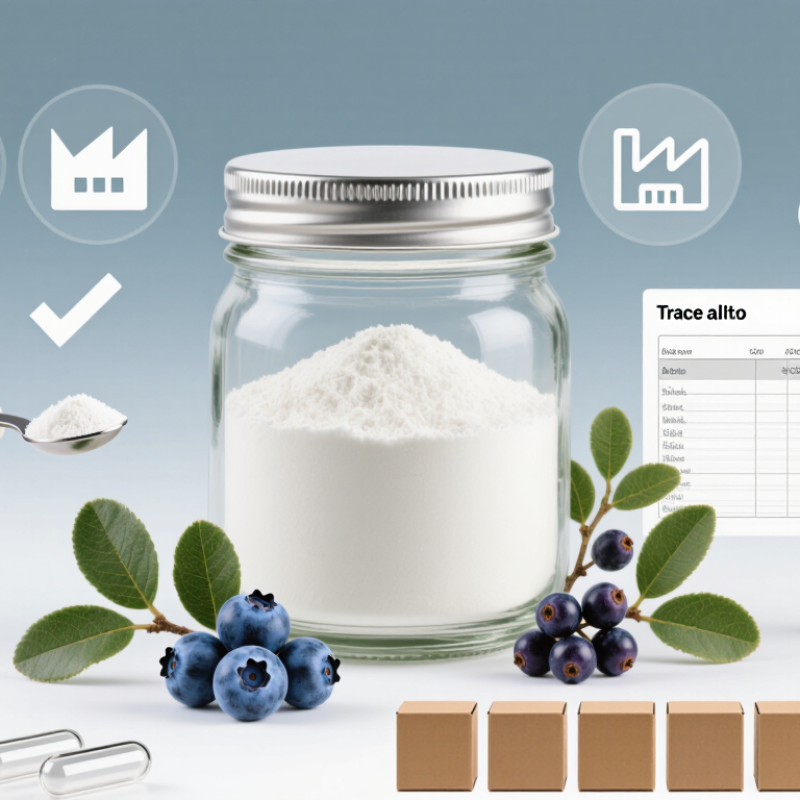
How to Buy Natural Alpha Arbutin Powder in 2026?

What Is Natural Alpha Arbutin Powder and How Is It Used?

Natural alpha arbutin powder is a skin-brightening ingredient derived from hydroquinone glycosides. In plants, it occurs naturally in bearberry and some pear leaves. However, commercial “natural” powder may use biotechnology instead of direct plant extraction. Check the origin statement carefully.

Alpha arbutin works by reducing tyrosinase activity, which can moderate excess melanin formation. It is commonly used in serums, creams, and spot-care formulas for uneven tone. The European Commission’s Scientific Committee on Consumer Safety assessed alpha-arbutin as safe up to 2% in facial products and 0.5% in body lotions. Higher is not automatically better.

The market remains active. Grand View Research valued the global skincare market at about USD 155.7 billion in 2022 and projected continued growth through 2030. This demand encourages more powder suppliers, but quality can vary sharply. When buying in 2026, request an HPLC assay, certificate of analysis, microbial results, heavy-metal testing, and residual-solvent data. Look for a fine, uniform white powder with controlled storage instructions. Moisture and heat can reduce stability.

Do not trust “natural” alone.

ISO 16128 can describe natural-origin content, but it does not replace safety testing. I would also compare batch numbers, manufacturing dates, and packaging seals.

A low price may reflect weaker testing, though price alone proves little. Formulators should perform compatibility and stability tests before consumer use.


How to Evaluate Purity, Authenticity, and Extraction Methods

How to Buy Natural Alpha Arbutin Powder in 2026?

Buying natural alpha arbutin powder requires more than checking a product photograph. Begin with the botanical source, plant part, and extraction route. A credible supplier should explain whether the material comes from plant-derived precursors or direct botanical extraction. “Natural” can mean different things, so ask for a written definition and supporting production records.

Purity should be confirmed with a current certificate of analysis for the exact batch. Look for HPLC testing, assay results, moisture, residual solvents, heavy metals, and microbial limits. The report should show test methods, laboratory details, dates, and batch numbers. A clean-looking powder proves little. It may be pale, but color is not an authenticity test. Request an independent sample analysis when the purchase is important.

Authenticity also depends on traceability. Check whether the supplier can connect the powder to raw-material records, extraction conditions, packaging, and storage controls. Poor heat or moisture protection may reduce stability before the package arrives. I would not rely on a generic certificate copied across several batches. That shortcut is tempting, but weak. Small inconsistencies matter. One practical check is to compare the sample’s appearance, odor, solubility, and test results with the technical specification. These checks cannot replace laboratory confirmation, yet they can reveal careless handling or unclear documentation. Extraction details are often overlooked, although they may explain purity differences and unwanted residues.

How to Buy Natural Alpha Arbutin Powder in 2026?

Evaluating purity, authenticity, and extraction evidence

How to interpret the chart: Alpha-arbutin and beta-arbutin have the same molecular formula, C12H16O7, and the same molar mass of 272.25 g/mol. Their glucose anomeric configuration is different, so the anomeric proton coupling constant in a proton NMR spectrum is a useful authenticity marker.

For purchasing decisions, request an HPLC or UPLC assay for purity, LC-MS confirmation for molecular identity, and proton NMR confirmation for the alpha configuration. Extraction documentation should identify the botanical source, plant part, extraction solvent, purification steps, and batch traceability. Extraction method alone cannot prove alpha-arbutin authenticity.

The NMR ranges are reference values for glucopyranose anomers and can vary with solvent, temperature, concentration, and instrument conditions. They should be evaluated together with chromatographic and mass-spectrometric data.

How to Choose a Reliable Alpha Arbutin Powder Supplier

How to Buy Natural Alpha Arbutin Powder in 2026?

A reliable alpha arbutin powder supplier should explain the material’s real origin. “Natural” may describe plant-derived feedstock or a biotechnology process, not the final molecule alone. Ask for a clear manufacturing statement. Do not accept vague botanical language. Request the specification sheet, recent certificate of analysis, and batch number before discussing large orders. The COA should show assay, appearance, water content, pH, heavy metals, and microbiological limits. HPLC results matter.

Look for traceability from raw material to finished powder. A serious supplier can provide production dates, storage conditions, retest periods, and transport guidance. Alpha arbutin can lose quality under heat, moisture, or strong light. Check whether the packaging includes a moisture barrier and tamper evidence. Ask for a small sample from the same production batch. Test its color, solubility, odor, and assay through an independent laboratory. Samples can be misleading.

Be careful with unusually low prices. They may reflect weaker testing or inconsistent purity. A supplier should answer technical questions without rushing you. Clear communication is evidence of competence. Confirm quality-system documents, export paperwork, and applicable cosmetic regulations for your market. Requirements differ by country, and a document valid in one region may not satisfy another. One common mistake is trusting polished certificates without verifying their dates and issuing laboratories. I would also record every email, result, and lot decision. Perfect purchasing rarely exists; documented doubts are safer than confident assumptions.

How to Check Testing, Certifications, Packaging, and Compliance

When buying natural alpha arbutin powder in 2026, ask for evidence, not botanical language. “Natural” may describe the starting material, not the complete manufacturing process. Request a batch-specific certificate of analysis, showing HPLC purity, FTIR identity, moisture, residual solvents, heavy metals, and microbiological limits. The test laboratory should provide accreditation details, method numbers, and the sample batch code.

Look closely at the paperwork. A polished COA can still hide gaps. I would compare the COA date, lot number, manufacturing date, and retest date. Independent testing is valuable, especially when the supplier only provides an internal report. The European Commission’s 2023 Safety Gate report recorded 3,412 alerts, with cosmetics accounting for 32%. That figure makes traceability and market-specific compliance practical concerns, not paperwork decoration.

Certifications need context. ISO 22716 supports cosmetic GMP practices, while ISO 9001 mainly addresses quality systems. Neither certificate proves alpha arbutin purity. Ask for the current SDS, allergen statement, origin declaration, and a compliance statement for the destination market. Check applicable cosmetic databases and concentration limits before formulation. Packaging should use sealed, food-contact-compatible inner bags inside an opaque, moisture-resistant drum. The label should show lot number, net weight, storage temperature, and expiry or retest date. I would reject damaged seals, unclear printing, or powder exposed to heat and light. Small omissions matter.

How to Buy Natural Alpha Arbutin Powder in 2026? — How to Check Testing, Certifications, Packaging, and Compliance

Due-Diligence Area What to Check Recommended Evidence or Test Practical Buyer Acceptance Point 2026 Compliance Note
Identity Confirm that the material is alpha-arbutin rather than beta-arbutin, hydroquinone, or an undeclared blend. HPLC identity and retention-time comparison with a qualified reference standard; FTIR or NMR may provide supporting confirmation. The specification should clearly state “alpha-arbutin,” CAS 84380-01-8, and the intended grade. Do not rely on the product name alone. The identity method and reference standard should be traceable.
Natural-origin claim Determine whether “natural” refers to the starting material, the manufacturing process, or the final ingredient. Request a signed origin statement, process description, raw-material records, supply-chain traceability, and any applicable natural-standard certificate. The claim must be specific, documented, and consistent with the destination market’s definition of natural cosmetics. “Natural” is not a single worldwide legal category. Avoid treating it as proof of organic certification or regulatory approval.
Assay and purity Check alpha-arbutin content, related substances, residual solvents, and degradation products. Lot-specific HPLC assay and related-substances report; use a validated or suitably verified method. Set a written specification before purchasing. A common commercial target is not a universal legal limit, so the supplier’s specification must be reviewed and approved. A certificate of analysis should identify the lot tested, test date, method, result, specification, and authorized approval.
Hydroquinone control Check for hydroquinone, which may be a degradation product or process-related impurity. A validated chromatographic method with a defined reporting limit and a separate hydroquinone result. Require a result below the agreed internal and destination-market limit; “not tested” is not acceptable for a sensitive cosmetic active. The finished cosmetic product, not only the raw powder, may require a separate safety and regulatory assessment.
Moisture and physical quality Review loss on drying or water content, appearance, color, odor, flowability, and agglomeration. Karl Fischer or validated loss-on-drying test, visual inspection, and—where relevant—particle-size or bulk-density testing. Use a documented range suitable for the formulation and packaging system; reject material with unexplained discoloration, caking, or foreign odor. Moisture limits should be linked to stability data rather than copied from an unrelated ingredient specification.
Microbiological quality Assess total microbial count and specified microorganisms appropriate to the intended cosmetic use. Laboratory microbiology report using applicable pharmacopeial or internationally recognized methods. Acceptance limits should be defined by product type, formulation, route of use, and destination-market requirements. A raw-material microbiology result does not replace preservative-efficacy or finished-product microbiological testing when required.
Heavy metals and elemental impurities Check lead, arsenic, mercury, cadmium, and other elements relevant to the source and process. ICP-MS or ICP-OES report from a competent laboratory, including units, detection limits, and preparation method. Set limits using the intended application and the laws of the countries where the finished product will be sold. A generic statement such as “heavy metals pass” is insufficient without individual results or a justified risk-based specification.
Residual solvents Identify solvents used during synthesis, purification, or crystallization. GC-based residual-solvent testing and a process declaration listing all solvents used. Results should comply with the buyer’s approved specification and applicable recognized solvent limits. “Solvent-free” should only be used when supported by process records and analytical testing.
Contaminants and adulteration Consider undeclared brighteners, fillers, substituted arbutin forms, pesticides, and process contaminants. Risk-based screening using HPLC/LC-MS, pesticide testing, and other targeted analyses justified by the supply chain. The testing panel should reflect the botanical source, production route, geographic origin, and intended exposure. Do not purchase solely on the basis of a single assay result or a supplier’s marketing declaration.
Supplier quality system Review manufacturing controls, change control, deviation handling, complaints, recalls, and batch traceability. Current GMP or quality-system certificate, recent audit report, quality agreement, and sample batch records where permitted. The certificate must name the audited site, scope, validity period, and applicable product category. A certificate for a trading office does not automatically prove that the manufacturing site is certified.
Certification review Check whether the requested certification is relevant to the claim and product use. Verify certificate number, issuing body, scope, site address, issue date, expiry date, and certification status directly where possible. Accept only certificates that cover the actual ingredient, facility, and activity being purchased. Organic, natural, vegan, non-GMO, halal, and kosher claims are separate claims and require separate evidence when used.
Packaging integrity Check protection from moisture, light, oxygen, contamination, and tampering. Review packaging specification, food/cosmetic-contact suitability where applicable, seal inspection, and transport simulation or stability evidence. Use a sealed primary container with a suitable moisture barrier, secure closure, and intact tamper-evident protection. Packaging must be compatible with the powder and the expected temperature and humidity during transport and storage.
Label and lot traceability Confirm ingredient name, lot number, net quantity, manufacturing date, retest or expiry date, storage conditions, and manufacturer or responsible party details. Compare the container label, packing list, invoice, and certificate of analysis. Every container should be traceable to one production lot and one approved specification. Do not accept relabeled or mixed lots unless the repacker’s controls and traceability have been documented.
Stability and storage Evaluate sensitivity to heat, humidity, light, and repeated opening. Request real-time or accelerated stability data, recommended storage conditions, and retest-period justification. Store in a tightly closed container in a cool, dry, light-protected area, following the approved supplier specification. Shelf life should be supported by stability data for the actual packaging configuration, not only by a generic declaration.
Regulatory documentation Determine whether the powder is intended for cosmetics, pharmaceuticals, food, or another regulated use. Request SDS, technical data sheet, specification, COA, allergen statement where relevant, and regulatory status statement for the destination market. Documents must match the exact grade, lot, intended use, and importing country. Ingredient legality and finished-product compliance are jurisdiction-specific; obtain a local regulatory review before commercial launch.
Pre-purchase sampling Confirm that the commercial lot matches the approved sample and documentation. Use a written sampling plan, retain a sealed reference sample, and perform identity plus critical quality tests on receipt. Release the shipment only after quality review, document verification, and resolution of discrepancies. For higher-risk or new suppliers, use independent laboratory confirmation before approving the first commercial batch.
Buyer note: Acceptance limits should be approved in a written specification based on the intended use, risk assessment, formulation, and destination-market requirements. Supplier certificates and test results should be verified for authenticity, scope, lot number, method, and date.

How to Compare Prices, Place an Order, and Store the Powder Properly

When buying natural alpha arbutin powder in 2026, compare more than the quoted price. Check purity, assay results, batch size, origin, and packaging details. A low price still makes me cautious. Ask for a current certificate of analysis, safety data sheet, and independent laboratory report. These documents should show identity, purity, moisture, heavy metals, and microbiological limits. Supplier experience also matters, especially when natural sourcing claims are difficult to verify.

Request a small sample before placing a larger order. Compare the sample’s color, texture, odor, and test results with the specification sheet. Confirm the minimum order quantity, production time, shipping cost, taxes, and payment terms in writing. The cheapest quotation may become expensive after freight charges. I have learned that unclear delivery terms create unnecessary delays. A written order should include the product name, required purity, batch documentation, quantity, delivery address, and acceptable replacement procedure.

Store the powder in a tightly sealed, light-resistant container. Keep it in a cool, dry room away from heat, sunlight, moisture, and strong odors. A desiccant pouch can help, but it must not touch the powder directly. Use a clean, dry scoop and close the container immediately after opening. Label each container with the batch number and opening date. Avoid bathroom storage. Humidity can quietly change the powder’s condition, even when it still looks normal. Recheck the material before use if storage conditions were uncertain.

Get in touch with us,
We will contact you shortly!

Get in touch with us by filling up the enquiry form. We will contact you shortly!

    What is the difference between Unline(Non-Epoxy Coated) or Lining(Epoxy Coated) Metal Drum?

    What are Unline(Non-Epoxy Coated) and Lining(Epoxy Coated) drums compatible with?

    What is the difference between Grade A and Grade B Metal Drum ?

    What content is suitable to fill in a Recon Grade A or Grade B Drum?

    What is the difference between Open Top and Close Top Drums and their usage?

    What type of content are Metal or Plastic Drums suitable for?

    Will there be any contamination in the reconditioned metal, plastic drums or IBC tanks?

    What is the drum gauge(thickness) and weight for reconditioned metal drums?

    Do you sell New Packaging Products too?

    What additional services do you provide apart from selling reconditioned and new containers.?

    Do you offer labelling and silkscreen on the containers ?

    Are you able to ship overseas ?

    Leading the Way
    to Carbon Neutrality

    Drumming sustainability into every aspect of our operations, we strive to create a greener and more conscious future for generations to come.
    Contact Us
    WhatsApp
    Email
    Join Our Newsletter

    Sign up for our newsletter for exclusive discounts and latest news of new launches!

      Logo Logo Logo Logo Logo
      Scroll to Top