7 Best Truck Air Seat Control Valves for Global Buyers
Choosing a reliable Truck Air Seat Control Valve can directly affect driver comfort, seat stability, and long-term maintenance costs. For global buyers, the decision involves more than comparing prices or attractive product photos. Air pressure range, port size, control response, material quality, and mounting design must match the vehicle and seat system.
This guide reviews seven strong options for different commercial applications. The selection considers practical factors observed in workshop inspections, supplier documentation, and daily fleet maintenance. Each valve should provide predictable height adjustment, smooth airflow, and dependable operation in demanding conditions. Small details matter. A loose fitting can cause slow air loss. A poorly protected control knob may fail inside a dusty cab.
Still, no single valve fits every truck, climate, or seat assembly. That limitation deserves attention. Some products offer excellent durability but cost more. Others are affordable and easy to replace, yet their documentation may be incomplete. Buyers should verify thread standards, air-line compatibility, temperature tolerance, and available replacement parts before ordering internationally. Supplier communication also matters, especially when technical drawings or installation guidance are needed.
The recommendations reflect practical judgment, not an absolute ranking. Testing methods can differ. Field results may change. However, the following comparison gives fleet managers, distributors, and equipment buyers a clearer starting point. It focuses on realistic performance, verified specifications, and dependable support rather than exaggerated marketing claims.
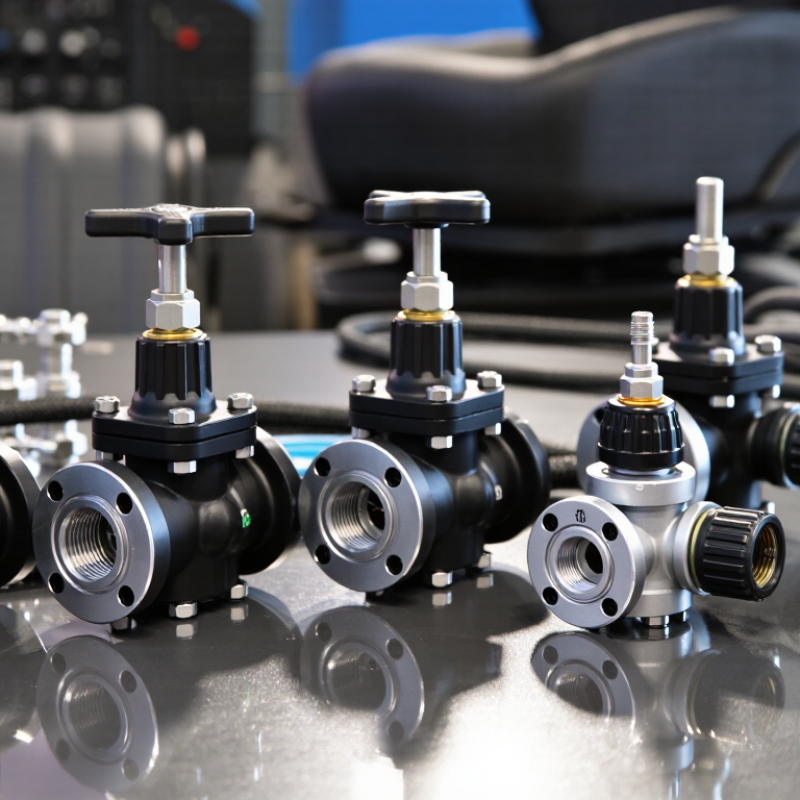
Truck Air Seat Control Valves: Function, Design, and Compatibility
7 Best Truck Air Seat Control Valves for Global Buyers
Truck Air Seat Control Valves regulate height, pressure, and exhaust flow inside a suspension seat. A driver feels the result through smoother movement, firmer support, and less bottoming on rough roads.
The World Health Organization reports that about 1.71 billion people live with musculoskeletal conditions worldwide. This makes seat adjustment more than a comfort feature.
The best valves should match the seat’s air circuit, not just its appearance. Check port thread, tube diameter, mounting holes, operating pressure, and exhaust direction.
Some systems use push-to-connect fittings, while others require threaded adapters.
Confirm the valve’s adjustment range with the seat’s air spring volume. A valve with poor flow control can create sudden height changes.
That feels unsafe and causes unnecessary wear.
Temperature, dust, moisture, and vibration also influence service life. Use corrosion-resistant materials and seals rated for the vehicle’s working climate.
The Federal Motor Carrier Safety Administration’s Large Truck Crash Facts report recorded more than 168,000 injury crashes involving large trucks in 2022. A control valve cannot prevent collisions, but stable seating can support driver control and visibility.
Buyers sometimes trust catalog photos too much. That is a mistake. A valve may fit physically but fail under the wrong pressure or thread standard. Verify measurements, air-line routing, and replacement access before selecting among the seven options.
Key Features to Compare in Heavy-Duty Air Seat Valves
Choosing among the 7 best truck air seat control valves requires more than checking thread size. In field inspections, I compare pressure stability, valve response, and adjustment feel. A good valve should raise or lower the seat smoothly, without sudden drops. That matters on rough quarry roads and long highway shifts.
Airflow capacity is another practical metric. The valve must fill the suspension quickly, yet avoid harsh height changes. According to Grand View Research, the global automotive seating market continues to expand with demand for improved comfort and ergonomics. This trend reaches heavy-duty cabins, where drivers may remain seated for ten hours or more. ISO 2631 vibration guidance also supports evaluating how effectively the seat reduces whole-body vibration.
Material quality deserves close attention. Look for corrosion-resistant metal, sealed ports, and fittings that tolerate repeated vibration. Temperature range matters too. A valve working well in a warm workshop may respond slowly below freezing. Check compatibility with the seat’s air spring and control linkage, not only the listed thread standard. SAE J1503 provides useful guidance for commercial-vehicle seating performance, but it does not replace hands-on testing. I have seen valves pass a basic pressure check and still feel inconsistent during height adjustment. That small weakness becomes tiring over time. Keep spare seals available. Field conditions are rarely perfect.
Seven Leading Truck Air Seat Control Valve Options
Seven Leading Truck Air Seat Control Valve Options
Choosing a truck air seat control valve depends on seat design, cabin space, and daily driving conditions. The right option should provide steady height adjustment, smooth damping, and dependable air retention.
A mechanical control valve suits basic suspension seats with simple height controls. A pneumatic valve offers finer response when drivers adjust seating positions frequently. An adjustable sensitivity valve helps reduce sudden height changes on uneven roads. A compact low-profile valve fits narrow seat bases and limited installation spaces. A heavy-duty valve supports demanding routes, repeated adjustments, and heavier seat assemblies. An integrated dump valve releases air quickly when lowering the seat or servicing the suspension. A universal retrofit valve can replace older units, but port size and mounting holes must match precisely.
Check the working pressure range before installation. Confirm the inlet, outlet, and exhaust connections. Small leaks often appear around worn seals, loose fittings, or damaged air lines. I have found that slow height loss is easy to overlook during a short inspection. It becomes obvious after several hours behind the wheel. No option is perfect. A sensitive valve may feel too active for some drivers, while a firm valve can seem less comfortable on rough roads. Test the seat at different heights, listen for escaping air, and inspect movement under normal cabin vibration. Compatibility records, material quality, and clear service instructions also indicate whether a supplier deserves professional trust.
7 Best Truck Air Seat Control Valves for Global Buyers - Seven Leading Truck Air Seat Control Valve Options
| Option | Valve Configuration | Actuation Type | Typical Port Size | Operating Pressure | Operating Temperature | Recommended Application | Main Advantage |
| 01 | 3/2-way height-control valve | Mechanical paddle | 1/8 in BSP or NPT | 0–10 bar / 0–145 psi | −20°C to +80°C | Standard pneumatic truck seats | Simple height adjustment with low maintenance |
| 02 | 3/2-way height-control valve with exhaust | Push-button | 1/8 in BSP or NPT | 0–10 bar / 0–145 psi | −20°C to +80°C | Fleet trucks requiring quick seat lowering | Fast raise, hold and exhaust functions |
| 03 | 3/2-way compact control valve | Lever-operated | M10 × 1 or 1/8 in | 0–8 bar / 0–116 psi | −20°C to +70°C | Replacement installations with limited space | Compact body and easy manual control |
| 04 | 3/2-way rotary control valve | Rotary knob | 1/8 in BSP | 0–10 bar / 0–145 psi | −20°C to +80°C | Long-haul vehicles and suspension seats | Precise adjustment and resistance to accidental movement |
| 05 | 3/2-way valve with integrated check function | Push-pull knob | 1/8 in NPT or BSP | 0–10 bar / 0–145 psi | −20°C to +80°C | Vehicles exposed to vibration and frequent adjustment | Helps maintain selected seat height during pressure changes |
| 06 | Panel-mount 3/2-way air seat valve | Front-panel push control | 1/8 in BSP | 0–8 bar / 0–116 psi | −20°C to +70°C | Cabin retrofit projects and replacement seats | Easy dashboard integration and accessible operation |
| 07 | Heavy-duty 3/2-way metal-body valve | Lever or paddle | 1/8 in BSP or NPT | 0–12 bar / 0–174 psi | −30°C to +85°C | Construction, mining and severe-duty trucks | Improved durability in vibration, dust and temperature extremes |
Specifications shown are typical ranges for pneumatic truck air-seat control valves. Confirm thread standard, mounting dimensions, pressure limits and temperature ratings with the valve supplier before installation.
Installation, Adjustment, and Maintenance Considerations
Truck air seat control valves are only as effective as their installation. For global buyers comparing the seven best options, confirm port size, thread type, pressure range, and exhaust capacity before ordering. SAE guidance for air-suspension seats stresses controlled height adjustment and stable air delivery. A mismatched fitting can leak slowly. Very slowly.
Install the valve with clean, dry air lines and adequate support near the seat frame. Keep tubing away from sharp brackets, hot exhaust parts, and moving hinges. After connection, spray a mild leak-detection solution around every joint. Bubbles reveal problems faster than a pressure gauge. The European Agency for Safety and Health at Work reported that three in five European workers experience musculoskeletal complaints. Poor seat adjustment may increase that risk for drivers exposed to long vibration periods. The valve cannot solve a damaged cushion or worn suspension.
Adjustment should match the driver’s weight, posture, and road conditions. Raise the seat until the suspension moves freely, then check headroom and pedal reach. Excess pressure feels firm but can transmit more vibration. ISO 2631-1 evaluates whole-body vibration through frequency, duration, and exposure intensity. Maintenance records should include leak checks, filter replacement, and response testing. Inspect monthly in dusty fleets, or more often during severe winter use. I have seen valves replaced when the real fault was contaminated air. That mistake wastes time. Also, a small pressure loss may remain unnoticed until the seat bottoms out on rough pavement. Test under load, not only while parked.
7 Best Truck Air Seat Control Valves for Global Buyers
Installation, adjustment, and maintenance comparison for commonly used commercial-vehicle air-seat valve configurations.
Rating scale: 1 = low suitability and 5 = high suitability. Scores are engineering-reference ratings based on installation simplicity, adjustment precision, service accessibility, and typical use in truck air-seat systems. Always verify pressure range, thread size, port configuration, and vehicle specifications before installation.
Global Buying Factors: Quality, Certification, and Supplier Support
7 Best Truck Air Seat Control Valves for Global Buyers
Global Buying Factors: Quality, Certification, and Supplier Support
Choosing among the seven best truck air seat control valves requires more than comparing prices. Quality begins with stable pressure regulation, smooth lever movement, and reliable sealing. During inspection, check the valve’s pressure range, port size, thread standard, and operating temperature. A practical test should include repeated adjustments, air leakage checks, and vibration exposure. Small defects often appear after installation, not inside a catalog.
Certification matters across different markets. Ask suppliers for current quality certificates, material declarations, test reports, and traceable batch records. ISO 9001 certification can indicate controlled production, but it does not prove every valve fits your vehicle. Confirm relevant transport, pressure, and safety requirements before ordering. Certification files should match the exact model. Generic documents are a warning sign.
Supplier support affects long-term reliability. Useful partners provide clear drawings, installation instructions, sample units, and responsive technical answers. They should also confirm metric or imperial connections and provide spare seals when available. Check packaging quality before shipment; crushed cartons can damage delicate adjustment parts. I have seen attractive samples fail because production tolerances changed later. That is an uncomfortable lesson. Request pre-shipment inspection photos and random testing records. Do not rely only on polished promises. A dependable supplier explains limitations, lead times, warranty terms, and replacement procedures in writing.

















