What Is the Best Corrugated Roll for 2026?
What Is the Best Corrugated Roll for 2026? The answer depends on production conditions, not marketing claims. A modern Corrugated Roll must maintain a precise flute profile, stable pressure, and reliable surface contact. It should perform during long runs, rapid speed changes, and humid shifts on the factory floor.
Christian Schindler, CEO of BHS Corrugated, offers a useful industry principle: “Consistent quality is the real measure of production performance.” That idea applies directly to roll selection. A high-quality roll should control runout, resist wear, and support even pressure across the sheet. Its surface finish matters, too. Small defects can leave visible marks on linerboard. Excessive pressure can crush flutes and increase paper waste.
The best option for 2026 may combine hardened steel, accurate grinding, and a carefully engineered crown. Ceramic or coated surfaces can improve durability in demanding applications. However, the “most advanced” roll is not always the best fit. Paper grade, flute type, machine speed, steam conditions, and maintenance habits all change the result. That part is easy to overlook.
Look closely at real production data. Check roll temperature, vibration, sheet caliper, and rejected board. Ask how the supplier verifies dimensional accuracy. Ask about service life, too. A cheaper roll may become expensive after repeated adjustments and unplanned replacement. I may be wrong about one universal answer. There probably is not one. The strongest Corrugated Roll is the one that delivers stable board quality, lower waste, and predictable performance in your exact plant.
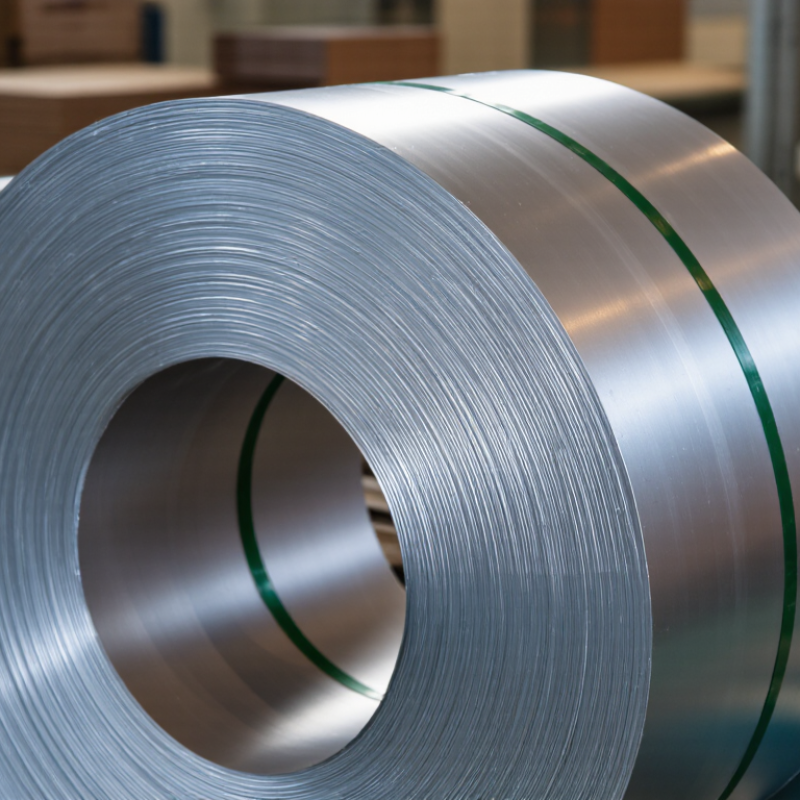
What Is a Corrugated Roll and How Does It Work?
A corrugated roll is a continuous sheet of protective cardboard wound around a core. It usually contains a fluted paper layer between one or two flat liners. The flutes create small air channels. These channels help absorb shocks, spread pressure, and reduce surface scratches during handling.
In practical use, the roll is pulled across a worktable and cut to the required length. The material can wrap furniture edges, glass panels, machinery parts, or irregular parcels. The flat liners face the product and the outside environment. The fluted center adds thickness without making the roll excessively heavy. A tighter flute can improve cushioning, while a wider flute may provide better flexibility. Selection requires care.
During packaging trials, I have found that thickness alone does not guarantee protection. A thick roll may crease poorly around sharp corners. A lighter roll may perform better when secured correctly. Moisture is another concern. Damp paper loses stiffness quickly, especially in cold storage areas. Testing should include stacking, corner impacts, and repeated movement. Measurements matter, but real handling often reveals weaknesses. I would also inspect recycled fibers, bonding quality, roll tension, and storage conditions. The best corrugated roll for 2026 is therefore not one universal product. It is the roll whose flute structure, paper strength, and flexibility match the load. Small details matter.
What Is the Best Corrugated Roll for 2026?
A corrugated roll is a continuous web made from a fluted paper medium bonded between one or more linerboards. The flute forms air channels that improve cushioning, stacking strength, and resistance to compression. The best profile depends on the required balance between protection, stiffness, thickness, and material efficiency.
The chart shows typical flute heights for common corrugated board profiles. A-flute generally provides greater cushioning and compression resistance, while B- and E-flutes offer thinner formats with better printability and space efficiency. C-flute is a widely used middle option for general-purpose packaging. Actual dimensions may vary by board standard and production specification.
Which Corrugated Roll Types Are Available for Different Applications?
What Is the Best Corrugated Roll for 2026?
Which Corrugated Roll Types Are Available for Different Applications?
Corrugated rolls vary by flute design, wall construction, and liner strength. Single-face rolls have one liner and one fluted medium. They suit glass wrapping, surface protection, and flexible void fill. Single-wall rolls offer a practical balance for cartons, inserts, and routine warehouse handling. Double-wall rolls provide stronger stacking resistance for appliances, machinery, and heavier shipments. Triple-wall rolls target very high loads, although their weight can increase transport costs.
Flute size changes performance. A-flute gives thicker cushioning, while B-flute improves puncture resistance and printability. C-flute remains a versatile choice for general packaging. E- and F-flutes create tighter surfaces for retail-ready packs and smaller protective components. It is not simply a thickness decision. A rough warehouse floor, sharp product edge, or humid route may change the best option.
The Smithers report, The Future of Corrugated Packaging to 2028, forecasts continued global growth in corrugated demand, driven partly by e-commerce and material efficiency. FEFCO’s European industry statistics also reported annual production above 50 billion square metres during the recent reporting period. These figures support wider roll selection, but they do not remove application testing. A lightweight roll may perform well in dry storage and fail after humidity exposure. That assumption needs checking. Trial samples, compression testing, and drop testing remain more reliable than specification sheets alone.
What Performance Factors Define the Best Corrugated Roll in 2026?
What Is the Best Corrugated Roll for 2026?
What Performance Factors Define the Best Corrugated Roll in 2026?
The best corrugated roll is not judged by appearance alone. Its performance begins with accurate flute geometry and a consistently polished surface. Small dimensional errors can create uneven pressure, weak board bonding, or visible crushing. In production, these problems often appear during speed changes, not during a short test run.
Roll stability matters just as much. Low runout supports steady nip pressure and cleaner flute formation. Balanced construction reduces vibration at high operating speeds. Heat resistance also deserves attention, especially during long shifts with repeated temperature changes. A reliable roll should maintain its profile instead of slowly drifting.
Material choice affects service life, but maintenance affects it too. Regular checks should measure wear, surface damage, bearing condition, and temperature. Digital monitoring can reveal unusual vibration before operators notice product defects. Still, data is not perfect. A sensor may miss contamination in a narrow groove, while an experienced operator may hear a change first.
Energy use is another practical factor for 2026. Efficient rolls can reduce unnecessary pressure, friction, and rejected sheets. However, lower energy claims need real production records, not marketing language. The most dependable evaluation compares output quality, downtime, maintenance frequency, and roll life under similar conditions. A roll that performs well for one flute profile may disappoint on another. Application fit remains essential.
How to Compare Materials, Durability, Cost, and Sustainability
What Is the Best Corrugated Roll for 2026?
How to Compare Materials, Durability, Cost, and Sustainability
Choosing the best corrugated roll starts with its intended job. A lightweight single-wall roll may protect glassware during short shipments. Heavier double-wall material suits machinery, sharp edges, and repeated handling. I have found that flute size affects cushioning more than many buyers expect. Larger flutes absorb impacts well, while finer flutes create smoother wrapping and cleaner folds.
Material quality requires more than checking recycled content. Compare liner strength, moisture resistance, burst performance, and edge crush resistance. A roll stored beside an open loading door can soften overnight. That detail matters. Ask for test results from recognized packaging laboratories, not only supplier claims. Durability also depends on winding tension. A loose roll may unwind unevenly and waste material during packing.
Cost should include labor, storage space, damage rates, and disposal fees. The cheapest roll can become expensive after one failed delivery. Still, premium material is not always necessary. This is where judgment gets uncomfortable. Some specifications look impressive but add no value for low-risk products. Sustainability needs similar care. Recycled fibers can reduce virgin material use, but excessive coatings may limit recycling. Check fiber sourcing, recycled percentage, local recovery options, and transport distance. A thinner roll can lower emissions, yet only if it still prevents product damage. That balance is difficult, and I would reassess it after real shipment data.