Top 10 Benefits of Using Steel Tanks for Storage Solutions?

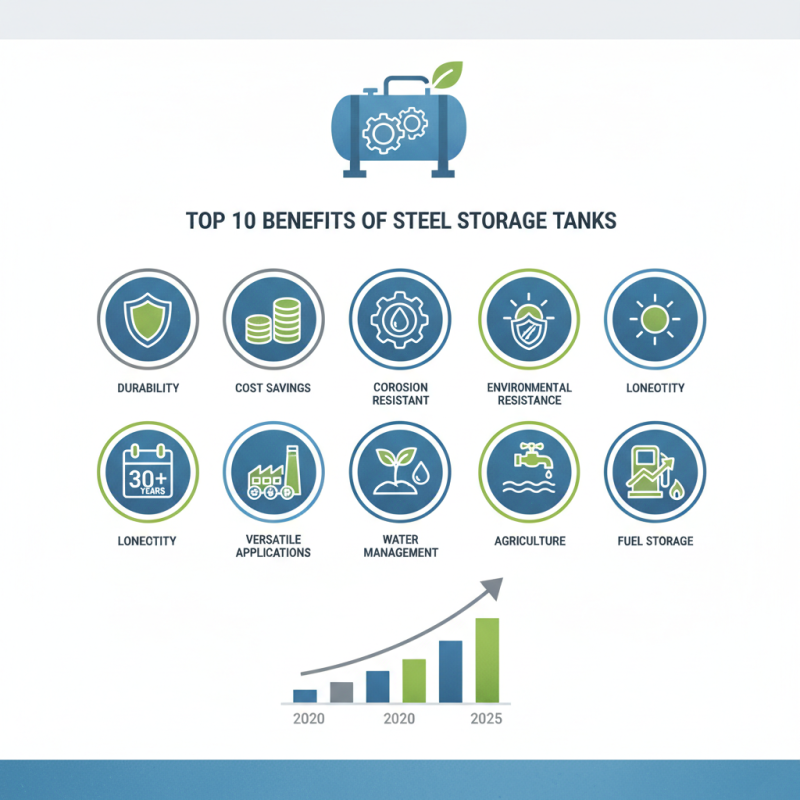
Steel tanks offer diverse solutions for various storage needs. They are employed in industries like agriculture, water management, and fuel storage. According to the Steel Tank Institute, the global market for steel storage tanks is expected to reach over $2 billion by 2025. This projection highlights a growing reliance on steel tanks.

The durability of steel tanks sets them apart. Unlike plastic or concrete, they withstand harsh conditions. They resist corrosion and environmental damage, ensuring longevity. A recent study indicates that steel tanks can last over 30 years with proper maintenance. This durability translates to significant cost savings over time.

However, not all steel tanks are created equal. Choosing the right specifications is critical. It is essential to select the right coating and thickness based on your needs. While steel tanks provide efficient storage solutions, they require careful consideration. Reflection on design and installation can help optimize their functionality.
Top 10 Benefits of Using Steel Tanks for Storage Solutions?

Advantages of Durability in Steel Tanks for Long-Term Storage
Top 10 Benefits of Using Steel Tanks for Storage Solutions?

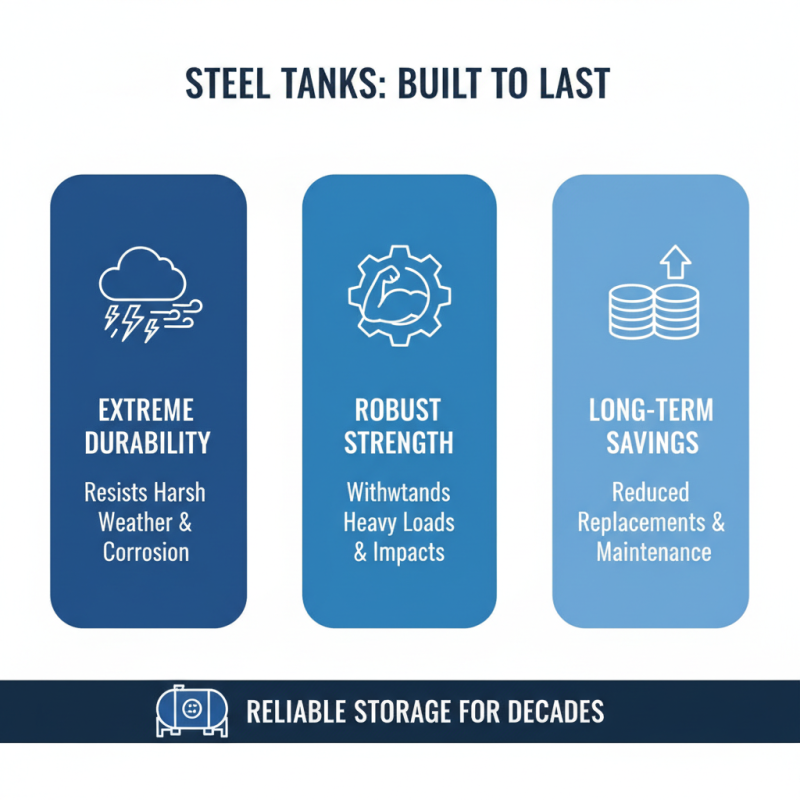
When it comes to long-term storage, durability is a crucial factor. Steel tanks offer remarkable strength and resilience. They withstand harsh weather conditions and resist corrosion effectively. This durability reduces the need for frequent replacements. Over time, this can save significant costs. The robust nature of steel ensures that tanks can handle heavy loads without buckling or breaking.

However, while steel tanks are tough, they are not infallible. Factors like rust or improper maintenance can affect their lifespan. Regular inspections are necessary to identify potential weaknesses. Choosing the right type of steel is also essential. Some grades perform better under specific conditions. This consideration may seem overwhelming, but it pays off in the long run. Investing time in proper selection and maintenance leads to reliable storage solutions.

Additionally, steel tanks are environmentally friendly. They can be recycled at the end of their life cycle, reducing waste. This sustainable aspect adds another layer of appeal. But the initial costs can be higher than alternatives. It's vital to weigh these factors carefully. Balancing upfront expenses with long-term benefits can be challenging.

Cost-Effectiveness of Steel Tanks Compared to Alternative Materials

When considering storage solutions, steel tanks stand out in terms of cost-effectiveness. Compared to materials like plastic or fiberglass, steel offers durability at a lower long-term expense. Initially, steel tanks may seem pricier, but their lifespan and resistance to damage contribute to savings over time. Unlike plastic, steel isn't prone to cracking in extreme temperatures. This makes it a reliable choice for various environments.

Another factor is maintenance. Steel tanks generally require less frequent maintenance than other materials. Though they may need protective coatings to prevent rust, these costs are infrequent. In contrast, plastic tanks often need replacement sooner due to wear and tear. For industries relying on constant storage, steel presents a wiser financial decision.

However, the upfront costs can be daunting. Some businesses might hesitate to invest in steel tanks. It’s crucial to weigh immediate costs against future savings. Analyzing long-term needs will illuminate the value of steel versus alternatives. Ultimately, weighing these aspects can lead to smarter financial choices while ensuring reliable storage for various applications.

Top 10 Benefits of Using Steel Tanks for Storage Solutions

Environmental Impact: Steel Tanks and Sustainability Benefits

Steel tanks have emerged as a leading solution in storage, particularly considering their environmental advantages. According to the Global Steel Innovations Forum, steel is highly recyclable, with approximately 85% of steel produced each year recycled. This significantly reduces waste and diminishes the need for new raw materials. The durability of steel means that these tanks can last for decades, often with minimal maintenance, thereby lessening environmental impact over time.

The ability to withstand harsh weather conditions makes steel tanks particularly appealing for various industries. For instance, they can effectively store chemicals, fuels, and water without leakage. Studies indicate that improper storage methods contribute to 40% of industrial waste. By using steel tanks, companies can mitigate potential spills and leaks. This aspect becomes even more crucial as businesses face increasing pressure to comply with environmental regulations.

Reflecting on the production side, the processes to create steel might still generate emissions. However, modern advancements have significantly cut down these numbers. Reports show that steel production has improved its energy efficiency by 25% over the last decade. Companies must continue to examine the trade-offs between production impacts and the long-term sustainability benefits of steel tanks. Ultimately, the choice to utilize steel systems entails balancing immediate ecological footprints with long-lasting, positive outcomes.

Versatility of Steel Tanks for Various Storage Needs

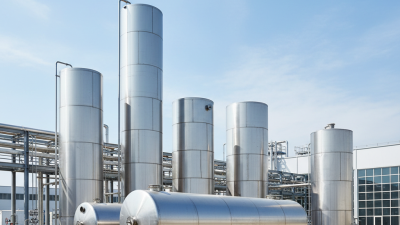
Steel tanks offer impressive versatility for various storage needs. They are commonly used in industries like agriculture, construction, and food processing. These tanks can store liquids, gases, and solids. Their durable design ensures that they can hold materials securely, reducing the risk of leaks or spills.

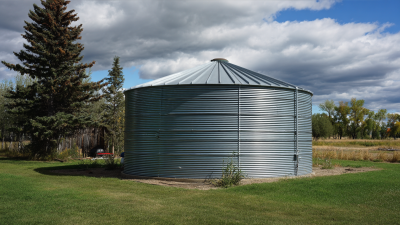
In agricultural settings, steel tanks often store water or fertilizers. They are resistant to corrosion and can withstand harsh weather conditions. For construction, these tanks are ideal for holding materials like sand or gravel. Their strength allows them to carry heavy loads without deformation. However, they can be heavy themselves, making installation a challenge.

Some users find it challenging to maintain these tanks. Regular inspections are necessary to prevent rust and wear. Additionally, securing the right size for specific needs can be complex. Steel tanks can be quite rigid, limiting flexibility in storage options. Nevertheless, their robust nature makes them a preferred choice for many industries.

Safety Features and Compliance in Steel Tank Solutions

When considering storage solutions, steel tanks stand out for their safety features and compliance. These tanks are robust and resistant. They can withstand harsh conditions and prevent leaks effectively. This durability is crucial for hazardous materials. It ensures containment and mitigates environmental risks.

Compliance with regulations is vital. Steel tanks often meet strict industry standards. They are designed to minimize the risk of spills and accidents. Regular inspections and maintenance help in ensuring safety. However, some facilities may neglect these practices. This oversight can lead to potential hazards. Proper training for staff is essential to enhance safety awareness.

Incorporating safety measures is not just about regulations. It also involves thoughtful design. Many steel tanks come equipped with secondary containment systems. These features provide extra security, preventing leaks. However, are these systems always effective? Regular assessments are needed to verify their functionality. It’s important to reflect on how improvements can be made to enhance compliance and safety continuously.

Top 10 Benefits of Using Steel Tanks for Storage Solutions

Benefit Description
Durability Steel tanks are highly resistant to impacts and weather conditions, ensuring long-term storage without degradation.
Safety Features They come with built-in safety features like pressure relief valves and leak detection systems.
Compliance Steel tanks are often designed to meet stringent industry regulations and safety standards.
Versatility They can be used for a variety of liquids, including water, chemicals, and fuels.
Cost-Effectiveness Steel tanks offer a long lifespan, reducing the overall cost of ownership over time.
Customizable They can be customized in size and design to meet specific storage needs.
Environmental Resistance Steel is resistant to corrosion, especially when properly coated, protecting contents from contamination.
Easy Maintenance Steel tanks require minimal maintenance, making them user-friendly for operators.
Fire Resistance Steel is non-combustible, offering enhanced safety for flammable materials.
Recyclable At the end of their life cycle, steel tanks can be recycled, contributing to sustainability efforts.

Get in touch with us,
We will contact you shortly!

Get in touch with us by filling up the enquiry form. We will contact you shortly!

    What is the difference between Unline(Non-Epoxy Coated) or Lining(Epoxy Coated) Metal Drum?

    What are Unline(Non-Epoxy Coated) and Lining(Epoxy Coated) drums compatible with?

    What is the difference between Grade A and Grade B Metal Drum ?

    What content is suitable to fill in a Recon Grade A or Grade B Drum?

    What is the difference between Open Top and Close Top Drums and their usage?

    What type of content are Metal or Plastic Drums suitable for?

    Will there be any contamination in the reconditioned metal, plastic drums or IBC tanks?

    What is the drum gauge(thickness) and weight for reconditioned metal drums?

    Do you sell New Packaging Products too?

    What additional services do you provide apart from selling reconditioned and new containers.?

    Do you offer labelling and silkscreen on the containers ?

    Are you able to ship overseas ?

    Leading the Way
    to Carbon Neutrality

    Drumming sustainability into every aspect of our operations, we strive to create a greener and more conscious future for generations to come.
    Contact Us
    WhatsApp
    Email
    Join Our Newsletter

    Sign up for our newsletter for exclusive discounts and latest news of new launches!

      Logo Logo Logo Logo Logo
      Scroll to Top