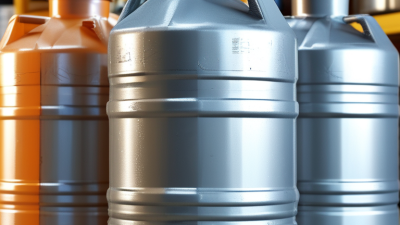
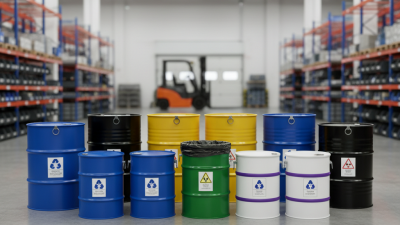
Top 10 Benefits of Using Plastic Drum Containers for Shipping
In the shipping industry, efficiency and safety are paramount. Experts like Dr. Emily Carter, a renowned authority on packaging solutions, emphasize the significance of choosing the right container. She states, "Using a plastic drum container minimizes risk and maximizes cost-effectiveness." This insight underscores the growing trend toward plastic drum containers for shipping.
Plastic drum containers offer numerous advantages. They are lightweight, reducing transportation costs. Their durability ensures that goods remain protected during transit. Unlike metal or glass, they are less prone to breaking. This is a critical factor when shipping fragile items. However, it is essential to consider proper handling to avoid issues like chemical leaching.
While many companies praise plastic drum containers, challenges exist. Over time, some industries face issues like environmental concerns and recycling. Finding solutions to these problems is crucial for sustainable practices. Despite this, the benefits of plastic drum containers remain compelling, making them a popular option among shippers.

Benefits of Plastic Drum Containers: An Overview of Their Efficiency
Plastic drum containers have revolutionized shipping due to their efficiency and reliability. These containers are lightweight yet sturdy, making them ideal for various industries. A significant benefit lies in their resistance to corrosion, which helps preserve the quality of the products inside. Unlike metal drums, they do not rust, ensuring that the contents remain uncontaminated over time. Their versatility also means they can hold a wide range of liquids and solids, expanding shipping options.
When opting for plastic drum containers, consider the importance of proper sealing. A well-sealed container can prevent leaks and spills during transport. Check the sealing mechanism before use to ensure it meets your needs. Additionally, be cautious about how you stack these drums. Overloading can lead to structural damage. Always adhere to recommended weight limits for safety.
Plastic drum containers can be recycled, adding an eco-friendly aspect to shipping. However, not all facilities accept them, so research local recycling options. Using these containers may seem straightforward, but it requires attention to detail. Reviewing handling and maintenance procedures can lead to improved efficiency in logistics. Keeping these tips in mind will enhance your shipping practices.
Durability and Resistance: How Plastic Drums Outperform Traditional Options
Plastic drum containers are increasingly favored in shipping due to their superior durability and resistance compared to traditional materials. According to the National Association for PET Container Resources, plastic drums can withstand extreme temperatures, ranging from -40°F to 130°F. This ability makes them ideal for transporting chemicals and hazardous materials. On average, plastic drums are 20% lighter than metal drums. This weight advantage translates to lower shipping costs and easier handling.
Additionally, plastic drums are resistant to corrosion and rust, ensuring that the contents remain uncontaminated. A study by the Environmental Protection Agency highlights that plastic materials can resist various chemicals better than metal counterparts. This is crucial for industries that rely on the integrity of their products, including food and pharmaceuticals. However, not all plastic drums are created equal; some may degrade under UV light exposure.
Considering these factors, businesses must evaluate their specific needs carefully. Choosing the right type of drum can impact both safety and compliance. While the benefits of plastic drums are significant, it’s essential to consider the potential limitations. Manufacturers should strive for transparency regarding the life cycle and environmental impact of their products to ensure informed purchasing decisions.
Cost-Effectiveness: Analyzing Savings in Transport and Handling
Plastic drum containers have become a popular choice for shipping goods due to their cost-effectiveness. According to a recent industry report, businesses can save up to 30% on transport costs when using these containers. Their lightweight design reduces shipping weight, leading to lower freight charges. Moreover, plastic drums are more durable than traditional options, minimizing damage and loss during transit.
Handling costs also see significant reductions. With a design that facilitates stacking and easier handling, these drums optimize warehouse space. This means organizations can move more product in less time. A study noted that effective use of plastic drum containers can cut handling time by 25%, which is crucial for businesses looking to enhance operational efficiency.
While the initial investment may seem higher compared to alternatives, the long-term savings are apparent. Additionally, their reusability contributes to sustainability goals, aligning with modern consumer demands. However, it's essential for companies to evaluate their specific needs, as not every situation may benefit equally from switching to plastic. Careful analysis of the unique operational context will yield the best financial outcome.
Versatility in Shipping: Plastic Drums for Various Industries and Liquids
Plastic drum containers are gaining traction across various industries due to their versatility in shipping. These containers are designed to hold different types of liquids and solids. According to the International Container Shipping Association, approximately 30% of industries now prefer plastic drums for their lightweight design and durability.
In the food and beverage sector, plastic drums are often used for transporting oils, syrups, and chemicals. They provide a high level of protection against contamination. A report from the FDA states that 95% of businesses using plastic drums for food storage noted a significant reduction in spoilage. This highlights their efficacy in safeguarding product integrity during transport.
Chemical industries also benefit from plastic drums. They are resistant to corrosion and can handle hazardous materials. The Environmental Protection Agency reports that 80% of chemical companies have switched to plastic drums for safer handling. However, some users pointed out that proper training in handling these materials is crucial. This reflects a need for continuous education to maximize safety and utility in various applications.
Top 10 Benefits of Using Plastic Drum Containers for Shipping
This chart illustrates the top benefits of utilizing plastic drum containers for shipping across various industries. The data reflects the advantages that make plastic drums a preferred choice for transporting liquids and materials.
Environmental Impact: Recycling and Sustainability of Plastic Drum Containers
Plastic drum containers play a significant role in sustainable shipping practices. The recycling of plastic drum containers is crucial for reducing waste. According to a 2021 report by the International Plastic Packaging Association, about 30% of plastic drums are recycled globally. This figure highlights the importance of developing effective recycling programs.
When recycled, these containers can be transformed into new products, minimizing the demand for virgin materials. This reduces energy consumption in manufacturing. Studies indicate that recycling plastics can save up to 66% of energy compared to using new raw materials. However, not all plastic drums are recyclable, and many end up in landfills. This poses environmental challenges that the industry must address.
Sustainability in shipping also involves designing more durable containers. This increases their lifespan, reducing the need for frequent replacements. Yet, some manufacturers overlook this vital aspect. A lack of standardization in recycling processes creates confusion, limiting overall efficiency. The journey toward a more circular economy requires continuous improvement and collaboration in the plastic drum industry.