2026 Top Trends in Metal IBC Tote Usage and Applications?

The metal IBC tote is emerging as a key player in various industries. Its versatile design allows for efficient storage and transportation. These containers are not just practical; they also address sustainability concerns. The trend toward eco-friendly materials is influencing their popularity.

In 2026, we expect to see innovative applications of metal IBC totes. Industries like food and beverage, chemicals, and pharmaceuticals are leading the way. With the growing demand for safety and quality, these totes offer robust solutions. However, some companies have yet to fully embrace these options.

Investing in metal IBC totes may seem costly at first. Yet, the long-term benefits such as durability and reusability are significant. Companies might initially struggle with the transition, as old habits can be hard to change. Still, adapting to these trends is essential for remaining competitive. Embracing these changes can lead to greater efficiency and sustainability in operations.

2026 Top Trends in Metal IBC Tote Usage and Applications?

Emerging Technologies Influencing Metal IBC Tote Design in 2026

Emerging technologies are reshaping metal IBC (Intermediate Bulk Container) tote design in 2026. Advanced welding techniques enhance the strength and durability of these containers. According to a recent industry report, manufacturers adopting laser welding can improve structural integrity by up to 30%. This is critical for industries that need reliable transport and storage solutions.

In addition, smart technology integration is on the rise. Sensors to monitor temperature and pressure are becoming standard features. A report by the Global Packaging Industry predicts that by 2026, 40% of metal IBCs will incorporate IoT capabilities. These advancements allow for real-time tracking and monitoring. However, the cost of these technologies may pose a challenge for small manufacturers.

Sustainability also drives design changes. Metal IBCs are increasingly made from recycled materials, reducing environmental impact. Research from the Sustainability Packaging Coalition indicates that recycled metals can lower production energy usage by 20%. However, some may question the balance between performance and eco-friendliness. Finding this balance remains a challenge for the industry, requiring innovative solutions.
Key Industries Adopting Metal IBC Totes: Trends and Insights

Metal IBC totes are gaining traction across various industries. The rise in demand is fueled by their exceptional durability and versatility. Chemical manufacturing, food processing, and pharmaceuticals are leading the adoption. A recent industry report indicates that the use of metal IBC totes in the chemical sector alone is expected to grow by 12% annually through 2026. Such robust growth highlights the importance of these containers.

In food processing, safety is a top priority. Metal IBC totes are often preferred due to their hygienic properties. They resist contamination better than plastic alternatives. Insights show that 70% of food manufacturers plan to increase their usage of metal containers. This trend reflects a commitment to quality and safety in food supply chains.

Tips: Ensure proper maintenance of metal IBC totes. Regular inspections can prevent leaks and contamination. Consider investing in quality storage systems. They can enhance operational efficiency. It’s also essential to train staff on safety protocols related to metal containers. Poor handling can lead to significant issues in the workplace, which can be easily avoided with proper training.

Sustainability Practices Driving Metal IBC Tote Usage in 2026

2026 Top Trends in Metal IBC Tote Usage and Applications?

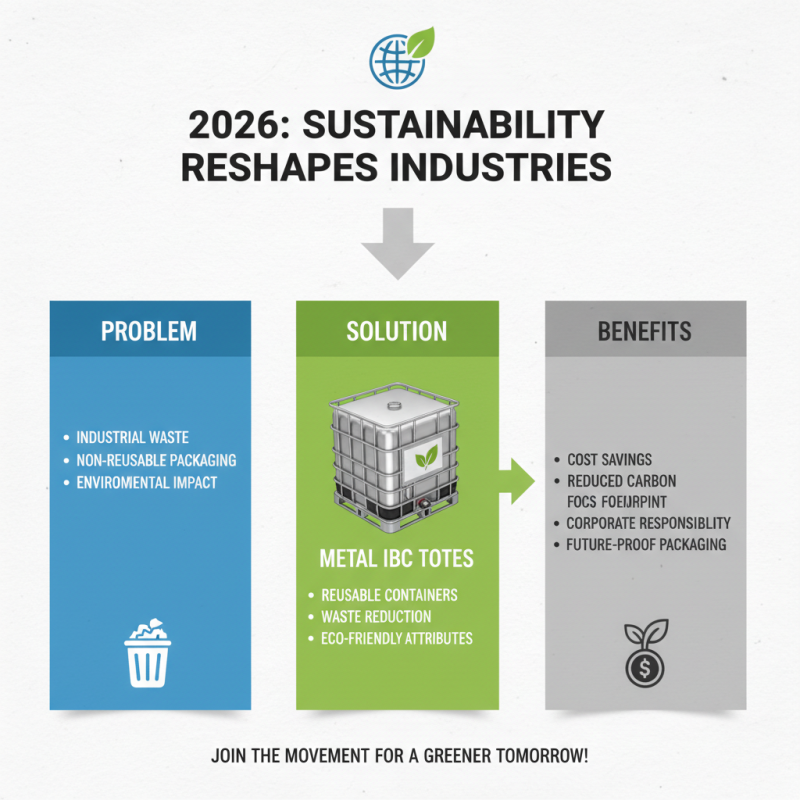
Sustainability practices are reshaping industries in 2026. Metal IBC totes are gaining popularity for their eco-friendly attributes. These reusable containers reduce waste significantly. Companies are increasingly recognizing the need for sustainable packaging solutions. Metal IBC totes fit this requirement perfectly.

These totes are long-lasting and can be recycled. Their durability ensures they withstand multiple uses over time. However, not all organizations have adopted these practices fully. Some still rely on single-use plastics, which are harmful to the environment. This inconsistency in adoption raises questions about commitment to sustainability.

Innovations in recycling processes are also enhancing the appeal of metal totes. Improved methods allow for easier recycling without substantial waste. Yet, there remains a trade-off; not all metal IBCs are equally recyclable. It is crucial for companies to be vigilant in their sourcing. Understanding material differences can impact overall sustainability goals.

Innovative Applications of Metal IBC Totes Across Various Sectors

Metal IBC totes have gained traction in various sectors. They are increasingly recognized for their durability and versatility. Industries such as food and beverage, chemicals, and pharmaceuticals utilize these totes for safe and efficient storage. The robust construction allows for repeated use, reducing waste and lowering costs.

In the food sector, these totes can store large quantities of ingredients. They maintain the quality and freshness of products, which is vital. The chemical industry benefits too; they provide secure containment for hazardous materials. However, improper handling can lead to leaks or contamination, raising concerns.

Pharmaceutical companies appreciate the reliability of metal IBC totes in transporting sensitive drugs. Still, there are questions about cleaning protocols between uses. Innovation in design can help address these issues. Enhancements like smart sensors could enable better tracking and monitoring of contents, making processes safer and more efficient.

2026 Trends in Metal IBC Tote Usage and Applications

Regulatory Changes Impacting Metal IBC Tote Standards and Compliance

Regulatory changes in metal IBC tote standards are reshaping how industries approach compliance. These changes affect various sectors, including chemicals and food processing. Manufacturers must adapt to new safety regulations and material specifications to avoid penalties. Understanding these regulations can be challenging, as they often vary by region.

New testing requirements have emerged. Companies must ensure their totes meet stricter guidelines. This means increased inspections and documentation. Additionally, some materials previously deemed acceptable may face restrictions. This shift demands that organizations invest resources to stay compliant.

Many businesses struggle with the updated standards. Adapting to new protocols can feel overwhelming. Companies may find themselves navigating complex regulations without adequate support. Fortunately, engaging with industry experts can provide clarity. Regular training sessions and workshops are crucial. They help teams understand compliance needs. This investment in education can lead to better safety outcomes and increased efficiency.

Get in touch with us,
We will contact you shortly!

Get in touch with us by filling up the enquiry form. We will contact you shortly!

    What is the difference between Unline(Non-Epoxy Coated) or Lining(Epoxy Coated) Metal Drum?

    What are Unline(Non-Epoxy Coated) and Lining(Epoxy Coated) drums compatible with?

    What is the difference between Grade A and Grade B Metal Drum ?

    What content is suitable to fill in a Recon Grade A or Grade B Drum?

    What is the difference between Open Top and Close Top Drums and their usage?

    What type of content are Metal or Plastic Drums suitable for?

    Will there be any contamination in the reconditioned metal, plastic drums or IBC tanks?

    What is the drum gauge(thickness) and weight for reconditioned metal drums?

    Do you sell New Packaging Products too?

    What additional services do you provide apart from selling reconditioned and new containers.?

    Do you offer labelling and silkscreen on the containers ?

    Are you able to ship overseas ?

    Leading the Way
    to Carbon Neutrality

    Drumming sustainability into every aspect of our operations, we strive to create a greener and more conscious future for generations to come.
    Contact Us
    WhatsApp
    Email
    Join Our Newsletter

    Sign up for our newsletter for exclusive discounts and latest news of new launches!

      Logo Logo Logo Logo Logo
      Scroll to Top